
Gasoline shortage emerges in Iran: queues form at gas stations
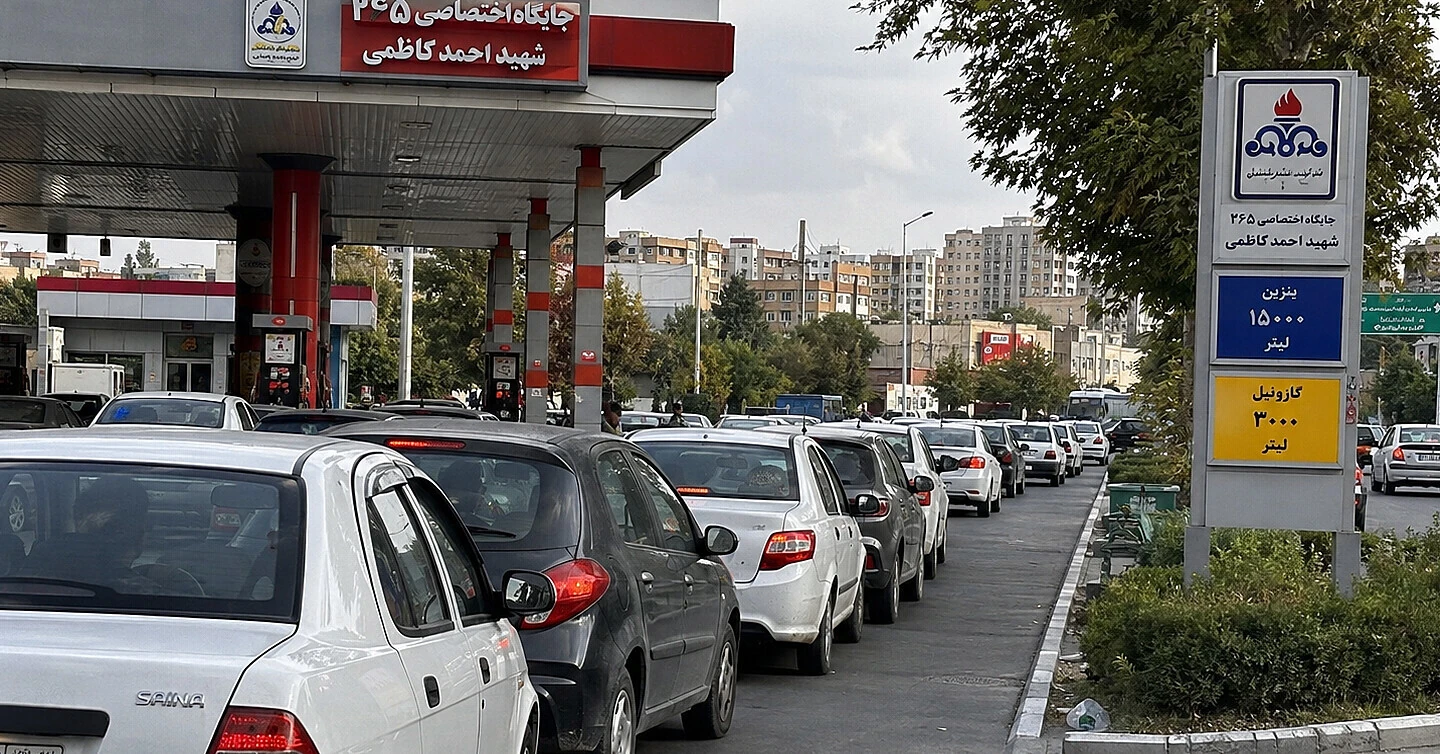
Iran's gasoline shortage has worsened: some gas stations in Tehran have run out of fuel, while operating stations have queues. Authorities estimate the gasoline shortfall at about 14–15 million liters per day and are discussing new restrictions on its sale.
According to Bloomberg, the fuel problems are intensifying amid American pressure on Iran and import difficulties. Tehran residents reported that some stations closed after running out of supplies, while waiting in line at others reached up to an hour.
The head of Iran's Energy Efficiency Organization, Esmaeil Saqeb Esfahani, said the country consumes about 135 million liters of gasoline per day, while domestic production cannot fully cover this demand. The current shortage is estimated at about 14–15 million liters daily.
Previously, Iran compensated for the gap between production and consumption through imports and strategic reserves. However, the ability to purchase fuel abroad has significantly decreased. The spokesperson of the Iranian parliament's energy committee, Reza Sepahvand, said that gasoline imports have effectively stopped because of the American naval blockade.
Additional pressure comes from limited access to foreign currency and problems with external supply routes. According to Iranian officials' estimates, stable coverage of current demand requires importing at least 15 million liters of gasoline per day.
Amid the shortage, authorities are considering several options to change the fuel sales system. One involves limiting the total volume of gasoline delivered to stations. Another maintains the subsidized quota with above-quota fuel sold at a higher price. A transition from per-vehicle quotas to personal limits for citizens is also being discussed. No final decision has been made yet.
The issue of gasoline prices remains especially sensitive for Tehran. Iranian parliament representatives warn that a sharp rise in fuel prices in the current economic situation could cause serious public discontent. In previous years, gasoline price increases have already caused mass protests in the country.
The fuel shortage is developing alongside the deterioration of Iran's oil exports. Oil shipments to Asia have nearly halted in recent weeks, and the volumes available to buyers have sharply decreased. Iranian oil, traditionally sold at a discount, is now offered at about $4 per barrel more than global benchmark grades.
Based on: Bloomberg, Iran International, Al Jazeera
