
Russia introduced a mechanism for temporary state administration of the property of companies that do not ensure the security of critical infrastructure facilities. One of the grounds may be a finding that measures to protect against drone attacks are ineffective.
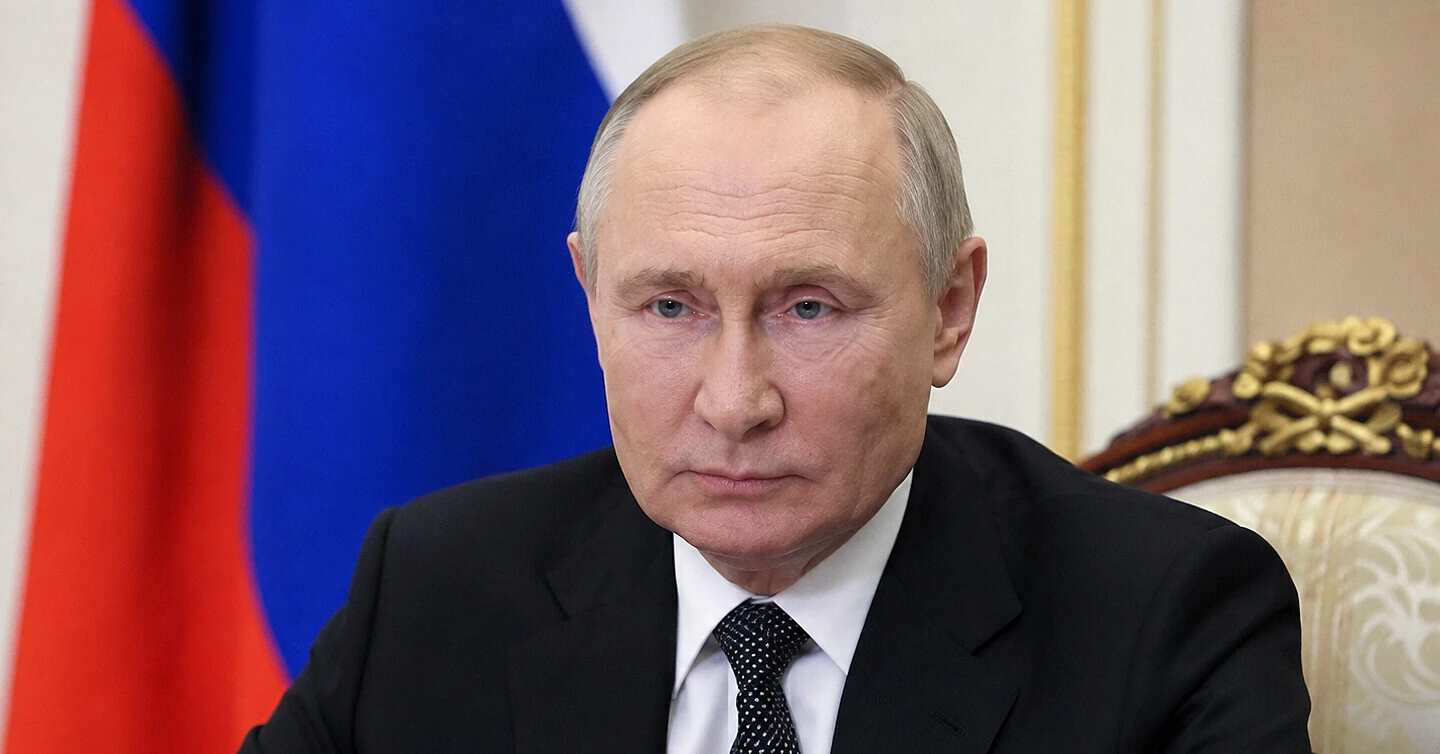
Decree No. 604 was signed on August 24 by Russian President Vladimir Putin. The document came into force on the day of its official publication.
Under the decree, temporary administration may be imposed if a company has not taken the necessary security measures or did so belatedly, violated established requirements, created a threat to the normal operation of critical infrastructure, or failed to restore a damaged facility within the required timeframes.
The document separately mentions the situation where the authorities determine that measures directly aimed at preventing attacks using unmanned aerial vehicles are ineffective.
In such circumstances, temporary administration may cover not only the directly attacked facility. The mechanism is allowed to extend to all or part of the movable and immovable property of the company on the territory of the Russian Federation, its securities and shares in Russian legal entities, as well as property rights.
The decision is to be made by the Russian Cabinet of Ministers based on an instruction from the president. By default, Federal Property Management Agency (Rosimushchestvo) becomes the temporary administrator, but the government may appoint another structure.
Formally, this does not mean termination of ownership rights. The temporary administrator receives the powers of the owner, but has no right to dispose of the property transferred to it. It must also conduct an inventory and ensure its safety.
Expenses for such administration will be financed from income from the use of the property. Assets can be returned from temporary administration by a government decision, also based on an instruction from the president of the Russian Federation.
The new rules apply to a wide range of critical infrastructure. The list includes fuel and energy complex and industrial enterprises, energy facilities including nuclear, communications, utilities, transport and logistics, life support facilities, and other enterprises of particular importance for Russia's economic stability and security.
The decree directly explains the adoption of new measures by the growing threats to critical infrastructure amid the war. In recent months, Ukrainian drones have repeatedly attacked Russian oil refineries, oil depots, industrial and energy facilities.
Based on materials from: official internet portal of legal information of the Russian Federation, ConsultantPlus
