
France wants to limit Ukraine's non-European weapons purchases with EU money
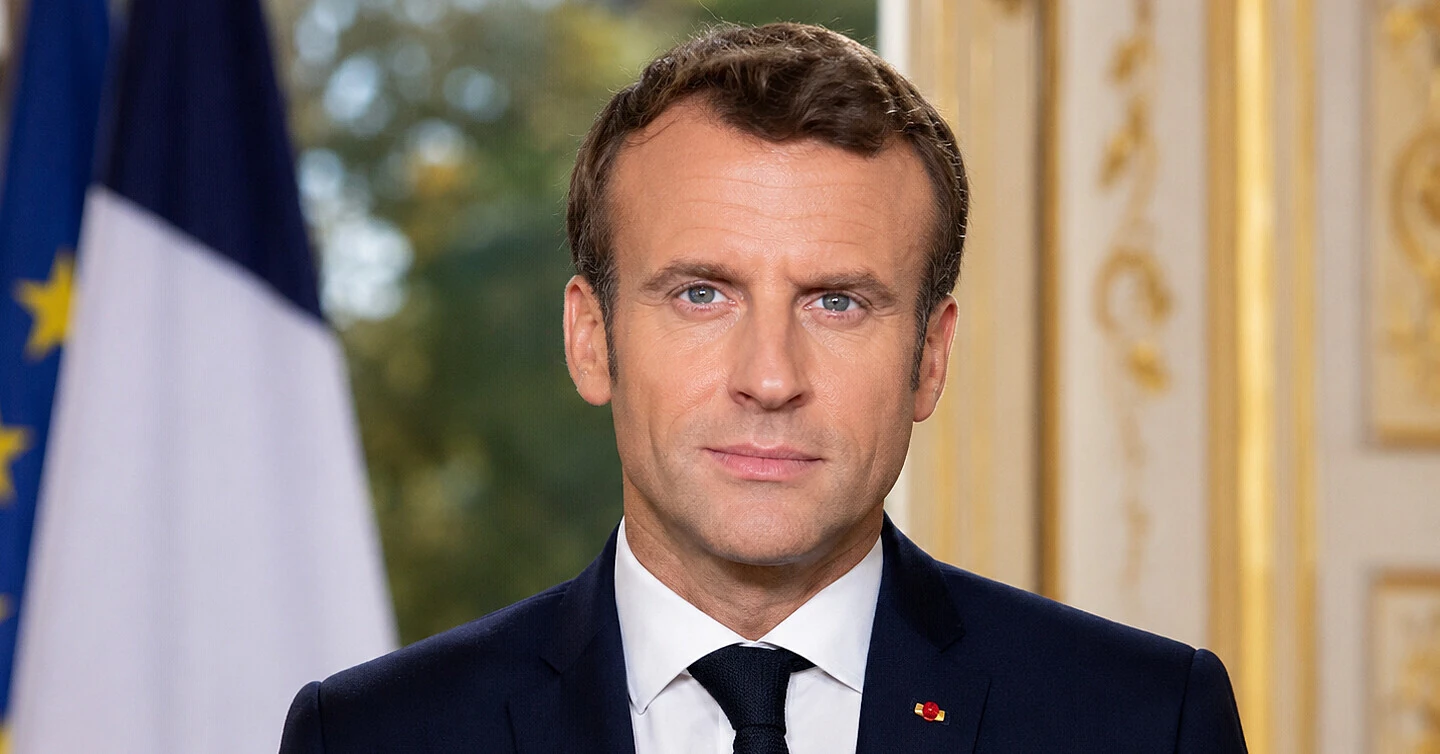
France is seeking to limit the period during which Ukraine can use European funding for the purchase of weapons and components outside Europe. Paris wants the exceptions for American and Chinese products to be gradually replaced by purchases from European manufacturers.
This was reported on 25 August by Euronews, citing sources familiar with the discussions.
The matter concerns the Ukraine Support Loan programme worth 90 billion euros, which the European Union has created to support Ukraine in 2026–2027. Of the total amount, 30 billion euros are intended for budget support and 60 billion euros for defence needs.
Under the programme's rules, weapons and other defence products purchased with these funds should primarily be manufactured in Ukraine, EU countries, or the European Economic Area. The value of components from other countries, as a rule, should not exceed 35% of the value of the components of the relevant product.
However, exceptions are provided for Ukraine's urgent needs. Kyiv can obtain permission to purchase products outside Europe if a suitable European analogue is unavailable, the necessary volumes cannot be produced in time, or delivery timelines do not meet Ukrainian defence requirements.
Ukraine has obtained exceptions for Patriot and drone components
According to Euronews, Ukraine has already requested two such exceptions. The first concerns Chinese components for drone production, and the second American interceptor missiles for Patriot air defence systems.
The European Commission agreed to both requests, recognising that European industry is not yet able to fully supply the volumes and delivery timelines Ukraine needs in these areas.
In particular, the European Commission had previously officially confirmed the application of the exception for drones in which more than 35% of the value of components comes from products from outside the EU, the European Economic Area, and Ukraine.
France now proposes to make such authorisations strictly temporary. Paris wants Ukraine to switch to products from a European manufacturer when one emerges capable of offering the necessary volumes, timelines, and price.
Formally, exceptions are not currently granted indefinitely either. Ukraine must re-justify them in subsequent funding requests, and the European Commission checks the relevant contracts before disbursing money.
Paris promotes the "buy European" principle
France's position is in line with its long-standing desire to channel European defence spending primarily into developing the EU's own industry.
France possesses one of Europe's largest defence industries. In particular, French companies participate in the production of the Franco-Italian SAMP/T air defence system, which is one of the few European systems capable of performing some of the tasks of the American Patriot.
At the same time, a number of European countries advocate a more flexible approach. In July, the defence ministers of Sweden, the Netherlands, Germany, Denmark, Estonia, Poland, Latvia, Finland, and Lithuania called on EU leadership to give Ukraine maximum freedom in purchasing critically needed weapons.
They insisted on a pragmatic use of exceptions for products from third countries if European industry cannot quickly enough meet the needs of the Ukrainian army.
The EU has already approved another 6.1 billion euros for Ukrainian defence
The day before, the European Commission approved another 6.1 billion euros for Ukraine's defence purchases within the 90-billion-euro programme. The funds are intended for air and missile defence systems, missiles, ammunition, and radars.
Most of the purchases are planned to be made from European defence companies. At the same time, Brussels acknowledges that Ukraine's ability to defend itself now depends on receiving critically important weapons as quickly as possible, so the exception mechanism for products from third countries remains in place.
According to Euronews, the French government did not respond to the outlet's request for an official comment on the initiative.
Sources: Euronews, European Commission, EUR-Lex
