
Iran and Oman prepare a temporary corridor through the Strait of Hormuz
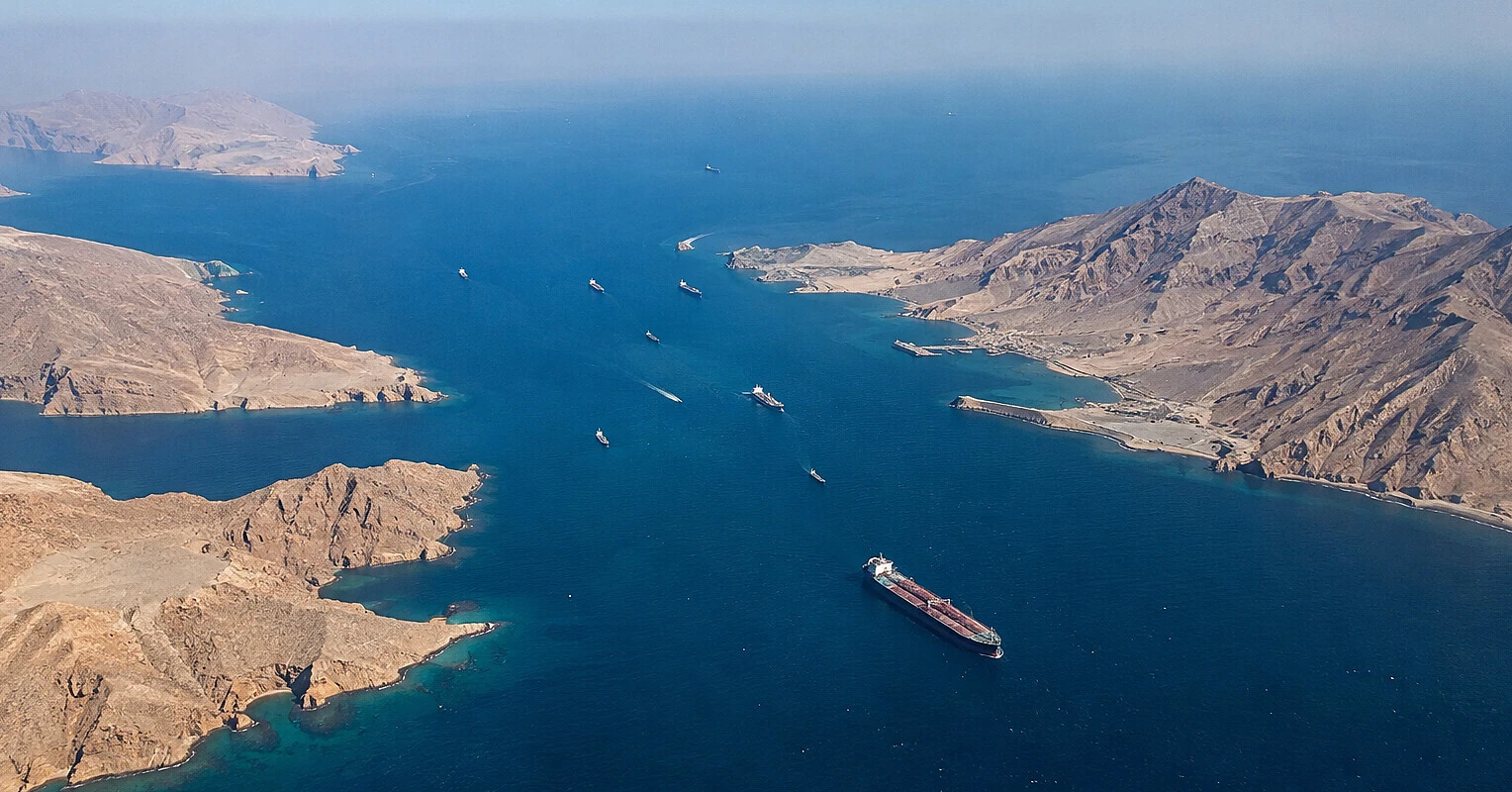
Iran and Oman have agreed to continue working on the creation of a temporary joint shipping corridor through the Strait of Hormuz and a project for its demining. This is intended as the first stage of restoring safe navigation for ships through one of the key routes of global oil trade.
The corresponding phased plan was discussed on August 25 by Omani Foreign Minister Badr al-Busaidi and his Iranian counterpart Abbas Araghchi during talks in Tehran.
A joint statement by the two countries says that the proposed scheme should create a "practical and implementable framework" for restoring safe navigation after the war and related disruptions to traffic through the strait.
The first stage envisages the creation of a temporary joint navigation corridor. At the same time, Iran and Oman intend to implement a joint project to clear the strait of sea mines.
However, the temporary corridor has not yet been declared open. The parties still need technical negotiations on the details of its operation.
The next stage should be a permanent route
After the launch of the temporary scheme, Iran and Oman plan to move to negotiations on the creation of a permanent navigation corridor and a future traffic management system through the Strait of Hormuz.
Among the issues to be settled by technical groups are information exchange between the parties, vessel traffic management, and the provision of navigational and safety-related services.
Tehran and Muscat also consider it necessary to involve other countries of the region with access to the Persian Gulf in the discussion. The parties stressed that the future scheme should comply with international law and take into account the sovereign rights of the coastal states.
As early as June, Iran and Oman set up a joint working group for negotiations on the future regime of navigation through the strait. At that time, the parties declared their intention to keep it as a safe and open route for international navigation.
The strait remains one of the main risks for the oil market
The Strait of Hormuz is of critical importance for global energy. Before the current war, about one-fifth of all oil traded on the world market passed through it.
After the conflict began, traffic dropped sharply and the strait itself became one of the main sources of risk for oil supplies. In recent months, navigation has been complicated by hostilities, attacks on ships, and the presence of sea mines.
On August 25, US President Donald Trump said separately that the US Navy had already removed or destroyed all detected mines in the international waters of the Strait of Hormuz. At the same time, Iran and Oman, in their statement, continue to provide for a separate joint demining project as part of the future safe navigation scheme.
A few days earlier, Iranian authorities stated that the strait would not be fully opened for normal traffic until a change in US policy. Therefore, reaching an agreement on a temporary corridor may be the first practical step toward a broader resumption of navigation, but the final conditions of its operation have not yet been agreed.
Based on materials from: Oman News Agency, Business Insider Polska, Associated Press
