
Dubai airport passenger traffic significantly declines due to war with Iran
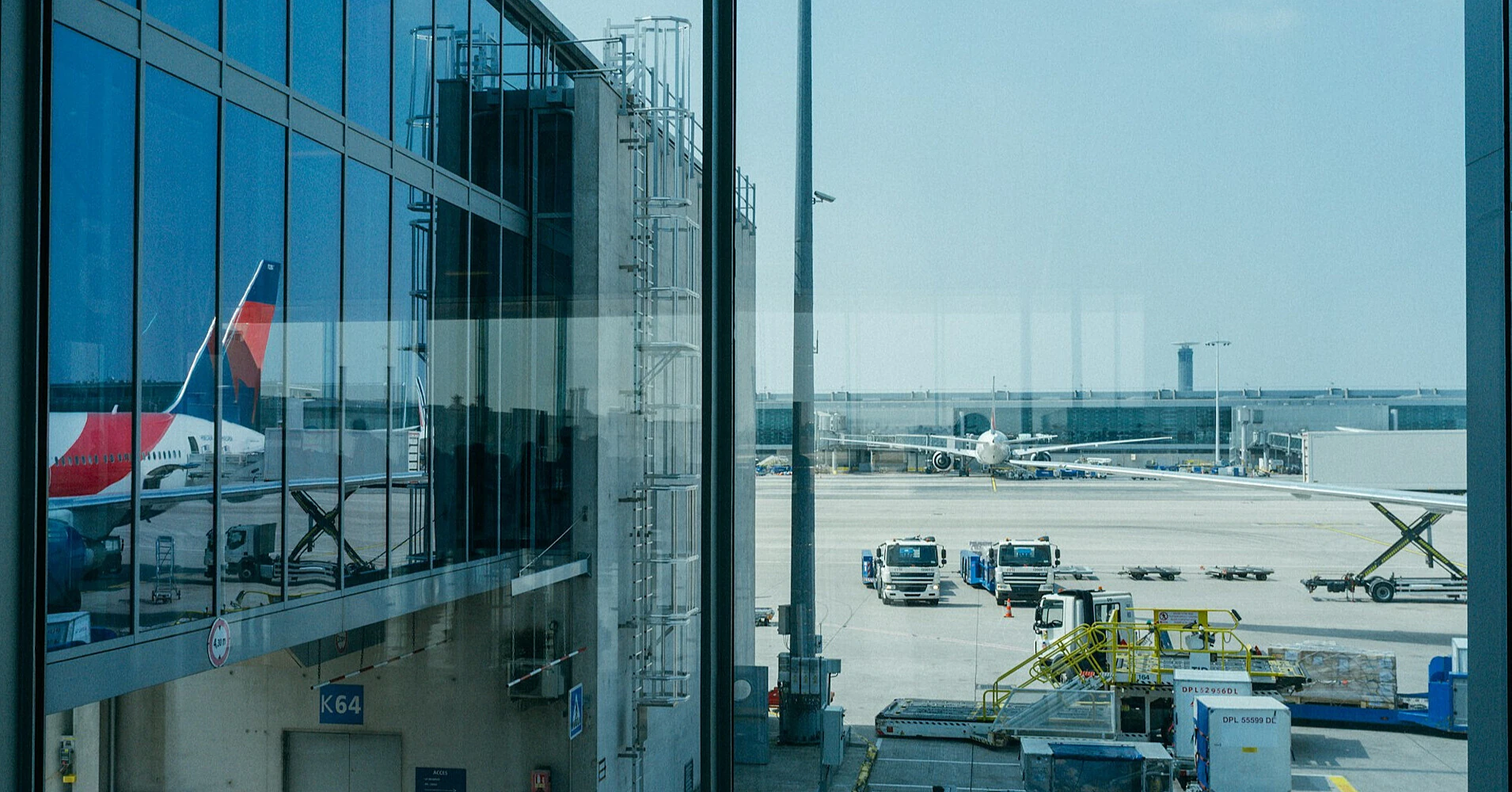
Passenger traffic at Dubai International Airport (DXB) in the first half of 2026 decreased by 31.3% compared to the same period last year. One of the main reasons was the large-scale disruption of air traffic in the Middle East due to the war with Iran.
In January-June, Dubai International served 31.5 million passengers. In the second quarter alone, 13 million people passed through the airport.
The most difficult period was the first months after the start of hostilities. Airspace restrictions, flight cancellations and rerouting significantly reduced the capacity of airlines in the region.
At the same time, a gradual recovery began in the second quarter. In April, DXB served 3.5 million passengers, in May - 4.5 million, and in June - already 5 million. Dubai Airports notes that airlines are resuming flights, international connectivity is improving, and aircraft load factors are increasing.
Flights and cargo transportation also decreased
The number of takeoffs and landings at Dubai International in the first half decreased by 32.1% - to 150.6 thousand. In the second quarter, 62.5 thousand flights were operated.
The war also affected the cargo segment. In six months, the airport handled 751.3 thousand tons of cargo - 28.7% less than a year earlier. In the second quarter, cargo volume amounted to about 351.7 thousand tons.
As for the end of the first half, almost 50 international airlines flew through Dubai International. The airport provided connections to 217 destinations in 99 countries.
Plan for 100 million passengers had to be postponed
Before the start of the war, Dubai Airports expected to serve around 100 million passengers in 2026. After the massive disruptions, the forecast worsened significantly.
The CEO of Dubai Airports, Paul Griffiths, stated that the airport now expects about 70 million passengers by the end of the year. The operator hopes to reach the 100 million passenger mark already at the beginning of 2027.
The company expects a significantly stronger second half thanks to the restoration of airline route networks, increased transit passenger traffic, relaxation of travel advisories for the region, and the winter schedule.
Based on materials from: Bloomberg, Dubai Media Office, Khaleej Times
