
Hundreds of tourists missing in Nepal after devastating flood
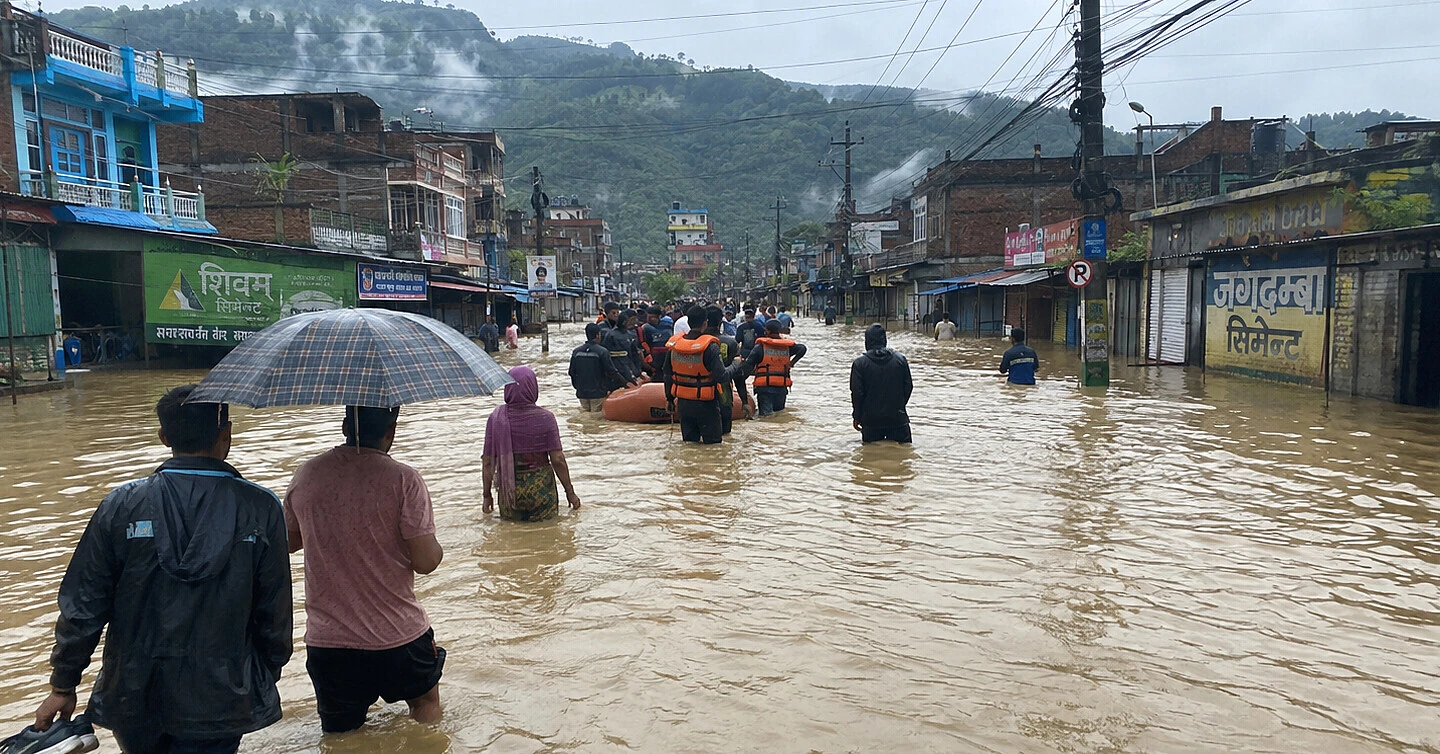
In Nepal after a devastating flash flood in the north of the country, contact has not been established with 384 tourists and travelers. Among them 291 foreign nationals and 93 Nepalis, the Nepal Tourism Board reported.
The natural disaster occurred on the morning of August 26 in the Bhote Koshi river area in Rasuwa district near the border with Tibet. A powerful flow of water, mud, and rocks swept down the valley, destroying settlements and infrastructure.
The list of people with whom contact has been lost is still preliminary. The Tourism Board compiled it based on data from tourism and trekking companies operating in the affected area. Therefore, authorities continue to establish the actual whereabouts of travelers.
Among the foreigners with whom contact cannot be made are citizens of India, the United Kingdom, Malaysia, the United States, South Africa, and other countries. According to preliminary data, there are more than 100 Indian citizens alone on the list. Also on it are 17 Malaysians, 12 Britons, and three Americans.
Many travelers were on routes toward Gosainkunda and Kailash-Mansarovar — popular areas of the Himalayas for tourists and pilgrims.
The search and rescue operation continues. The Nepalese Army, police, armed police, local authorities, and tourist police are involved. According to local media, rescuers have managed to evacuate dozens of people, but the work is hampered by bad weather, damaged roads, and communication problems.
The flood hit Timure and Syabrubesi areas especially hard. The flow damaged residential houses, markets, police posts, customs infrastructure, roads and bridges, including communication lines leading to the Rasuwagadhi border crossing.
Hydropower facilities were also damaged. In addition to tourists, contact has been lost with security personnel, customs officers, and employees of hydroelectric power plants.
The death toll continues to be clarified as search operations proceed. During the day, official and media estimates were repeatedly raised, so authorities warn that the final scale of the disaster cannot yet be determined.
The cause of such a sudden rise in water has also not been confirmed conclusively. A theory is being considered about a huge mass of ice and rocks sliding down, which may have blocked one of the tributaries, after which the accumulated water burst through the natural barrier. Authorities continue to investigate the circumstances of the disaster.
Residents of areas downstream of the Bhote Koshi and Trishuli rivers were urged to stay away from riverbanks and follow instructions from rescue services.
Sources: Radio Nepal, The Kathmandu Post, Associated Press
