
Russia prepares to intensify strikes on Ukraine after failed talks - Bloomberg
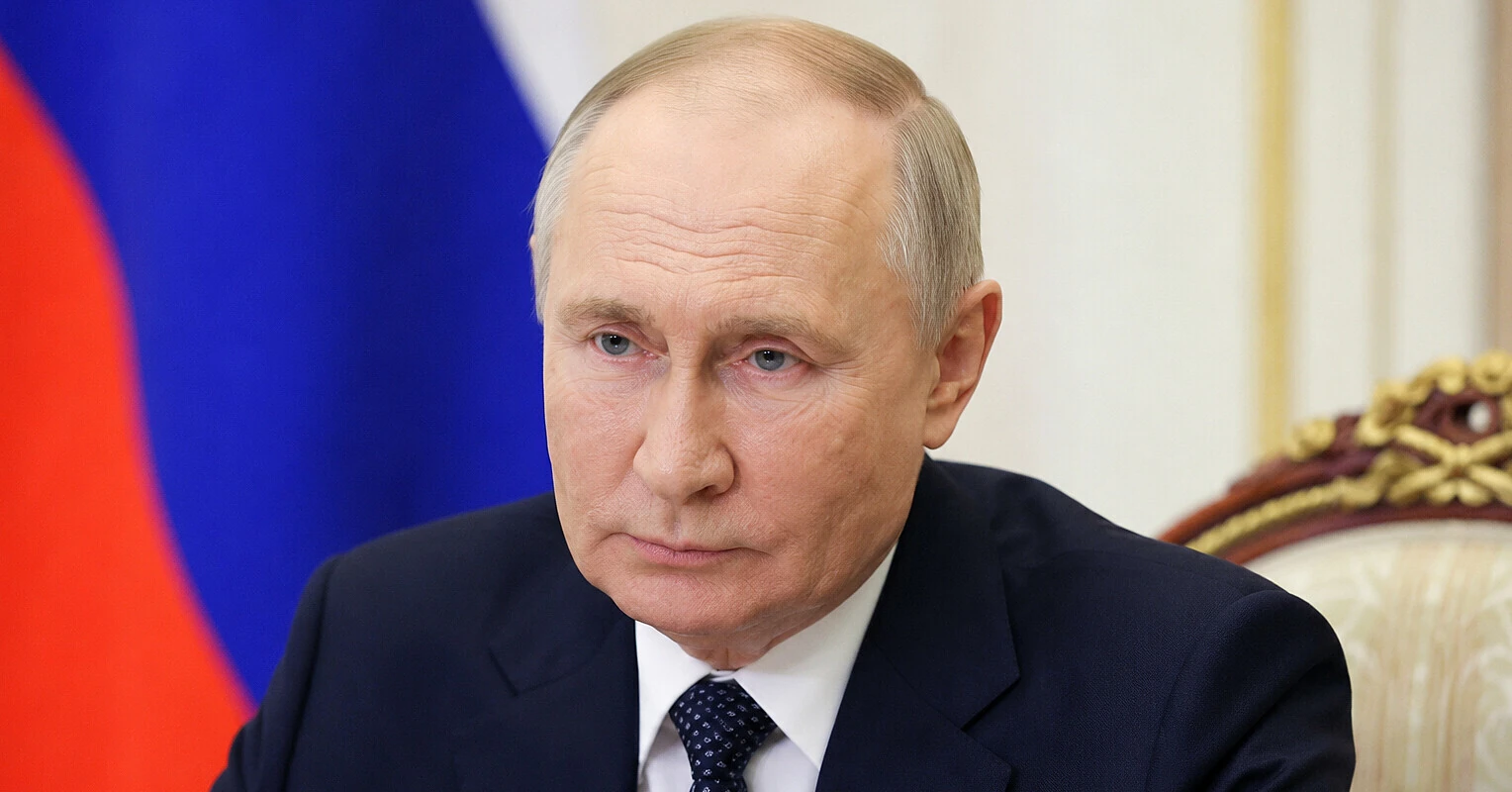
Russia is preparing for a new intensification of attacks on Ukraine after the Kremlin concluded that attempts to negotiate an end to the war have effectively reached a dead end. Moscow is considering increasing the intensity of strikes with ballistic missiles on Kyiv and infrastructure in other Ukrainian cities.
This was reported by Bloomberg, citing three people close to the Kremlin. The agency's sources asked not to be named due to the sensitivity of the information discussed.
According to them, the Russian leadership is currently considering more powerful attacks with conventional ballistic missiles on Kyiv, including central districts of the capital. At the same time, the intensity of strikes on infrastructure facilities in other cities of Ukraine may be increased.
Moscow has not announced a final public decision on such a campaign. The Kremlin has also not officially confirmed Bloomberg's information about plans to scale up missile attacks.
The Kremlin considers negotiations effectively derailed
According to Bloomberg sources, the existing negotiation mechanisms have practically ceased to function, and Russia and Ukraine have effectively returned to their initial positions.
The agency's sources believe that Vladimir Putin does not intend to end the war solely under the influence of economic sanctions or because of Ukrainian strikes on Russian oil refineries and logistics infrastructure.
This assessment is consistent with previous Bloomberg data on the Kremlin's position. In July, the agency reported that Moscow had tightened its territorial demands and no longer intends to return part of the seized areas of Sumy and Kharkiv regions, which Russia wants to keep as so-called buffer zones. Putin, meanwhile, continues to seek the capture of the entire Donetsk region.
Russia relies on ballistic missiles
The likely intensification of attacks comes amid Ukraine's shortage of interceptor missiles for Patriot systems — the primary means of countering Russian ballistic missiles.
On August 25, President Volodymyr Zelensky said that Ukraine had received only a small number of American Patriot interceptors and continues to seek increased deliveries. British Prime Minister Andy Burnham also stated his intention to discuss this issue with the US administration.
Analysts at the Institute for the Study of War have previously noted that Russia has been increasing its use of ballistic missiles in recent months precisely to exploit the shortage of Patriot interceptors. According to Ukrainian intelligence, since spring Moscow has also been redistributing production in favor of missile types that are harder to counter with Ukrainian air defense systems.
At the same time, Ukraine has expanded long-range strikes on Russian oil refineries, logistics facilities, and other infrastructure used to support the Russian army. In Russia, amid these attacks, they even allowed the temporary transfer of control over critical commercial facilities to the state if their owners do not provide sufficient protection against drones.
Thus, Bloomberg's data indicate not the achievement of a new diplomatic compromise, but the risk of a further intensification of the air war. At the same time, information about specific Russian plans is based on anonymous sources close to the Kremlin and has not yet been officially confirmed.
