
Trump threatened Canada after retaliatory tariffs: "Time to teach a lesson"
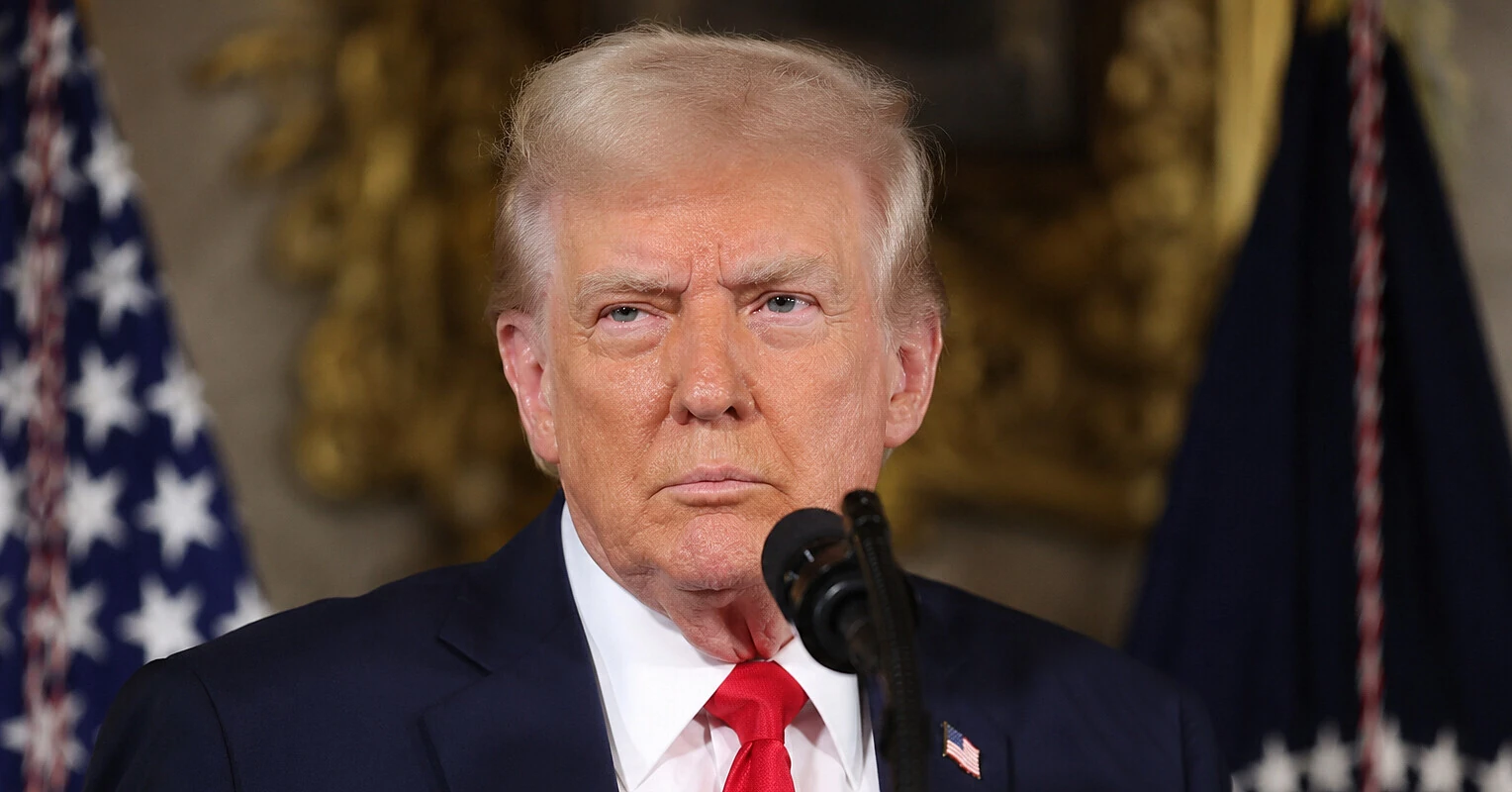
US President Donald Trump sharply criticized Canada after the failure of trade negotiations and Ottawa's decision to respond to American tariffs with its own tariffs. According to him, it is time to “teach Canada a lesson” and show that Washington no longer intends to tolerate its trade policy.
Trump said this on August 26 in an interview with American radio host Glenn Beck, Reuters reports.
“I had a deal, a pretty good deal, a very good deal,” — the American president said, commenting on the collapsed negotiations between the two neighboring countries.
According to Trump, the United States can do without most of the products it receives from Canada.
“They don't have anything we can't do without. There are a couple of things that will be a little inconvenient, but we can get them elsewhere. And it is time to teach Canada a lesson: this can’t be done anymore,” — the US president stated.
US imposed 50 percent tariffs
A new round of the trade conflict began after negotiations between Washington and Ottawa on a comprehensive trade agreement ended without results.
On August 22, the US imposed 50 percent tariffs on a number of Canadian goods. According to the Canadian government, the new American tariffs affect imports worth 27.6 billion Canadian dollars — about $20 billion.
Washington explains the measures by discriminatory restrictions that Canada applies to American goods. The White House, in particular, accuses Ottawa of creating barriers for American cars, alcohol products, and dairy goods.
The Trump administration claims that before the breakdown of negotiations, it offered Canada significant concessions in access to the American market, but Ottawa put forward unacceptable conditions.
The Canadian government describes the situation differently. In Ottawa, they said that the US in the last days of negotiations proposed new conditions that “demanded too much from Canada and offered too little in return.” After that, the Canadian side decided to suspend negotiations.
Canada will respond dollar for dollar
On August 25, the Canadian government announced new retaliatory tariffs on American products. They will come into force on September 8 and will cover imports from the US for the same 27.6 billion Canadian dollars.
Depending on the category of goods, the rates will be 15%, 25%, or 50%. Ottawa said it would mirror American restrictions on a “dollar for dollar” and “rate for rate” basis.
Among other things, steel, dairy products, household appliances, agricultural equipment, paper products, and electronics will come under the new Canadian tariffs.
For example, 25 percent tariffs will be imposed on some American household appliances, cheese, fish and seafood, as well as certain steel and aluminum products. Previously introduced Canadian restrictions on American cars will also remain in force.
At the same time, the Canadian government has prepared a support package for companies and workers affected by the trade conflict totaling 7.5 billion Canadian dollars. The funds are planned to be used for business lending, employment support, and helping companies find new markets.
Trade conflict between neighbors escalates
Canada remains one of the largest trading partners of the US, and the economies of the two countries are deeply integrated, especially in the automotive industry, energy, metallurgy, and agriculture.
Despite this, Trump claims that the US dependence on Canadian imports is limited and necessary goods can be purchased in other countries.
The White House also emphasizes the difference in the scale of the economies of the two states and considers it an important advantage of Washington in the trade confrontation. At the same time, about three-quarters of Canadian goods exports traditionally go to the American market.
After the announcement of Canada's retaliatory measures, there are no signs of an early resumption of negotiations. Both sides accuse each other of disrupting the agreements and are preparing for further mutual tariffs.
Source: Reuters, Government of Canada, White House
