
Ukraine to create a network of underground storage facilities for strategic fuel reserves
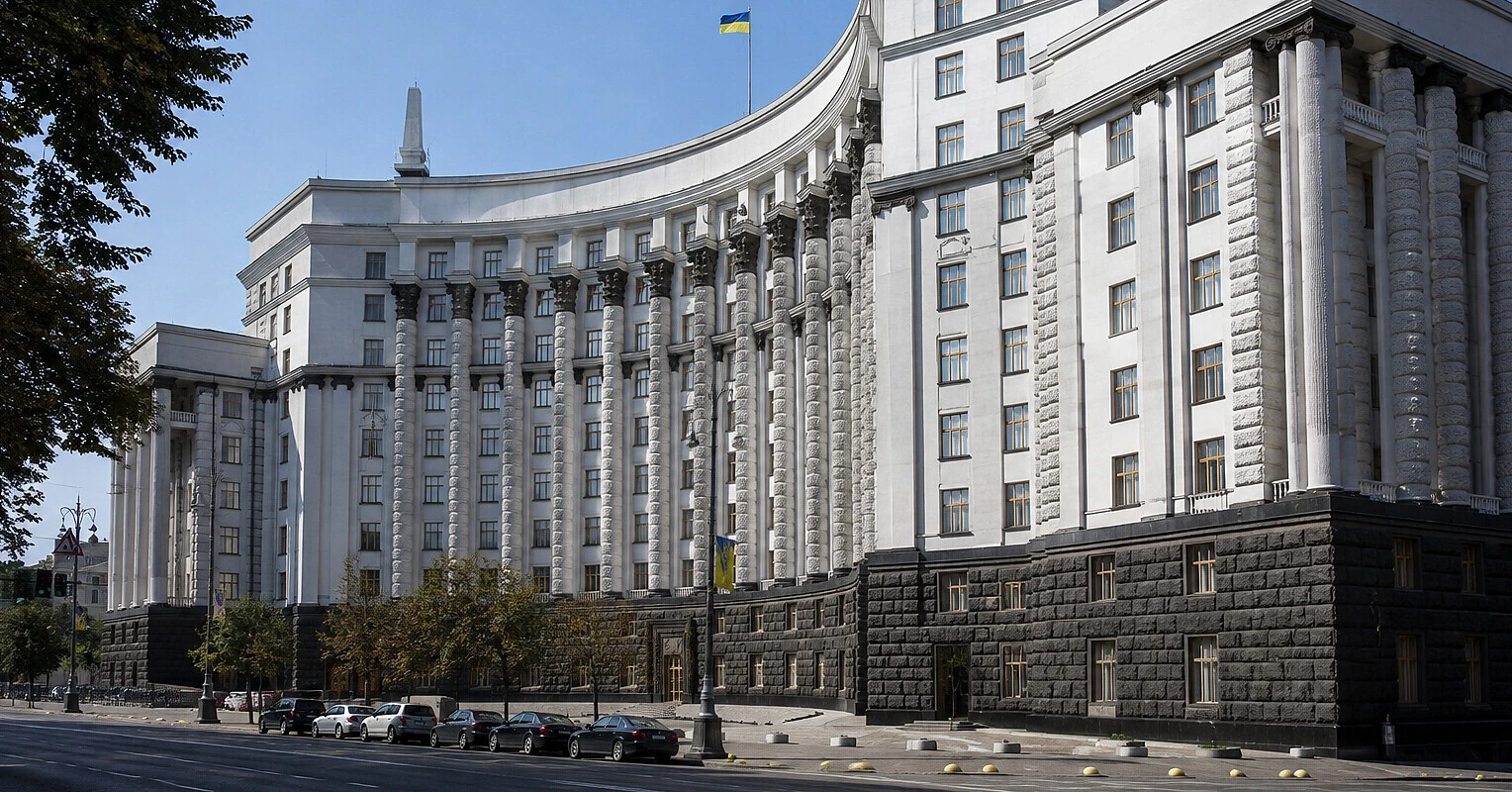
The Cabinet of Ministers has launched an experimental project for underground storage of part of the minimum oil product reserves. They plan to use underground tanks, salt caverns, depleted oil and gas fields, and other suitable facilities. The decision aims to increase the protection of fuel reserves and reduce the risk of their loss due to Russian attacks.
The corresponding resolution No. 1037 was adopted by the government on August 13. The experiment will run during martial law, but no longer than two years from the moment the resolution enters into force.
The project involves the creation of a branched system of underground storage for oil products that are part of Ukraine's minimum oil and oil product reserves.
Where fuel can be stored
An underground storage facility within the experiment can be either a specially created complex or existing infrastructure suitable for safe storage of oil products.
In particular, the use of natural or artificial underground cavities is envisaged - salt caverns, depleted oil and gas fields, other geological formations, and artificial underground tanks.
Separate sections of main pipelines may also be involved in the system if they meet the established requirements.
Such facilities must ensure tightness, control and prevention of leaks, accounting of quantity and quality of fuel, security, access control, and the ability to quickly withdraw oil products if necessary.
From 2027, part of diesel will be required to be stored underground
One of the key norms will come into effect from 2027. Market entities and operators will be required to store at least 20% of diesel fuel included in their formed minimum reserves in underground storage facilities.
This refers specifically to the minimum reserves that companies are obligated to create in accordance with legislation, not 20% of all diesel fuel on the Ukrainian market.
At the same time, the norms for the volumes of minimum reserves are not changed due to the launch of the experiment.
The project will be the responsibility of the Ministry of Energy and "Ukrtransnafta"
The Cabinet of Ministers has designated the Ministry of Energy as the coordinator of the experiment. The Ministry of Economy and Environment, the State Agency for Reserve Management, NJSC "Naftogaz of Ukraine", fuel market participants, and other operators will also be involved in its implementation.
"Ukrtransnafta" has been appointed as the specialized responsible custodian. To create the system, the company will be able to attract state property, including objects not subject to privatization.
The lists of such objects and the potential capacity of underground storage facilities are not publicly disclosed - the relevant annexes to the resolution are classified "for official use".
Market operators will also be able to create or put into operation their own underground storage facilities if they meet the established technical and safety requirements.
Why Ukraine needs underground fuel reserves
The main task of the experiment is to test the possibility of large-scale use of underground infrastructure for minimum fuel reserves during the war. This storage method should increase the physical protection of reserves and reduce the risk of simultaneous loss of large volumes of oil products as a result of strikes.
Underground placement does not mean that reserves become completely invulnerable to attacks. However, it allows reducing the vulnerability of fuel compared to its concentration in ordinary above-ground tanks.
After the experiment is completed, the Ministry of Energy is to prepare a report for the Cabinet of Ministers and proposals for further changes to legislation.
Based on materials from: Resolution of the Cabinet of Ministers of Ukraine No. 1037
