
Serbian President Criticizes The Hague After Ratko Mladić's Death
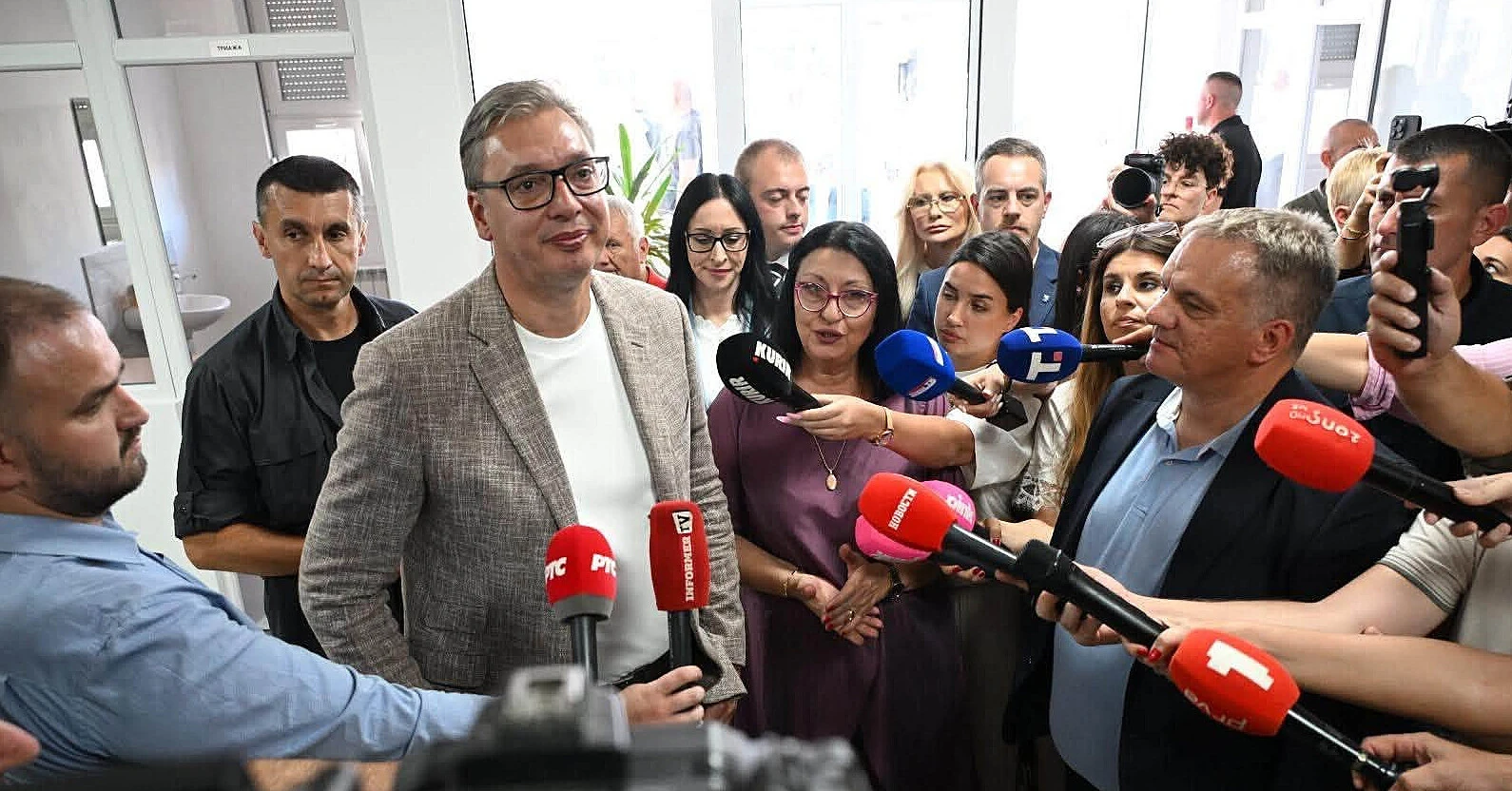
Serbian President Aleksandar Vučić sharply criticized the International Residual Mechanism for Criminal Tribunals following the death of former Bosnian Serb army commander Ratko Mladić. According to the Serbian president, The Hague deliberately did not allow Mladić to spend his last days in Serbia.
Vučić made this statement on August 28 during a trip through the Mačva and Kolubara districts, the Serbian state broadcaster RTS reports.
“We now saw that The Hague wanted Mladić to die behind bars. They did not want to allow the general to die in Serbia, to die where he wanted,” — said Vučić, calling such a decision “anti-civilizational.”
This statement is the assessment of the president of Serbia. The International Mechanism has previously rejected requests by Mladić’s defense for early release on health grounds, stating that he was receiving the necessary medical and palliative care.
Burial place to be determined by family
Vučić said that Serbian authorities are ready to help Mladić’s family with funeral arrangements.
According to him, if relatives want to bury him in Serbia, the state will organize all necessary procedures “in a decent and dignified manner.”
At the time of the statement, a final decision on the burial place had not yet been made. Vučić stressed that the choice would depend entirely on the family of the deceased.
Serbian authorities have also sent specialists to address logistical issues related to the transfer of the body. Vučić said Belgrade is awaiting further official information from The Hague.
Circumstances of Mladić’s death under investigation
Ratko Mladić died on August 27 while receiving medical treatment in The Hague. He was 84. The International Residual Mechanism officially confirmed his death.
The President of the Mechanism, Graciela Gatti Santana, ordered a full investigation into the circumstances of his death. She assigned it to Judge Iain Bonomy. Dutch authorities also launched standard procedures under national legislation.
Mladić’s health had deteriorated sharply in recent months. His defense repeatedly sought release on humanitarian grounds and transfer to Serbia, but these requests were denied.
Mladić was sentenced to life imprisonment
The International Criminal Tribunal for the former Yugoslavia in 2017 found Mladić guilty of genocide, crimes against humanity and war crimes during the war in Bosnia and Herzegovina and sentenced him to life imprisonment.
In 2021, the Appeals Chamber of the International Residual Mechanism upheld the sentence.
Among the crimes for which Mladić was convicted — the genocide in Srebrenica in July 1995, when more than 8,000 Bosnian Muslim men and boys were killed, a terror campaign against the residents of Sarajevo, and taking UN personnel hostage.
After Mladić’s death, the UN Secretary-General stressed that the findings of international courts in his case are final, and called on political leaders to refrain from denying the Srebrenica genocide and glorifying those convicted of war crimes.
Sources: RTS, International Residual Mechanism for Criminal Tribunals
