
Different rules for Kyiv are being prepared depending on the type of air threat
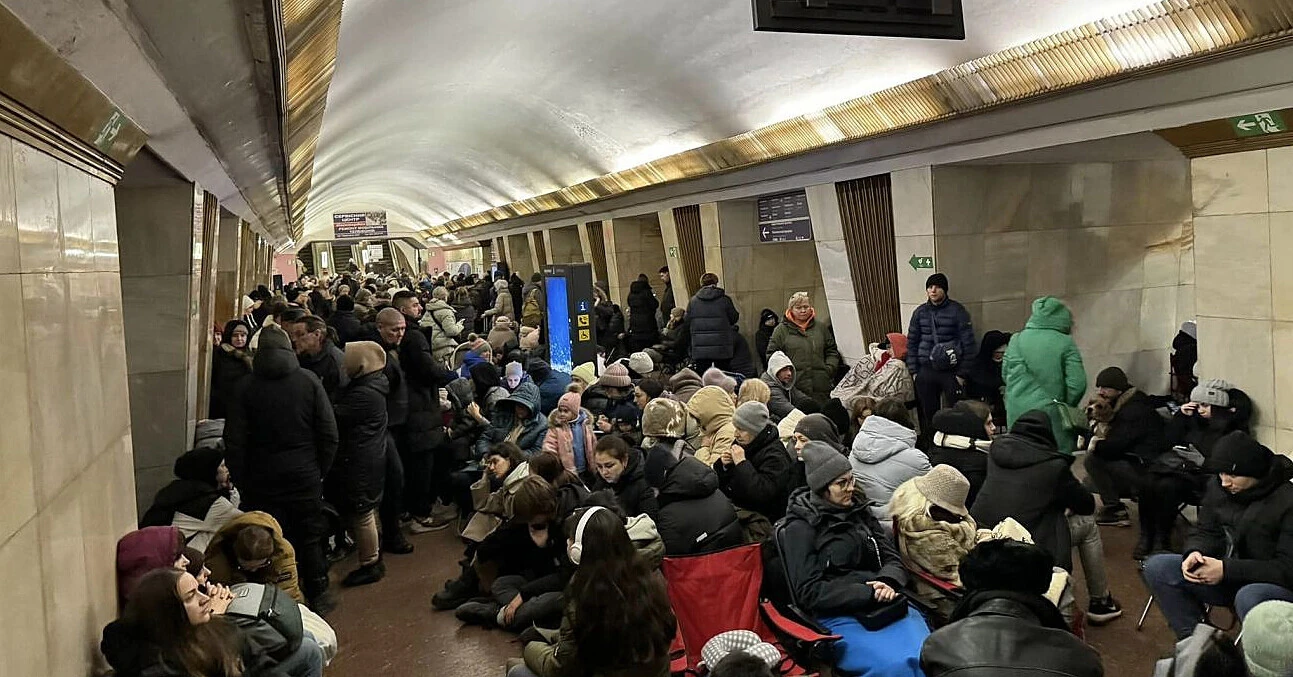
Ukrainian authorities are developing new rules that should allow businesses, institutions, and Kyiv's urban infrastructure to continue working during certain air threats. Instead of the same restrictions for every alert, the possibility of taking into account the specific type of danger is being considered.
This was reported by People's Deputy Olga Vasilevskaya-Smaglyuk, commenting on the preparation of new response algorithms for prolonged air alerts.
The government explains the need for changes due to the new tactics of Russian attacks. Prolonged alerts simultaneously affect the work of enterprises, logistics, public transport, schools, kindergartens, and other institutions.
According to Prime Minister Serhiy Koretskyi, the authorities are working on solutions that will determine the operating procedures for enterprises and institutions under different types of air danger. At the same time, the operating algorithms for transport, the metro, and other infrastructure are being revised.
Thus, we are talking about moving from a universal approach, in which the announcement of an alert significantly restricts the city's operation regardless of the nature of the threat, to a more differentiated system. However, the specific list of institutions that will be able to continue operating, and the conditions for this, have not yet been published.
They also want to change the warning system
One element of the new system may be more detailed informing of residents about the nature of the threat. The government is considering the possibility of providing citizens with more operational information about air danger, while not disclosing data that could create additional safety risks.
Minister for Restoration, Infrastructure and Transport Mykola Kalashnyk previously reported on work on a differentiated warning system depending on the type of threat.
Changes in the operation of railway infrastructure are also being considered: the possibility of round-the-clock operation of stations, the dispersal of trains and passengers, reduced boarding and alighting times, and other measures.
Changes will affect the metro and curfew
Separately, the authorities intend to review the operating mode of the capital's transport. Kyiv has already proposed changing the traffic order on bridges during air alerts and has developed a corresponding algorithm together with the military.
A change in the curfew regime in Kyiv and Kyiv Oblast is also being considered. The authorities explain this by the need to ensure the movement of people, logistics, and the functioning of the economy under prolonged air alerts.
However, there are no final decisions yet. All new algorithms must be coordinated with the military so that the change in restrictions does not lead to additional risks for the capital's residents.
The need to revise the current system became especially acute after a series of prolonged alerts in late August. Over three days, from August 27 to 29, air alerts were announced 35 times in Kyiv, and their total duration exceeded 36 hours.
The government intends to form a set of proposals, after which it will present concrete changes to the public and move on to their implementation.
Based on materials: Olga Vasilevskaya-Smaglyuk, Cabinet of Ministers of Ukraine
