
Turkey prepared a new plan for safe grain export via the Black Sea
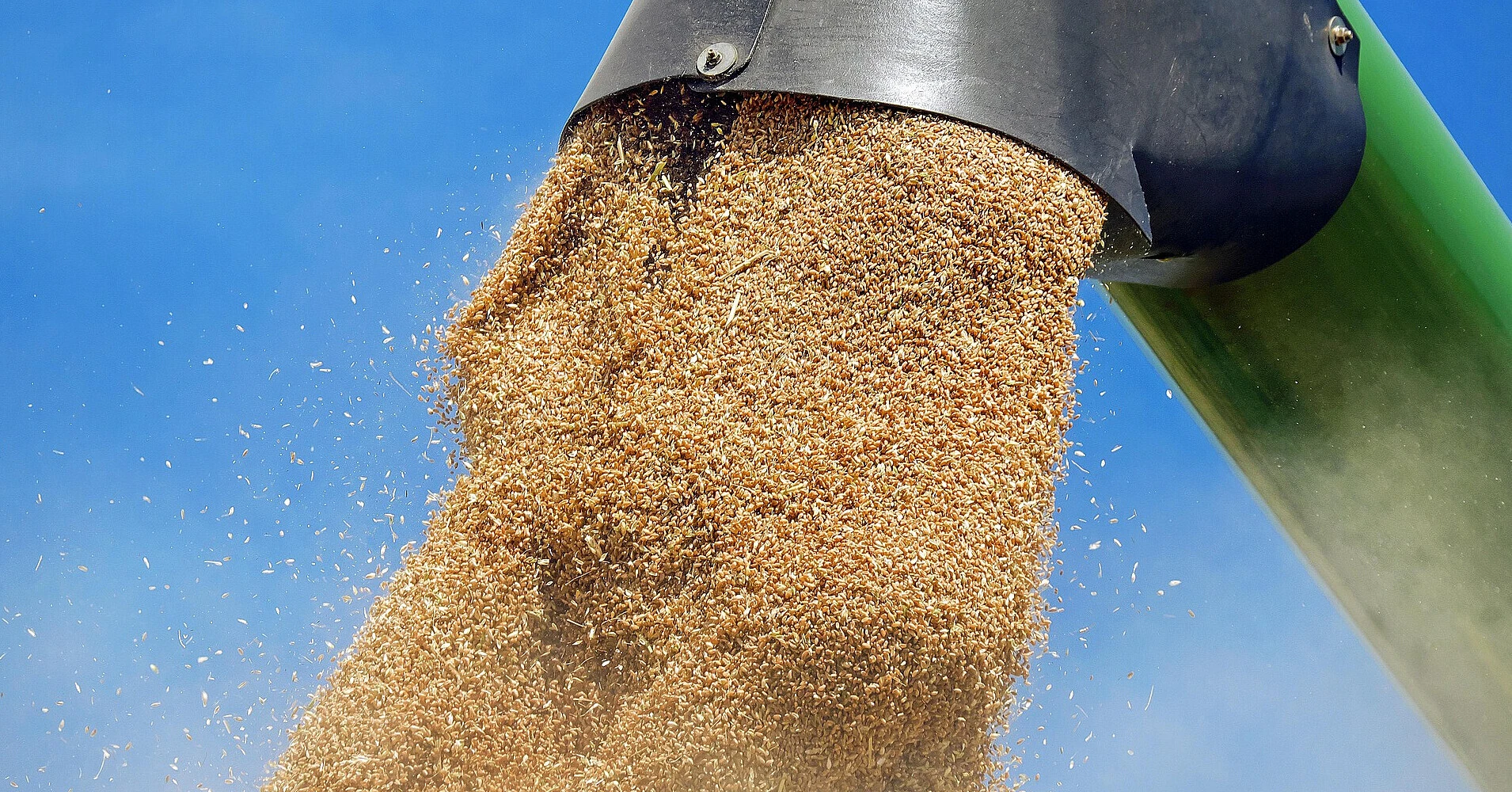
Turkey prepared a new plan for safe grain export via the Black Sea and is already discussing it with Ukraine and Russia. Ankara hopes, under certain conditions, to achieve an agreement similar to the previous Black Sea Grain Initiative.
This was stated by Turkish Foreign Minister Hakan Fidan at a press conference in Istanbul on August 31.
According to the head of the Turkish Foreign Ministry, Ankara is in contact with both sides regarding the developed mechanism.
"We have prepared a plan and are in contact with both sides regarding this plan," Fidan said.
He added that Turkey is working on the possibility of concluding a new agreement on safe grain export via the Black Sea if the necessary conditions are met.
Fidan has not yet revealed specific parameters of the Turkish proposal. In particular, it is unknown which security guarantees the plan envisages and whether Ukraine and Russia have agreed to start substantive negotiations on it.
Ankara has stepped up contacts with Kyiv and Moscow in recent weeks due to deteriorating shipping security in the Black Sea. Turkey had previously offered the parties to separately agree on protection of commercial vessels and grain routes even without reaching a general ceasefire agreement.
Turkey already acted as a mediator in the creation of the Black Sea Grain Initiative. The agreement, with UN participation, was concluded in July 2022 and ensured safe export of Ukrainian agricultural products from Black Sea ports.
During the mechanism's operation, Ukraine exported almost 33 million tons of grain and other agricultural products by sea. Russia withdrew from the agreement in July 2023, citing obstacles to its own food and fertilizer exports.
After the grain deal ended, Ukraine created its own sea corridor. However, in 2026 risks for shipping increased significantly again amid Russian strikes on Ukrainian port and logistics infrastructure and a series of incidents with commercial vessels in the Black Sea.
Based on materials from: Reuters
