
Spain's Prime Minister links Russia and Israel to disinformation during Ceuta crisis
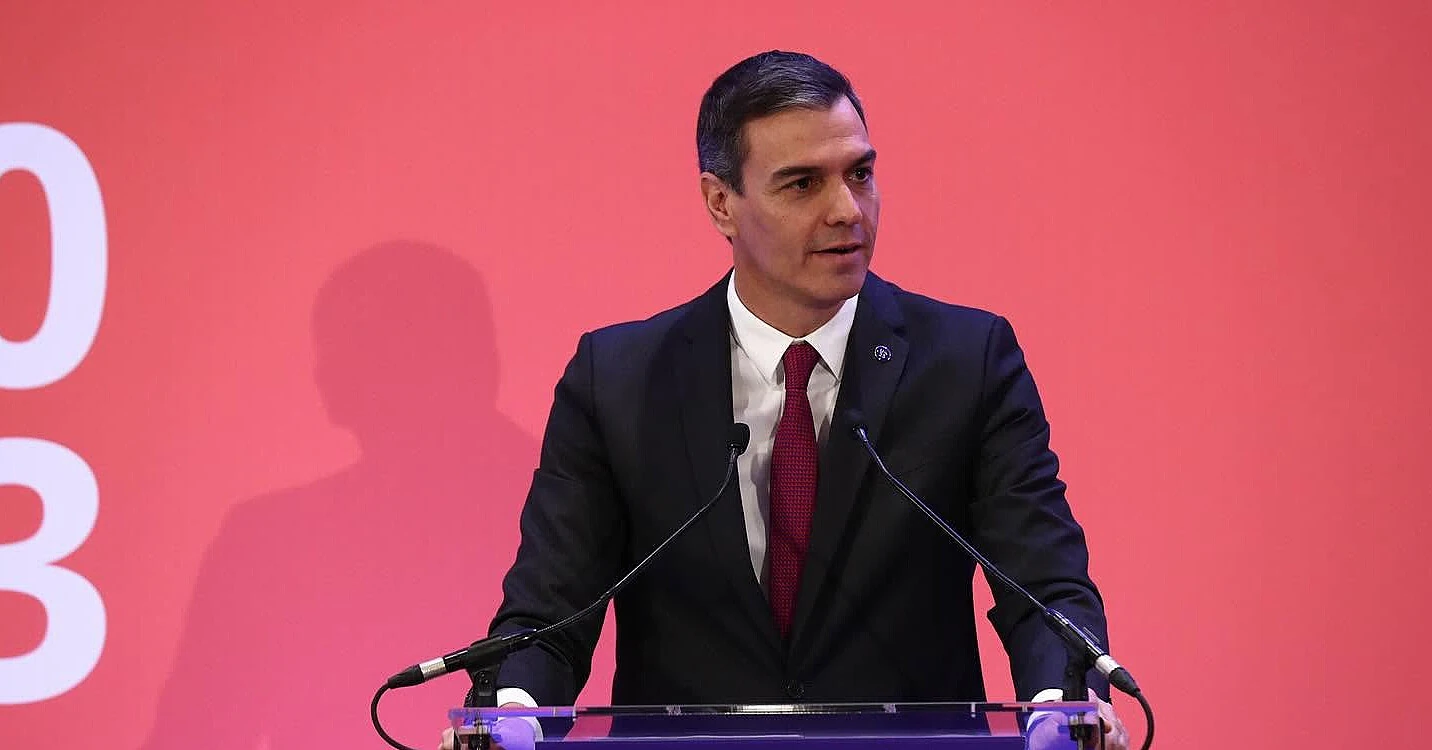
Prime Minister of Spain Pedro Sánchez said that disinformation spread during the large-scale migration crisis in Ceuta was circulating on social networks linked to Russia and Israel, as well as to international far-right movements. He emphasized that there is as yet no evidence of direct involvement by the governments of those countries.
Sánchez said this on 31 August in an interview with radio station Cadena SER.
The reference is to the events of 30–31 July, when tens of thousands of migrants tried to enter the Spanish enclave of Ceuta from Morocco. According to the Spanish side, over two days about 72,000 people irregularly crossed the border, an unprecedented migration surge for a city of about 80,000 inhabitants.
Sánchez said the authorities are still investigating the causes of what happened. He cited as one factor false information that spread after a Spanish Supreme Court ruling on the practice of immediately returning migrants who reach Ceuta by swimming.
According to the head of government, social networks spread the claim that a person who reached Ceuta by sea can no longer be returned to Morocco. Sánchez called this claim false and said it was exploited, among others, by criminal organizations engaged in illegal smuggling of people.
“After 30 and 31 July, rumours and disinformation spread on social networks linked both to Russia and to Israel and international far-right groups, which always use migration to attack not only Spain but also Europe,” the prime minister said.
Sánchez also made the caveat that the links found do not automatically mean the involvement of state structures of Russia or Israel. According to him, the Spanish authorities do not yet have a complete picture of what happened and continue to investigate.
Sánchez rules out Morocco's involvement
The Spanish prime minister also rejected suggestions that the Moroccan authorities may have deliberately facilitated the mass border crossing. He said that neither Spanish law enforcement and intelligence services nor foreign intelligence services cooperating with Madrid have provided data on Rabat's involvement.
Sánchez separately noted Morocco’s “instant cooperation” during the crisis and stressed that the migration problem can be solved through interaction with the neighbouring country, not by increasing distrust of it.
According to him, before the crisis Spain's National Intelligence Centre had provided situational reports on the increase in attempted border crossings, but there was no information that would have made it possible to assess in advance the scale of the future influx.
Israel rejects accusations
After the interview, Israeli Foreign Minister Gideon Sa'ar accused Sánchez of lying and categorically rejected claims of Israel's involvement in spreading disinformation around the events in Ceuta.
According to Sa'ar, the accusation of spreading misleading information is unfounded. At the time of publication, the Russian side had not publicly commented on the Spanish prime minister's statements.
The migration crisis in Ceuta sparked a broad debate within the European Union on Spain's migration policy and the protection of the bloc's external borders. Thousands of migrants who arrived after the July events continue to remain in the enclave.
