
Zelensky announces first airlines refusing to fly to Russia
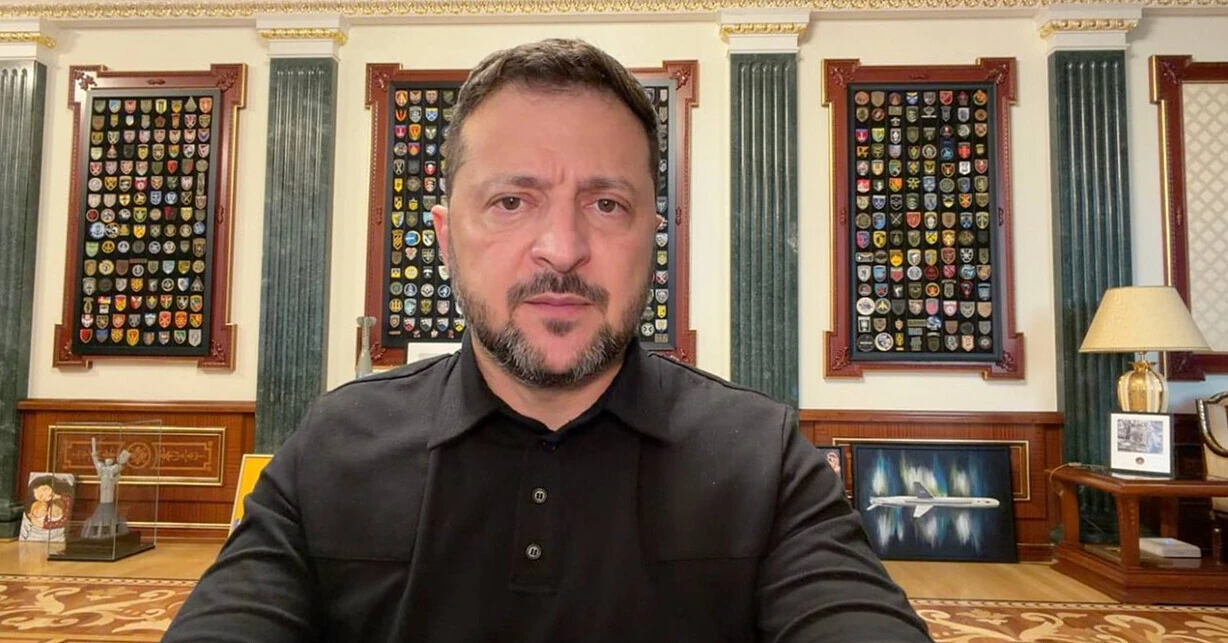
The first airlines have begun refusing to operate flights to Russian airports after Ukraine's warning about the growing drone danger in Russian airspace. President Volodymyr Zelensky made this statement on the evening of September 2.
According to him, Kyiv is already receiving relevant information from the aviation industry.
«We are receiving information that the first airlines have begun refusing to operate flights to Russian airports after our announcement about the drone danger that objectively exists in Russia's skies», — said Zelensky.
The President called such a reaction logical given the intensity of hostilities and emphasized the need to protect human lives above all.
At the same time, Zelensky did not name the specific airlines that completely refused to fly to the Russian Federation, and did not specify the number of cancelled or postponed flights.
Ukraine officially warned ICAO
The statement came the day after Zelensky addressed international airlines, insurance companies and other aviation market participants with a warning about increased threats in Russian airspace.
The President said that the growing number of Ukrainian long-range drones operating over Russia makes the use of Russian skies increasingly risky for civil aviation.
At the same time, the Ukrainian side emphasizes that civilian aircraft are not targets of Ukrainian strikes. The issue concerns risks arising from the ongoing war, the operation of air defense systems, drones and periodic restrictions on Russian airport operations.
On September 2, Ukrainian Foreign Minister Andrii Sybiha said that Kyiv had officially notified the International Civil Aviation Organization (ICAO) that Russian airspace poses a danger to civil aviation due to increased military activity.
Ukraine urged airlines to avoid Russian airspace.
Pegasus cancelled flights to Russia overnight
Meanwhile, on the night of September 1–2, the Turkish airline Pegasus Airlines cancelled a number of flights to Russian airports.
In a message received by passengers of one of the cancelled flights, the reason cited was safety considerations on the route. However, Pegasus later officially stated that the night flights were cancelled for "technical and operational reasons".
From September 2, the company resumed flights to Russia on schedule and announced the preparation of additional flights for affected passengers. Therefore, the airline itself did not directly link Pegasus's decision to the Ukrainian warning.
Russia's Federal Air Transport Agency (Rosaviatsiya) also stated that it had not received notifications from foreign carriers about a large-scale revision of flight programs to the Russian Federation.
Foreign carriers continue to use Russian skies
Most airlines from the EU, the US and other Western countries ceased flying over Russia after the start of the full-scale invasion of Ukraine in 2022 and the subsequent closure of airspace.
However, carriers from a number of countries, in particular Turkey, the UAE, Qatar, India and China, continue to use Russian routes.
For such airlines, further growth in drone activity may mean not only the risk of individual flight cancellations, but also the need to change routes. A longer detour around Russian airspace increases flight duration, fuel consumption and operating costs.
In addition, increased military risks may affect aviation insurance conditions.
Russian airports already regularly temporarily suspend arrivals and departures during drone attacks. Such restrictions have been repeatedly introduced at the Moscow aviation hub and other regions of Russia.
Putin called the warning "state terrorism"
Vladimir Putin sharply reacted to Zelensky's statement about the danger of Russian airspace. He called Kyiv's warnings "a claim to state terrorism" and threatened retaliatory actions in case of incidents.
The Ukrainian side, in turn, links the emerging risks directly to the ongoing Russian aggression. Zelensky said again on September 2 that the situation is a consequence of the war that Putin refuses to end.
Thus, Ukraine is trying to bring the issue of Russian airspace security to the international aviation level. The real scale of airlines' reaction will become clearer after carriers begin making decisions about their autumn-winter schedules and flight insurance.
Based on materials from: Office of the President of Ukraine, Pegasus Airlines, Financial Times
