
Volkswagen will double job cuts as part of major reform
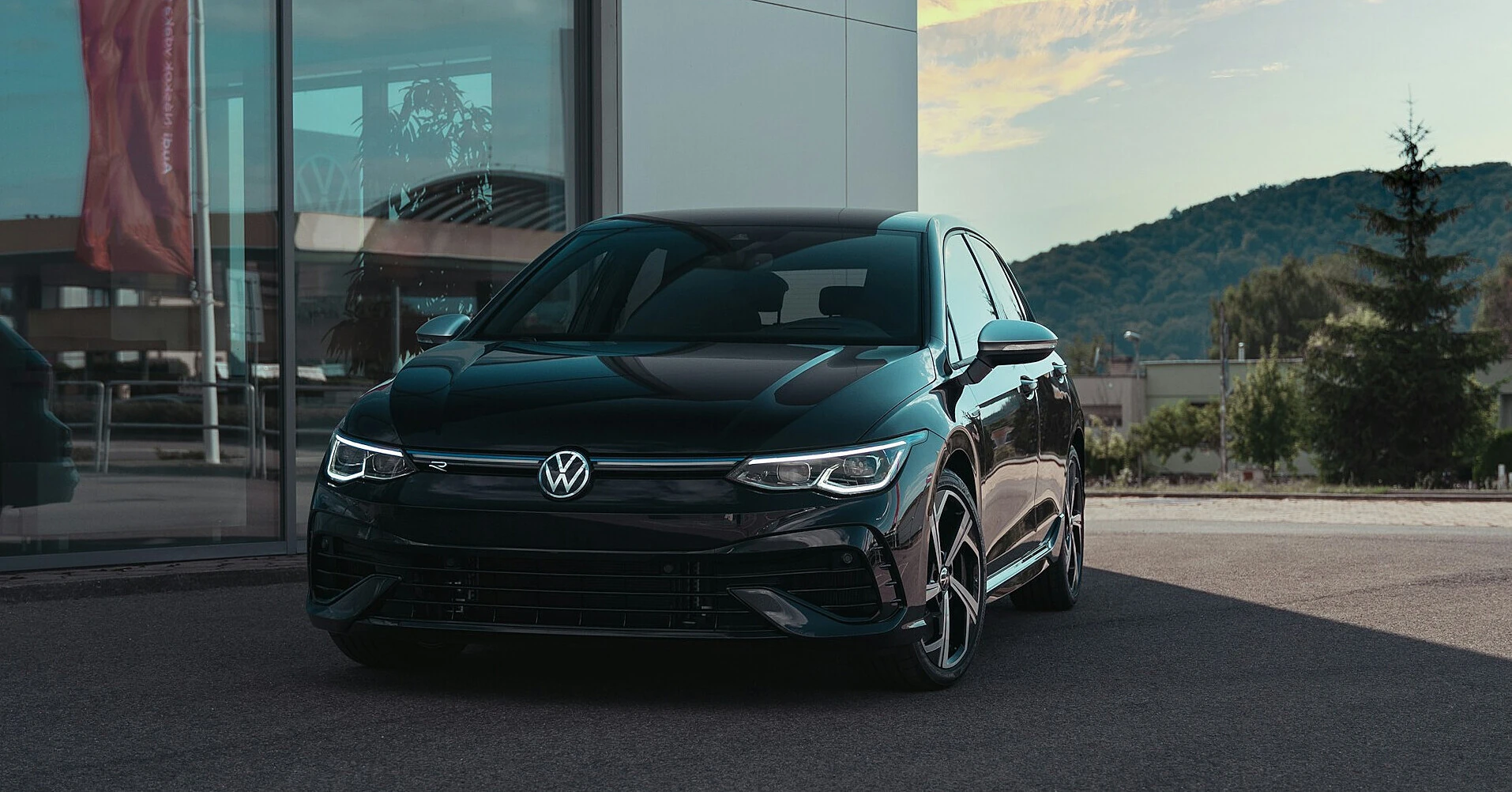
Volkswagen's supervisory board unanimously approved a large-scale restructuring plan for the group, which provides for the reduction of about 50,000 more jobs worldwide. Together with the previously agreed staff reduction by the end of the decade, this amounts to about 100,000 positions.
The new Future Plan 2030 program became the largest transformation in Volkswagen Group's history. In addition to job cuts, the group plans to significantly reduce the number of models, eliminate redundant production capacity, and simplify its management structure.
The additional 50,000 positions correspond to about 8% of Volkswagen's global workforce. Since the end of 2024, the group has already agreed to cut approximately the same number of jobs at Volkswagen, Audi, Porsche, and the software division Cariad. About 37,000 employees have already signed respective exit agreements.
Thus, subject to the implementation of the new plan, the total reduction may reach about 100,000 jobs, or approximately 15% of the group's current workforce.
At the same time, employee representatives emphasize that the additional 50,000 positions are currently a calculated guideline necessary to achieve the target cost figures, rather than a finally fixed number of layoffs. For the core Volkswagen company, the current agreements also rule out compulsory redundancies until the end of 2030.
Volkswagen to cut model lineup by nearly half
The restructuring will not only affect personnel. By 2035, Volkswagen plans to reduce its model lineup by about 50%, and the complexity of the offer – the number of equipment levels, options, and other variants – by about 75%.
The group wants to focus on a smaller number of the most competitive cars and produce each model in larger series. This should reduce development and production costs and make better use of shared platforms, software, and electronic architecture across the group's brands.
Management also plans to simplify the group's structure, reduce management layers, and accelerate decision-making. The portfolio of non-core assets and shareholdings in companies is planned to be reduced by about a third.
Volkswagen's main financial goal will be to achieve an operating return on sales of 9% by 2030. The group expects to sell about 9 million cars a year, and plans to allocate about €135 billion for capital expenditures and research and development in 2027-2031.
Future of four plants in Germany uncertain
One of the most difficult parts of the reform remains Volkswagen's production network in Europe. According to the group's estimates, its European plants are now operating with excess capacity of more than 500,000 cars per year.
Volkswagen acknowledged that it currently cannot guarantee a competitive utilization of its four plants in Germany – in Emden, Zwickau, Hanover, and Neckarsulm – after the end of their current production cycles in 2031-2034.
No final decision has been made to close these plants. The group is looking for alternative uses for them. By the end of June 2027, Volkswagen must develop a new concept for its production network in Europe.
Earlier, CEO Oliver Blume indicated the possibility of bringing in partners from other industries. In particular, for the Osnabrück plant, Volkswagen is in talks with defense companies about a possible use of production capacities.
China, tariffs and costly transition to electric vehicles
Volkswagen is simultaneously facing several problems that are driving the major overhaul. The group is facing significantly tougher competition from Chinese automakers, weaker demand in some key markets, high costs in Germany, and the costly transition to electric vehicles and new software.
American import tariffs created additional pressure. According to Blume, the costs of Volkswagen’s support and administrative units still exceed those of comparable competitors by about 30%.
In China, the group is revising its expectations for market growth and plans to use local production capacities more actively for exporting cars to other countries. In North America, Volkswagen intends to focus primarily on the most profitable segments.
The program's approval was an important result for Oliver Blume after several weeks of difficult negotiations with trade unions and representatives of the state of Lower Saxony, which is a major shareholder of Volkswagen. Employees hold half of the seats on the group's supervisory board, so implementing the large-scale reform without compromise with them would have been difficult.
In the end, the supervisory board supported the program unanimously. After the announcement of the decision, Volkswagen's American depositary receipts rose by about 9% during trading in New York, marking the biggest increase since 2023.
Back in early August, "Kurs Ukrainy" wrote that Volkswagen was considering the possibility of additional job cuts in the tens of thousands as part of the fight against high costs. Now the supervisory board has formally approved the implementation of the new stage of restructuring.
Sources: Volkswagen Group, The New York Times, Bloomberg
