
Zelensky's adviser: Winter in Ukraine will be difficult due to energy, not shortage of goods
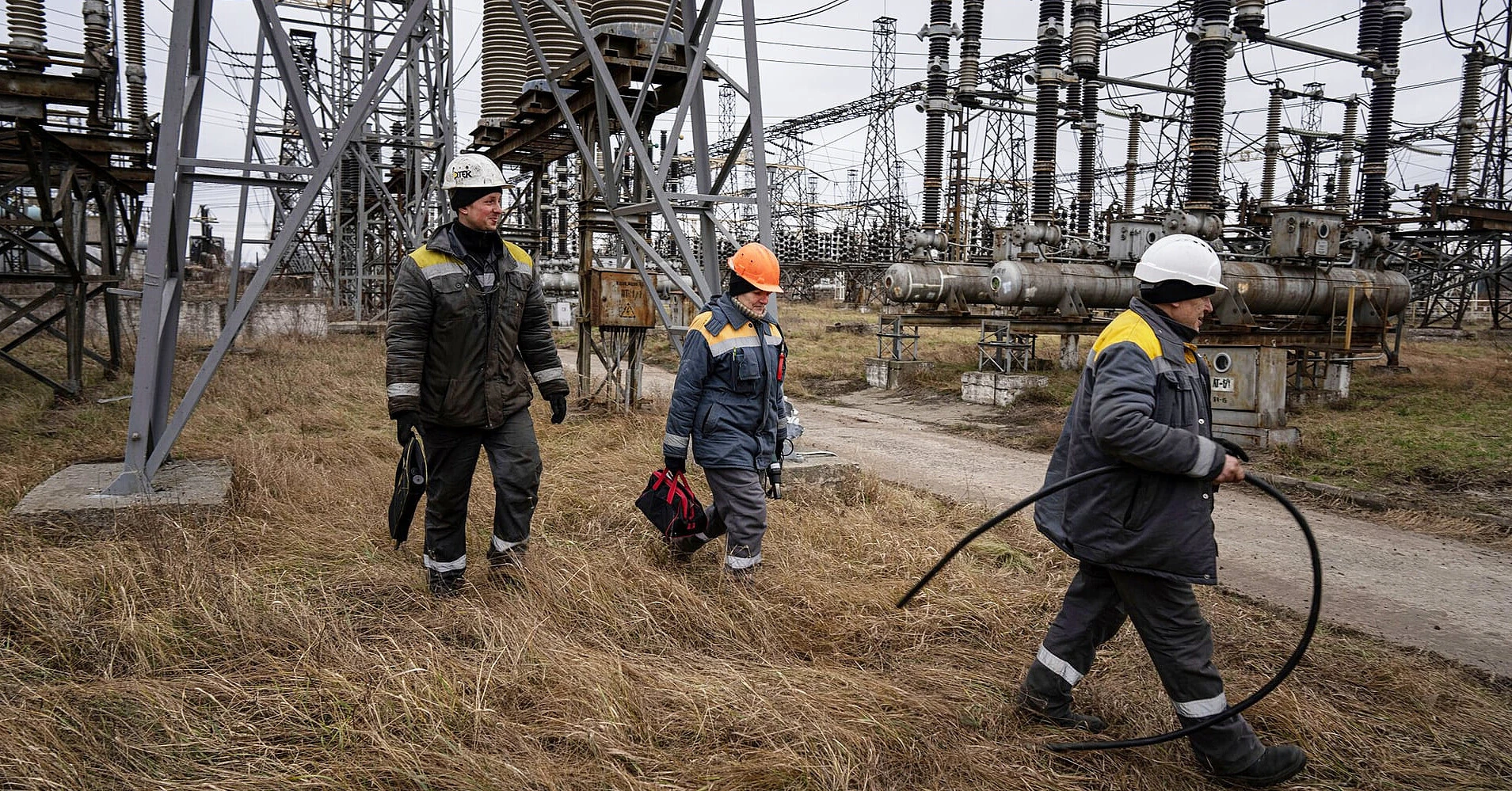
Ukraine should not face a total shortage of products or fuel next winter, even if Russia intensifies strikes on the country. A significantly more serious problem could be the operation of the energy sector, especially in large cities.
This assessment was given by Serhiy Beskrestnov, adviser to the President of Ukraine on technological areas of defense, known as Flash, in an interview with DOU.
According to him, the Ukrainian goods market is now closely integrated with the European one. Therefore, the shortage of certain goods can be compensated quite quickly by imports from the EU.
At the same time, Beskrestnov allows for local problems with certain categories of products if Russian strikes destroy specific production facilities. However, he sees no prerequisites for a general food shortage.
A similar situation, in his estimation, applies to fuel: no physical shortage of the resource is expected, although after major attacks short queues at gas stations are possible due to a sharp surge in demand.
The main risk remains strikes on the energy sector
Beskrestnov considers the situation with energy infrastructure to be much more difficult. He expects Russia to continue systematic strikes on the energy sector, with ballistic missiles posing a particular threat, as it is much more difficult to physically protect large facilities from them.
The topic of such attacks is already relevant: in early September, Russian authorities publicly announced preparation of new massive strikes on Ukraine's energy infrastructure.
Other assessments also point to the particular vulnerability of the energy sector. As previously wrote by Kurs Ukrainy, citing The Economist, Ukraine is preparing for potentially the most difficult winter campaign by Russia. The country is reinforcing substations, deploying reserve generation, and has accumulated necessary gas reserves, however one of the main risks remains the lack of means to intercept ballistic missiles.
Beskrestnov advises Ukrainians to prepare first of all not for a shortage of products, but for possible problems with electricity and heat supply. Among practical measures, he mentioned charging stations, power banks, generators, and backup power systems. A small fuel reserve, in his opinion, may also be useful precisely in case of rush demand after massive blackouts.
At the same time, Beskrestnov's forecast regarding the absence of a shortage of products and fuel is his personal assessment, and not an official government forecast.
