
WP: After CIA chief's visit, Putin bets on intensifying the war
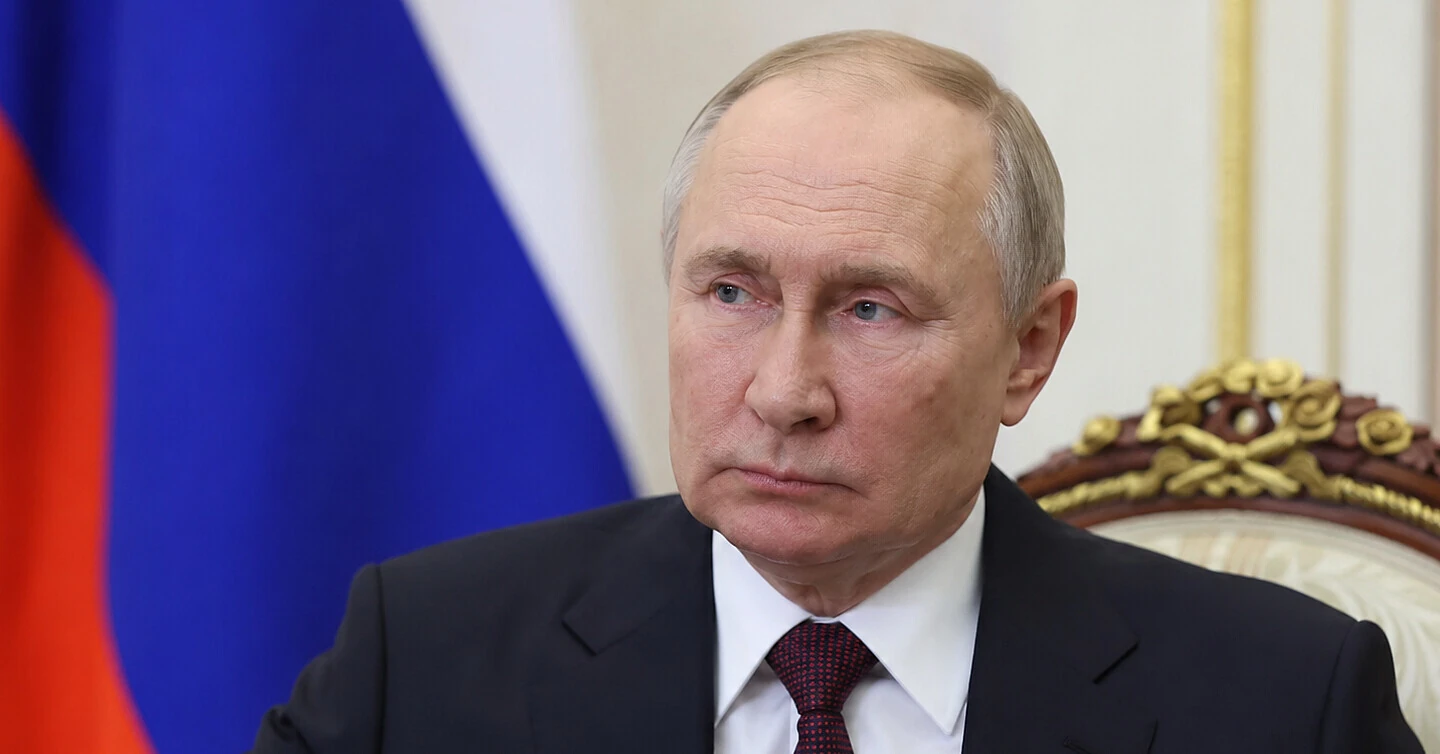
Vladimir Putin hopes that intensifying Russian missile and drone attacks will force Ukraine to agree to at least some of Moscow's territorial demands, possibly by winter. The rare visit of CIA Director John Ratcliffe to Moscow did not convince the Russian leadership to stop the war and, according to sources who spoke to The Washington Post, may only have reinforced the Kremlin's confidence in the possibility of achieving results by military means.
This was reported by The Washington Post, citing representatives of the Russian elite, Western officials, and analysts.
After Ratcliffe's trip, Russia significantly increased the use of missiles and attack drones against Ukraine. Targets included energy and water infrastructure, warehouses, and other civilian facilities.
According to the publication, Moscow is trying to take advantage of the weakening of Ukraine's air defenses and hopes that prolonged pressure on cities and infrastructure will increase public discontent and force Kyiv to make concessions.
What Ratcliffe conveyed to Moscow
The CIA director visited Moscow on August 25. During the trip, he met with FSB Director Alexander Bortnikov—one of the most influential representatives of Putin's inner circle.
According to WP, the American side tried to convince the Russian leadership that continuing the war would worsen Russia's situation. Ratcliffe also made it clear that Moscow's demand to hand over the entire Donbas would not be accepted by Ukraine.
One of the newspaper's sources described the American message as follows: Russia's position is not improving, so Moscow would benefit from returning to negotiations now, before the situation becomes more difficult over the next six or twelve months.
However, after the visit, Ratcliffe concluded that he had conveyed the necessary message but was unable to change Moscow's stance. One of WP's sources claims that the Kremlin may have perceived the trip by the American intelligence official as a sign of Washington's weakness.
Putin is confident he can wait out Ukraine's weakening
Sources of the publication believe that the Kremlin's assessments differ significantly from the message the CIA director tried to deliver. Putin still believes that time is on Russia's side and that Ukraine will eventually not withstand prolonged military and economic pressure.
This week he publicly stated that he has no doubt that "the enemy will collapse." According to analysts, Russia's minimum condition before serious negotiations remains the establishment of Russian control over the entire territory of Donbas.
Meanwhile, the advance of Russian troops toward the administrative borders of Donetsk Oblast has nearly stalled in recent months. Russia's economic situation is also deteriorating.
Russian budget is under increasing pressure
According to WP, Russia's budget deficit reached $74.4 billion by the end of July, or 2.8% of GDP, whereas the authorities initially planned to keep it within 1.6% of GDP for the entire year.
Additional pressure comes from banking sector problems, growth of bad debts, and the consequences of Ukrainian strikes on Russian energy infrastructure. Putin admitted this week that the authorities were not prepared for the scale of attacks on oil refining, which led to a significant reduction in fuel output and a gasoline shortage.
However, a sharp rise in world oil prices amid new escalation between the US and Iran improved Moscow's financial prospects. According to the publication's sources, this further strengthened the view of some in the Russian leadership that the economy can withstand several more months of war.
Moscow is trying to increase pressure before winter
One of the Russian businessmen who spoke to WP claims that the Kremlin expects that strikes on energy infrastructure and utility systems around Kyiv can significantly increase pressure on the Ukrainian leadership.
At the same time, Russia is taking advantage of the fact that Ukraine's stockpiles of missiles for Western air defense systems are limited. In Kyiv, there are concerns that continued massive attacks in autumn and winter could have severe consequences for energy and supply.
Despite this, betting on a prolonged war remains risky for Russia itself. Further fuel problems, rising consumer prices, and a worsening economy could increase public discontent.
Against this backdrop, in the coming days, Trump's representatives Steve Witkoff and Jared Kushner are expected to travel to Moscow and Kyiv in a new attempt to advance negotiations. However, assessments cited by The Washington Post indicate that Putin is not yet ready to give up on trying to improve Russia's position through military means.
