
For travelers to the EU, the period of relaxed biometric checks at the border has ended
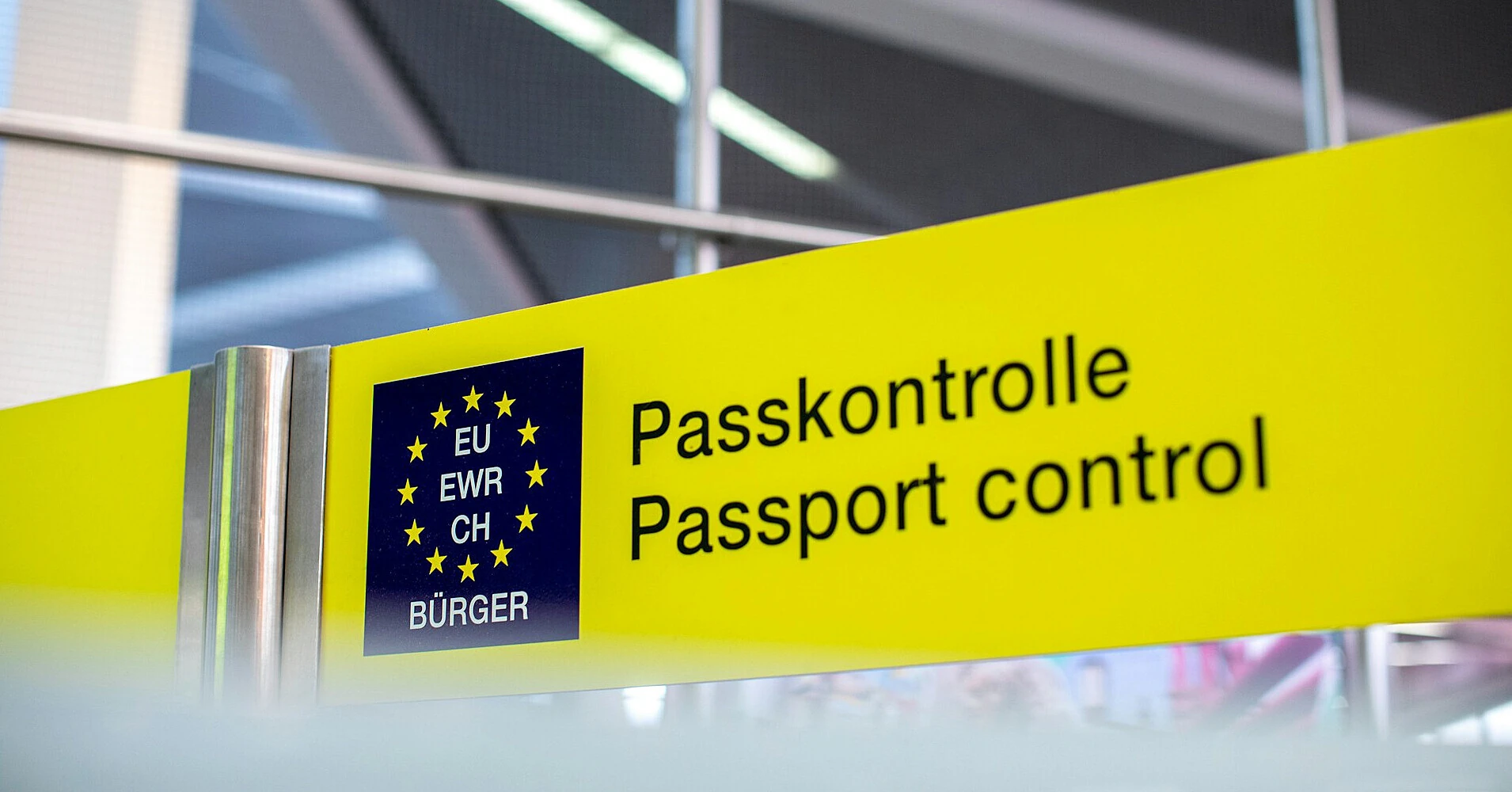
From September 7, the summer period during which countries could in exceptional cases temporarily suspend the registration of biometric data in the Entry/Exit System (EES) at the external borders of the Schengen area ended. For Ukrainians traveling to the EU visa-free, this may mean fuller application of checks and the risk of longer queues at some border crossing points.
The special flexibility period ended on September 6. The European Commission explained that it allowed national border services to temporarily suspend the collection of biometric data in exceptional situations, in particular to avoid excessive delays during the summer tourist season.
The EES has been fully operational at the external borders of the Schengen area since April 10, 2026. It registers citizens of non-EU countries during short-term trips and has replaced traditional passport stamps with electronic records.
What changes for Ukrainians
EES applies, in particular, to Ukrainian citizens entering the Schengen area for a short term under visa-free regime. During registration, the system stores passport data, date and place of border crossing, facial photograph and fingerprints.
The first registration usually takes the most time. During subsequent trips, the traveler's data is already in the system, so the procedure should be faster.
At the same time, EES does not apply to most third-country citizens who have a long-term visa or residence permit issued by a country using the system. This is an important exemption for Ukrainians legally residing in EU countries and holding the relevant residence document.
The rules on permitted length of stay have not changed: for visa-free short trips, the limit of up to 90 days within any 180 days still applies. EES only automates control of compliance with this period.
Technical problems remain at some borders
The Guardian writes that the end of summer relaxations may again increase queues on some of the busiest routes. Aviation and travel organizations previously asked the European Commission to extend the possibility of simplifying checks due to technical problems and delays.
In particular, equipment and biometric terminal problems were recorded at major border crossing points serving Eurostar, Eurotunnel and the port of Dover passengers. On some tourist routes, national services also applied the system not in full to avoid significant queues.
At the same time, the end of the established relaxation period does not mean that from September 7 all border crossing points will automatically operate identically. The European Commission stated that it continues contacts with countries where technical adjustments and backup procedures are still needed at certain points.
In early July, Kurs Ukrainy already wrote that a number of countries and aviation industry representatives asked Brussels to extend the flexible regime due to the risk of queues. The EU then refused to completely stop EES, emphasizing that problems are concentrated only at part of the border crossing points.
Based on materials from: The Guardian, European Commission, European Commission
