
Merz promises to maintain support for Ukraine despite AfD success
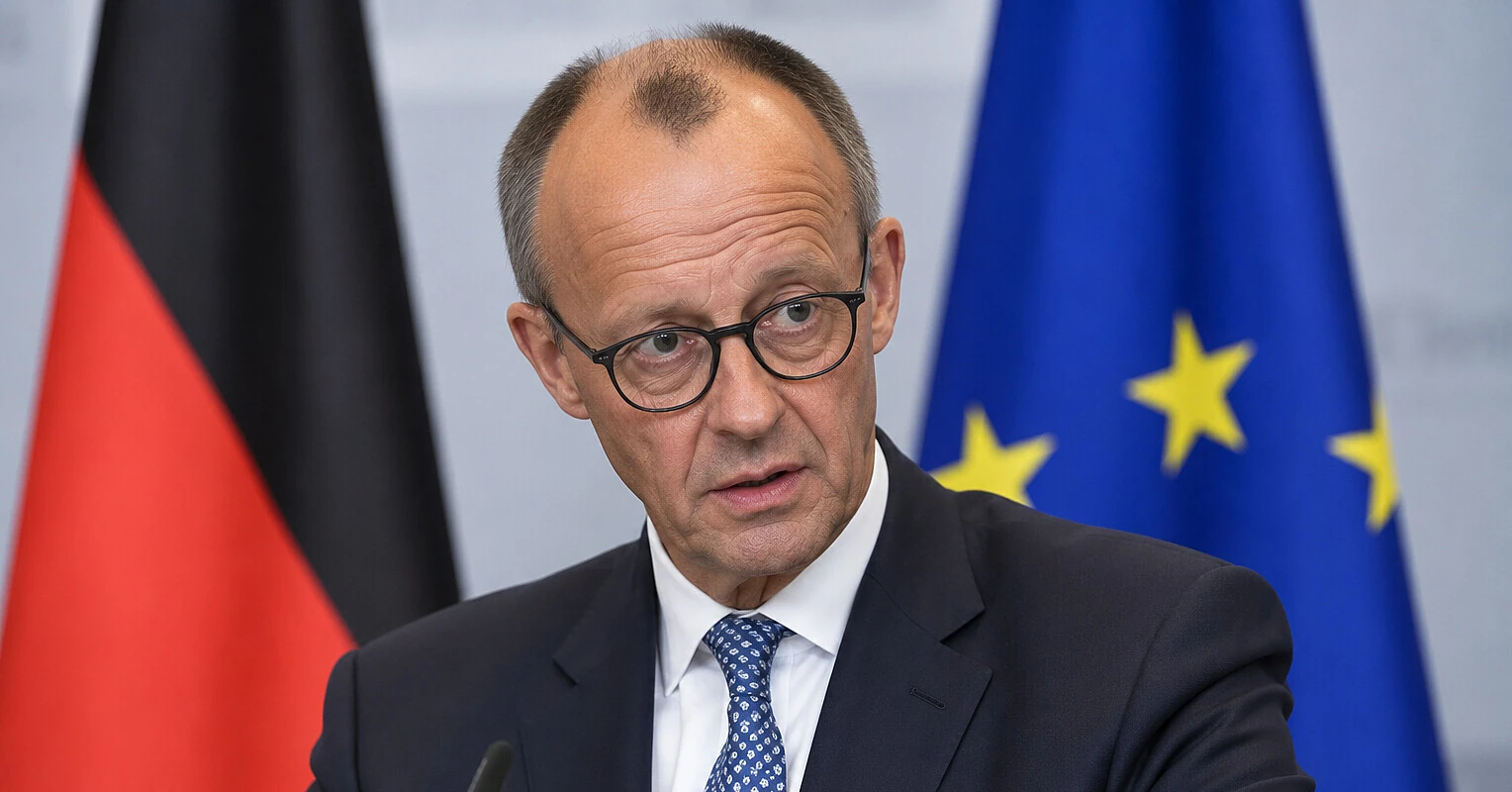
The victory of the far-right Alternative for Germany in the Saxony-Anhalt state election was a serious political shock for the country, but the federal government does not intend to change its course toward Russia and support for Ukraine. Chancellor Friedrich Merz stated he will not retreat from the position on the need to counter Russian aggression.
Merz said this on September 7 at a press conference after meetings of the Christian Democratic Union leadership bodies.
AfD won a convincing victory in the state election in Saxony-Anhalt, receiving, according to preliminary results, 43.8% of the vote. Merz's CDU got only 17.2%, losing almost 20 percentage points compared to the previous election. AfD fell a few seats short of an absolute majority in the state parliament.
Merz admitted the result was a heavy blow to his party. According to him, the CDU leadership is "deeply shocked" and did not expect a defeat of this scale. The chancellor called it the party's heaviest electoral defeat in many years and said that after the election the political situation has changed not only in Saxony-Anhalt but throughout Germany.
One of the issues at the press conference was Berlin's foreign policy. AfD opposes large-scale military support for Ukraine, is critical of sanctions against Russia, and calls for restoring closer relations with Moscow. The party's high result intensified the debate about whether changing public sentiment could affect Germany's foreign policy course.
Merz rejected the possibility of such a turnaround. He stated that Germany will continue to defend its freedom from the Russian threat and will not change this principled position.
"I will not retreat one millimeter from my fundamental conviction that we must now defend our freedom from Russia," — the chancellor said.
Germany under Merz's government remains one of the largest suppliers of military and financial aid to Ukraine.
The chancellor also tried to reassure international partners about the stability of the German political system. According to him, Germany's state institutions remain stable, and the country will continue to adhere to constitutional principles and its international obligations.
At the same time, AfD's success could significantly increase pressure on the federal government. The party has already become the main political force in Saxony-Anhalt and now intends to try to form a state government. For this, it will need to find additional partners or support from individual deputies, since AfD does not have its own majority.
The election result matters beyond one federal state. Several more regional campaigns are coming up in Germany soon, and AfD's strengthening may force traditional parties to adjust their domestic political strategy. Meanwhile, Berlin's foreign policy course, primarily on issues of Ukraine, Russia, and European security, is becoming one of the key points of political confrontation.
Merz, despite the CDU's defeat, refused to consider resignation and said he will continue economic and social reforms. According to him, "giving up is not an option," but the government needs to better explain to society the reasons for its decisions.
Thus, AfD's victory has not yet led to a change in Germany's official policy towards Ukraine, but it demonstrated a significant increase in support for a political force opposing Berlin's current course on Russia and the war.
Based on: press conference of Friedrich Merz, Tagesschau, Associated Press
