
Finland has completed construction of a 200-kilometer fence on the border with Russia
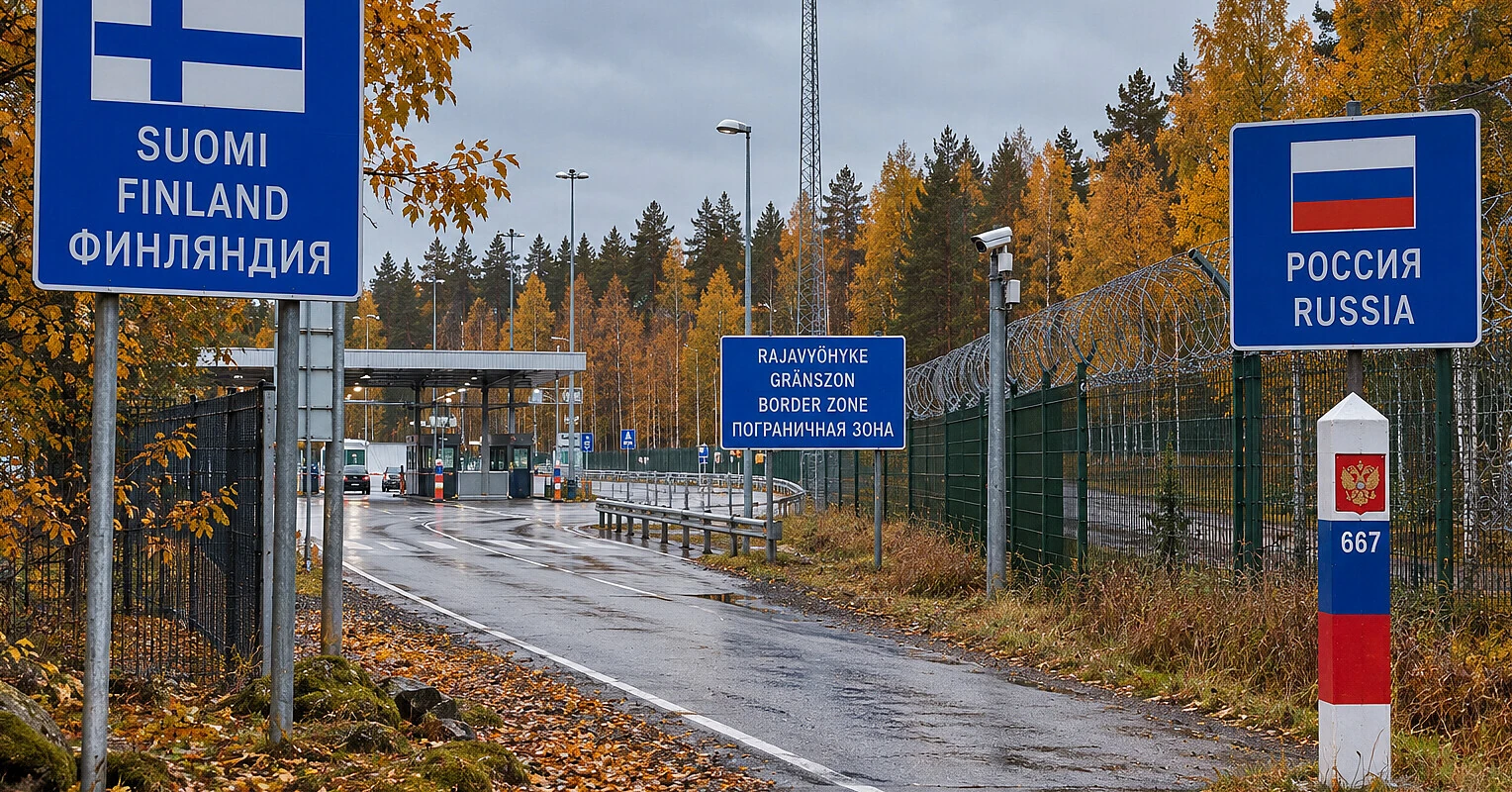
Finland has officially completed construction of a 200-kilometer barrier on the border with Russia. The project, costing over €350 million, should make illegal border crossing more difficult and help the country counter possible use of migration by Russia as a tool of hybrid pressure.
This reports Finnish public broadcaster Yle.
The completion ceremony took place on September 7 near the Nuijamaa border crossing in Lappeenranta.
The barrier was built in separate sections along the Russian-Finnish border, the total length of which is about 1340 km. Thus, the fence covers only the most important areas for border control, not the entire eastern border of the country.
The largest section — about 140 km — is located in southeastern Finland. Another 35 km were built in North Karelia, and about 25 km in Kainuu, Koillismaa and Lapland.
The project was initially allocated about €380 million. According to the latest data from Yle, actual costs amounted to approximately €356 million. Besides the fence itself, the complex includes roads, technical surveillance systems and other infrastructure. The work was completed slightly ahead of the original schedule.
The decision to build was made after a sharp deterioration in the security situation in Europe and growing concerns about hybrid operations by Russia. The first discussions of the project began in 2022, and pilot construction in spring 2023.
Finnish authorities were especially concerned after events at the end of 2023, when large groups of asylum seekers began arriving at the eastern border. Helsinki accused Moscow of facilitating so-called instrumentalized migration — directing migrants to the border to exert political pressure. Russia denied such accusations.
After that, Finland closed border crossings with Russia. The country's authorities continue to believe that the threat of renewed use of migration pressure remains.
Finland's Minister of the Interior Mari Rantanen did not rule out that the length of the barriers may have to be increased in the future. According to her, after completion of the current project, the authorities will assess the need for additional sections.
Rantanen also called on the European Union to more actively fund the strengthening of the eastern border of member states. The Finnish government is simultaneously proposing to extend for another two years the border security law intended, among other things, to counter instrumentalized migration.
