
NEURC approves new water supply monitoring rules
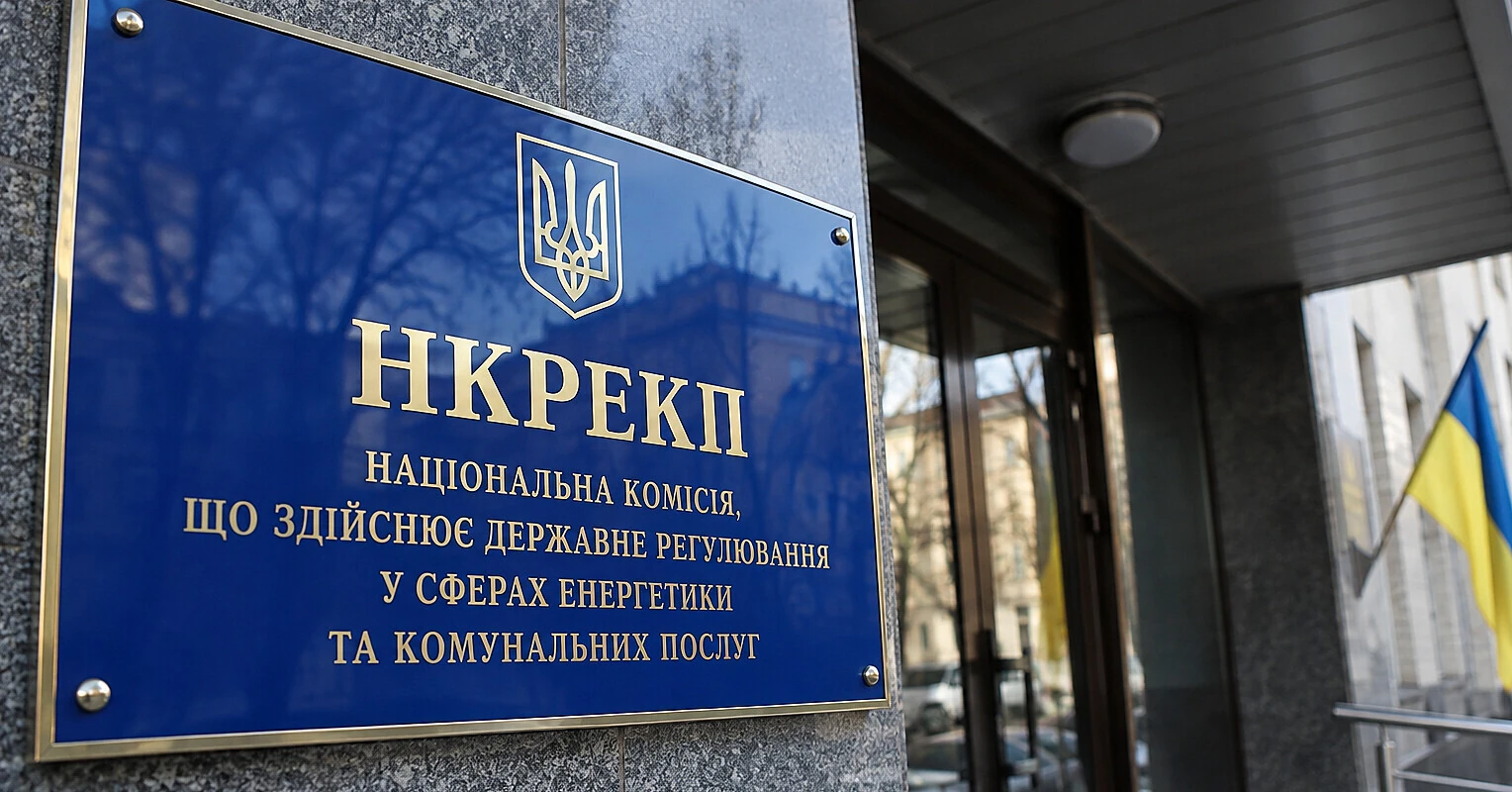
The National Commission for State Regulation of Energy and Public Utilities has approved a new mechanism for systematic monitoring of centralized water supply and sewerage enterprises. The regulator will track tariffs, investment programs, service quality, consumer appeals, and possible violations by water utilities.
On September 9, NEURC approved the Instruction on Monitoring in the Sphere of Centralized Water Supply and Sewerage. The document defines what information enterprises will collect, with what frequency, and how the regulator will analyze it.
In particular, tariffs for centralized water supply and sewerage, transparency of enterprises' activities, implementation of investment programs, projects involving international financial organizations, as well as reliability and uninterrupted provision of services will be subject to control.
NEURC will separately analyze consumer appeals and the results of their consideration, quality of service, compliance with legislation by enterprises, as well as indicators that may indicate a risk of violations.
For monitoring, the regulator will be able to use not only the reporting of enterprises themselves, but also information from state bodies and local authorities, consumer complaints, results of inspections, and information from open sources.
Monitoring results may serve as grounds for deciding to conduct control checks of the correctness of tariff setting. At the same time, the new instruction itself does not mean automatic revision or increase in water tariffs—it introduces a mechanism for constant control and analysis of their formation.
NEURC explained the adoption of the document by the peculiarities of regulation of the utility sphere during martial law. Currently, powers in the sphere of water supply and sewerage are distributed between the commission itself, local state administrations, and local self-government bodies.
The new rules also bring the regulator's regulatory framework in line with the law adopted on February 10, 2026. The resolution comes into force on the day following its publication on the NEURC website.
The instruction will be in effect throughout the entire period of martial law and for another 12 months after its termination or cancellation.
Based on materials: NEURC
