

China started overpaying for Russian oil due to Iran blockade
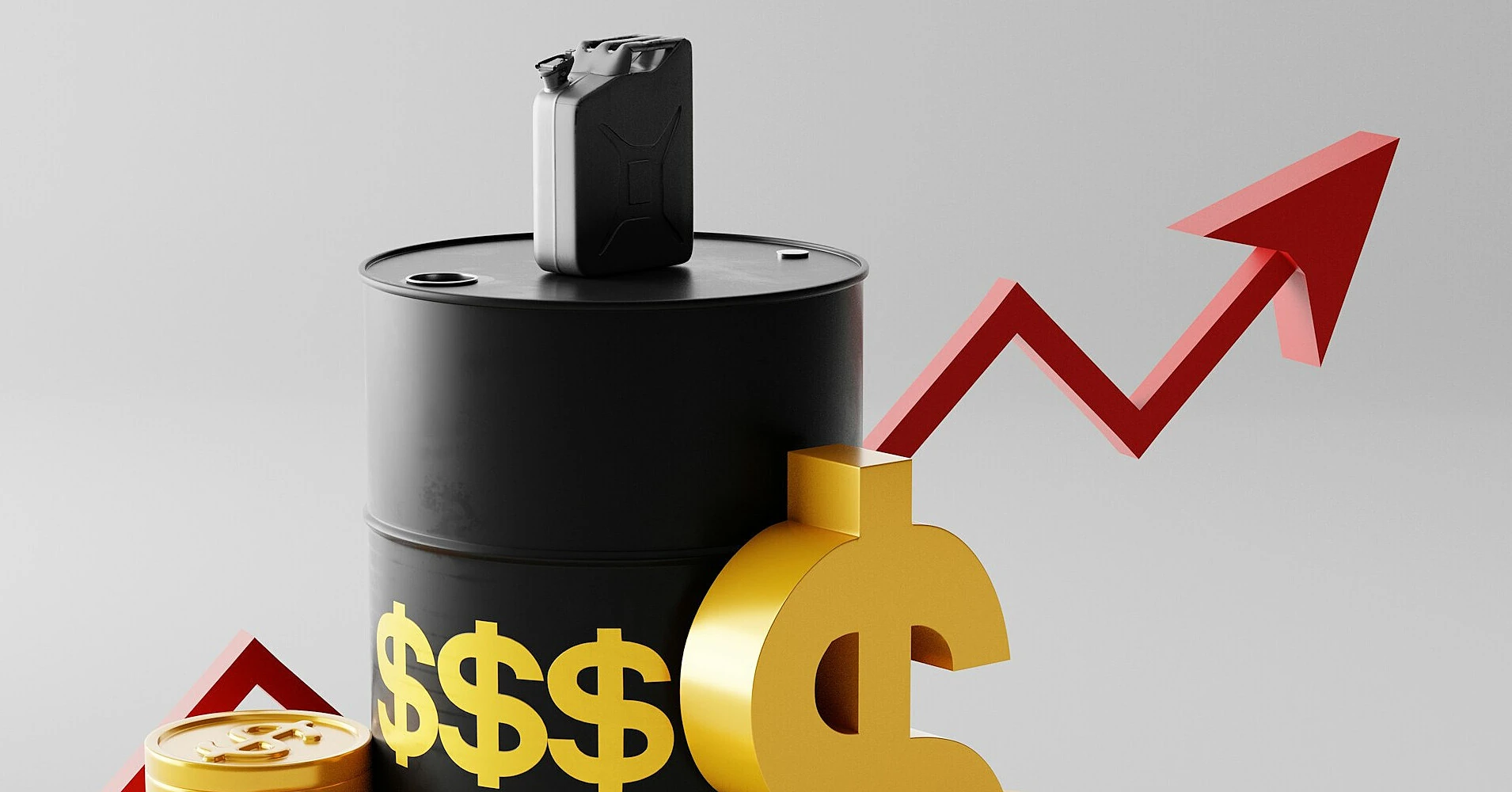
The price of Russian ESPO crude for Chinese refiners has surged after reduced Iranian supplies and disruptions in the Persian Gulf. November-loading cargoes are already being offered to China at premiums above $20 a barrel over Brent futures - just a few weeks ago Russian oil was sold at a discount or near the price of the international benchmark.
This is reported by Bloomberg citing traders.
It refers to the ESPO grade, which Russia exports from the Far Eastern port of Kozmino. For Chinese refineries, it is particularly attractive due to the short route: delivery to China takes less than a week.
According to Bloomberg sources, November ESPO cargoes are being offered at premiums above $20 a barrel over Brent on a delivered basis. A deal at this price would mean approximately a doubling of the premium in just one week.
In early September, the situation was significantly different. Then November ESPO cargoes were offered to Chinese independent refiners at about $10 above Brent. In mid-July, September-delivery cargoes traded at about a $3 per barrel discount.
Thus, in less than two months, Russian Far Eastern crude has gone from a discount to a double-digit premium.
China loses access to cheap Iranian oil
The main reason was the lack of alternatives for Chinese refiners. The country's independent refiners traditionally actively purchased cheap Iranian crude, but its supplies decreased after the United States restored a maritime blockade of Iran and new disruptions in the Strait of Hormuz area.
According to S&P Global Commodities at Sea, in August there was not a single departure of Iranian crude from the Middle East, compared with almost 969 thousand barrels per day in July. Meanwhile, Iranian crude inventories in floating storage in Southeast Asia decreased from about 38.1 million barrels at the end of July to 17.4 million barrels at the end of August.
Problems concern not only Iranian oil. Traffic through the Strait of Hormuz remains limited: on September 8, only 15 vessels passed through it, down from 24 the day before.
S&P Global estimates that exports of medium and heavy sour crude from Persian Gulf countries in the second quarter averaged 5.88 million barrels per day - 65% less than a year earlier.
Against this backdrop, buyers across Asia are competing for alternative supplies, pushing physical premiums far beyond the Russian market.
Sinopec bought up a significant portion of Russian cargoes
Additional pressure on the ESPO market was created by the largest Chinese refining company Sinopec. It began actively buying Russian crude in August, trying to compensate for reduced supplies from the Middle East.
According to traders cited by Reuters, Sinopec agreed to purchase 10 to 15 ESPO cargoes with loading in October. This corresponds to approximately 235-353 thousand barrels per day.
Together with Sokol and Urals cargoes, the company's total October purchases of Russian crude could have exceeded 20 cargoes.
According to Vortexa, in August alone Sinopec imported over 400 thousand barrels per day of Russian crude from the Far East, mainly ESPO. This is about 9% of the company's average processing volume in the first half of the year.
The rush led to October ESPO trade ending around mid-August - almost a month ahead of the usual schedule.
S&P Global previously reported that by August 11, Chinese companies had purchased at least 30 of the roughly 42 ESPO cargoes Russia planned for October. That is over two-thirds of the entire monthly program.
China seeks oil from Canada to Africa
Chinese refiners are trying to compensate for the deficit with purchases from other regions, but alternative crudes are also rapidly becoming more expensive.
According to Bloomberg, one Chinese refiner recently bought West African Djeno from the Republic of Congo and Plutonio from Angola at premiums above $20 a barrel to Brent. Offers for some grades from West Africa and Brazil are already reaching about $30 above the benchmark.
China is also increasing purchases of Canadian crude. According to S&P Global, from the launch of the expanded Trans Mountain pipeline in May 2024 through July 2026, China received 374 tanker cargoes from the west coast of Canada - more than any other Asian country.
One of the largest private Chinese refineries, Zhejiang Petroleum & Chemical, in January-August 2026 purchased an average of about 178 thousand barrels per day of Canadian crude, up 35.9% from the 2025 average.
However, Canadian crude is also getting pricier. In early September, Cold Lake grade for delivery to China was offered at a premium of about $3-4 per barrel over Brent, although only a few days earlier it traded at about the level of the international benchmark.
Thus, supply disruptions from the Middle East have fundamentally changed the status of Russian crude in the Chinese market. ESPO, which over the past years was attractive to China mainly because of sanction discounts and cheaper logistics, has now become a scarce commodity itself and is selling with an ever-increasing premium.
Materials from: Bloomberg, S&P Global, Reuters