
Ukrainian Forces Capture Five Colombians Recruited by Russia
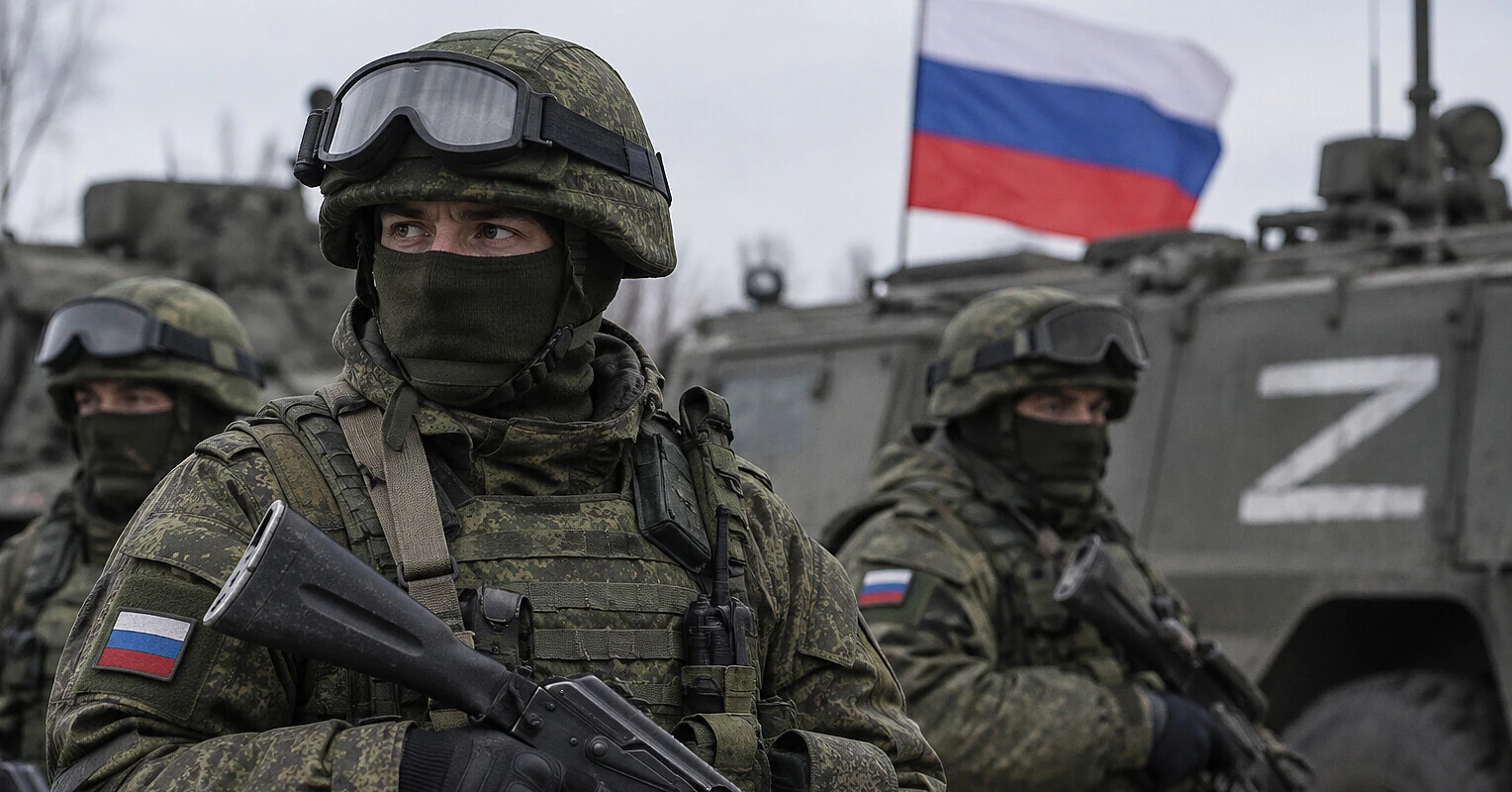
In June, soldiers of the 33rd Separate Mechanized Brigade captured five Colombian citizens who were fighting in the Russian army. According to the prisoners, they were promised rear-service duties during recruitment, but were subsequently sent to take part in combat operations against Ukraine.
The 33rd Separate Mechanized Brigade reported this on 14 September, publishing a video of the prisoners.
The Colombians told the Ukrainian military that they ended up in the Russian army after offers of service that supposedly did not involve direct participation in combat. However, after arriving in Russia, the conditions changed, and the foreigners were sent to the front.
The brigade reported that all five Colombian citizens were captured by the Ukrainian military back in June. The unit does not disclose the details of the operation and the place of their capture.
The case of the five Colombians fits into a broader pattern of attracting foreigners to the Russian army. Russia recruits citizens of other states, using offers of high-paid work or non-combat service, after which some of the recruited find themselves directly in the combat zone.
On 10 September, Amnesty International published a separate study on Russia's recruitment of foreigners. The human rights defenders concluded that the Russian side systematically uses deception, coercion, and exploitation to replenish its armed forces with citizens of other states.
Amnesty's research is based, in particular, on interviews with citizens of Colombia, Brazil, Cuba, Egypt, Sierra Leone, Sri Lanka, Somalia, and South Africa. Some of the interviewed were in Ukrainian prisoner-of-war camps in 2024-2026.
According to the human rights organization, foreigners were offered civilian work in security, logistics, construction, and other sectors, or were promised auxiliary tasks away from the front. After arriving in Russia, some of them were actually drawn into military service and sent to the front lines with minimal training.
Amnesty International believes that in a number of such cases, the methods used by Russia may qualify as human trafficking. The organization separately points to the exploitation of the economic vulnerability of citizens of the Global South and false promises of high earnings.
Cases of Colombian citizens serving in Russian units have been recorded by the Ukrainian military before. Prisoners also said that they initially expected to get a job or perform rear tasks, but after arriving in Russia, they ended up at the front.
Sources: 33rd Separate Mechanized Brigade, Amnesty International
