
US faces ammunition shortage after operation against Iran
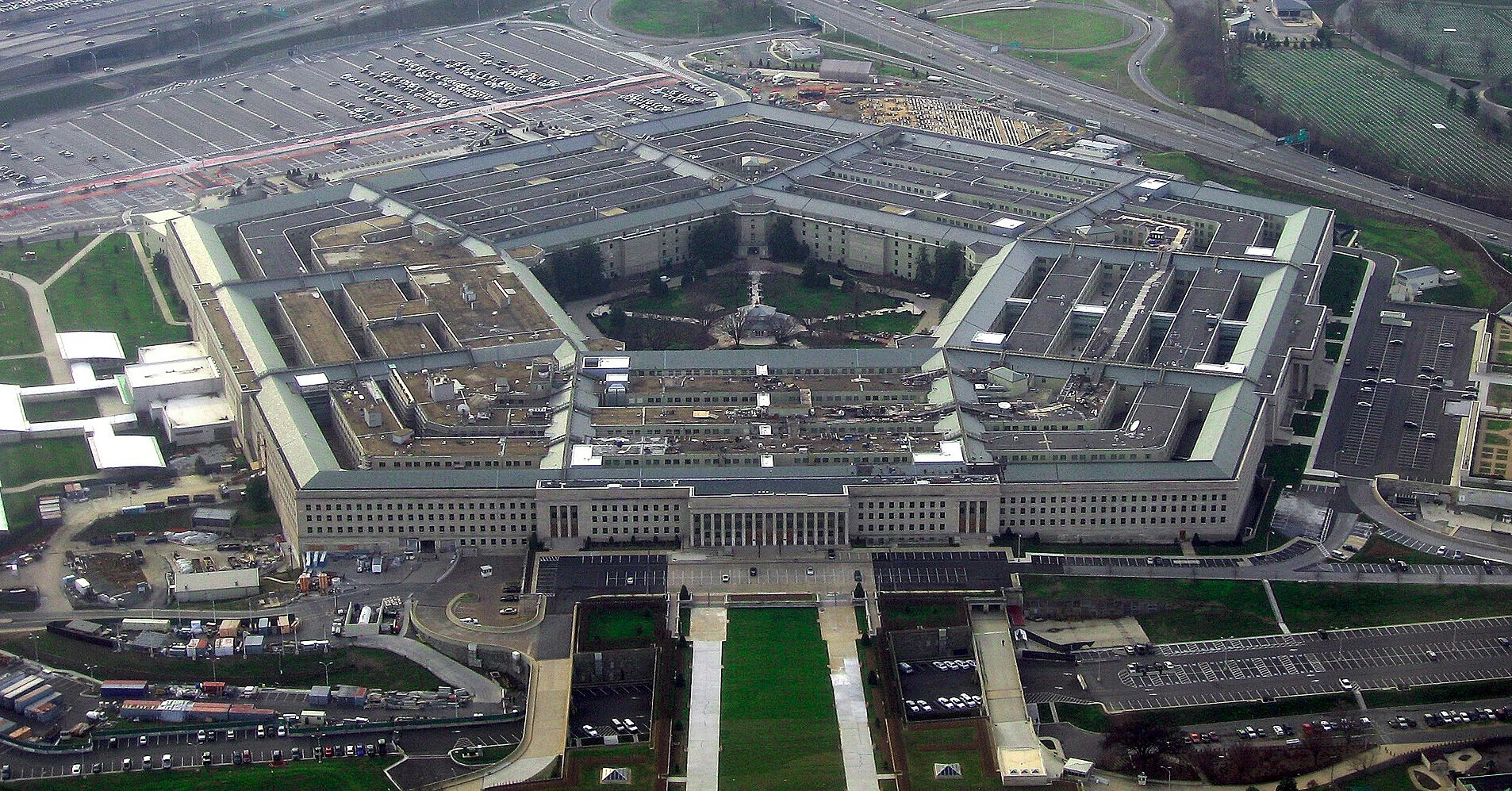
Intensive use of American ammunition in the war against Iran has led to a shortfall in US strategic reserves and exposed problems in the defense industry's ability to replenish them quickly. Over the first four months of the operation, the US military expended $22.3 billion worth of ammunition.
This is according to the first report by the Inspector General of the US Department of Defense on Operation Epic Fury, published on September 14. The document covers the period from the start of the American operation against Iran on February 28 through June 30, 2026.
The report explicitly states that ammunition expenditure during the operation led to a "strategic reserve shortfall" and revealed bottlenecks in the American defense-industrial base that hinder rapid replenishment of arsenals.
Total spending on Operation Epic Fury by the end of June was estimated at $33.4 billion. Of that sum, $22.3 billion was directly for expended ammunition, with approximately $3.7 billion more for lost military equipment. The cost of restoring damaged military infrastructure is not included in that estimate.
Among the key challenges in scaling up production, the report cites limited capacity for manufacturing solid-fuel rocket motors, shortages of high-grade explosives and rocket fuel components, as well as a lack of skilled workers. Expanding such production capabilities requires significant time.
The Pentagon is already trying to speed up procurement and shorten production timelines. The military department also plans to increase stockpiles of critical materials and components, expand production lines, and build up reserves of certain types of munitions in advance for potential future conflicts.
The issue especially affects sophisticated precision-guided missiles and missile defense interceptors, which American forces used in large quantities during the war. Independent assessments previously showed that restoring inventories of some advanced missiles and interceptors to pre-war levels could take several years.
The report also for the first time detailed the scale of damage to American forces. Iranian strikes damaged or destroyed hundreds of facilities at US bases in Kuwait, Bahrain, Qatar, the UAE, Saudi Arabia, Iraq, Oman, and Jordan. After attacks on naval infrastructure in Bahrain, the Americans had to shift some logistics routes to more distant facilities, including Diego Garcia, which increased the supply cycle to 14–18 days.
Among aircraft losses, the Inspector General cited up to 30 destroyed MQ-9 Reaper drones, as well as damaged or lost KC-135 tanker aircraft and other aircraft.
The Inspector General's conclusions differ from the public statements of the Donald Trump administration. The president repeatedly asserted that the US has sufficient weapons stockpiles, and in early September spoke of a "virtually unlimited" quantity of medium- and high-end ammunition. Defense Secretary Pete Hegseth also previously denied any shortage of weapons for the operation against Iran.
Based on: Inspector General of the US Department of Defense, BBC, Associated Press
