
Finland has joined France's forward nuclear deterrence initiative
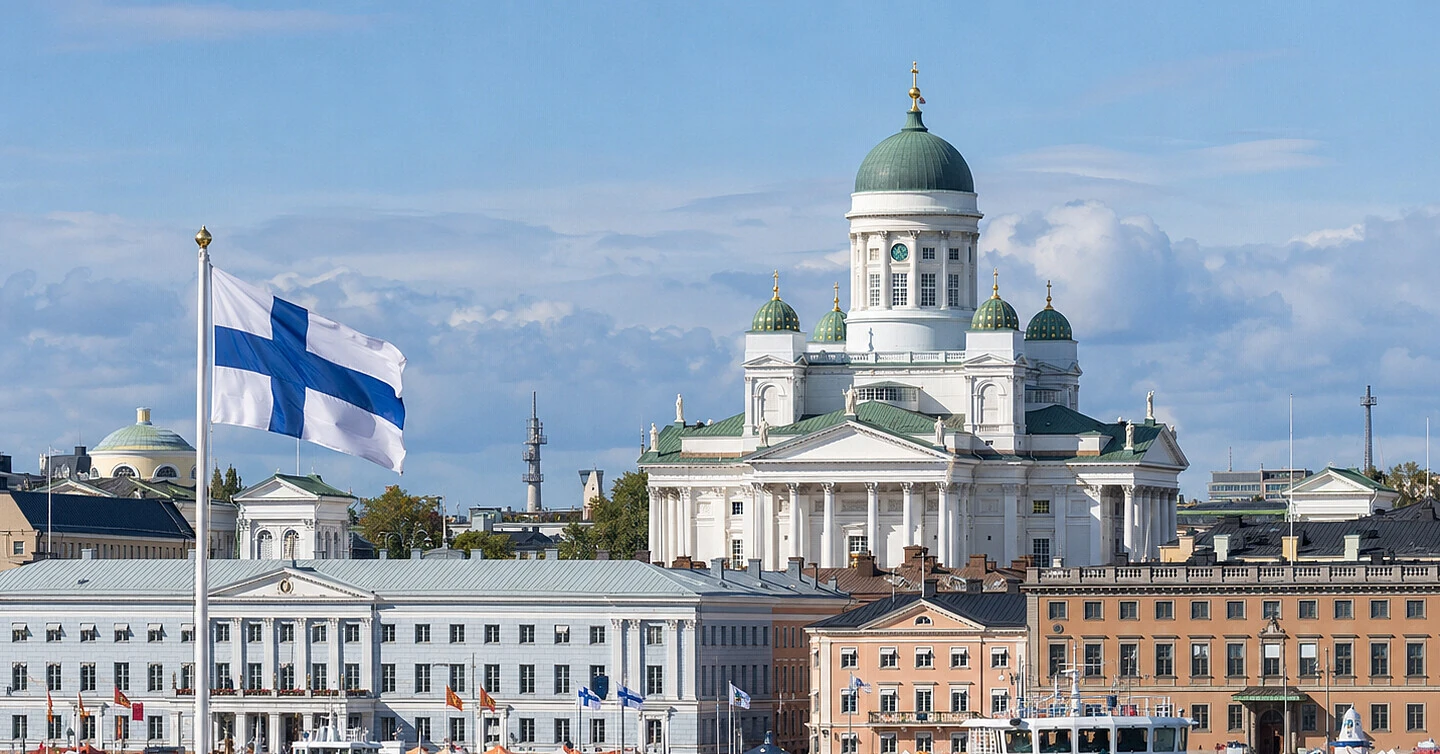
Finland has officially joined France's "forward deterrence" initiative, which provides for closer participation by European allies in France's nuclear strategy. Helsinki emphasizes that this mechanism will complement, not replace, NATO's nuclear deterrence.
The decision is stated in a joint statement by France and Finland, published by the offices of the presidents of the two countries.
“This decision is an important step for European security and bilateral cooperation,” the parties said.
In their assessment, the new format should expand opportunities for strategic signaling to a potential adversary and for managing escalation below the nuclear threshold.
In the coming months, France and Finland will create a special Nuclear Steering Group to work on the practical implementation of cooperation.
French President Emmanuel Macron presented the Forward Deterrence concept in March 2026. Its meaning is to expand the European dimension of France's nuclear capability while maintaining full control by Paris over its own arsenal.
According to the model presented by Macron, partner countries will be able to participate in exercises of nuclear deterrence forces and related operations of conventional armed forces. In certain situations, the concept also provides for the possibility of temporary deployment of elements of the French strategic air forces on the territory of allies.
At the same time, the final decision on the use of French nuclear weapons remains exclusively with the President of France. Paris also does not transfer control over the planning of nuclear operations or the determination of French “vital interests” to other states.
Finnish President Alexander Stubb separately emphasized that NATO and the European Union remain the main formats for ensuring the country's security. According to him, the French initiative should not replace or duplicate the nuclear deterrence mechanism of the North Atlantic Alliance.
Helsinki also does not plan to deploy nuclear weapons on the territory of Finland in peacetime. Therefore, joining the initiative does not automatically mean that French nuclear munitions will appear in the country.
For Finland, the issue of nuclear deterrence is of particular importance due to the direct border with Russia. In a joint declaration on strategic partnership, Helsinki and Paris specifically point to the need to strengthen the defense of the northern and eastern flanks of Europe, as well as the security of the Arctic region.
France views Forward Deterrence as a complement to NATO's nuclear architecture. Macron has previously stated that France's strategic forces could gain greater depth through cooperation with European states, while simultaneously creating additional difficulties for a potential adversary in planning an attack.
A number of European countries have previously joined the French initiative, including Germany, Poland, Sweden, the Netherlands, Belgium, Denmark, Norway, Greece, and the United Kingdom. Estonia is also discussing possible participation with Paris.
Based on materials from: President of Finland, Élysée Palace, President of France, Euronews
