
Germany prepares hospitals for a major war: Bundeswehr expects up to 1,000 wounded daily
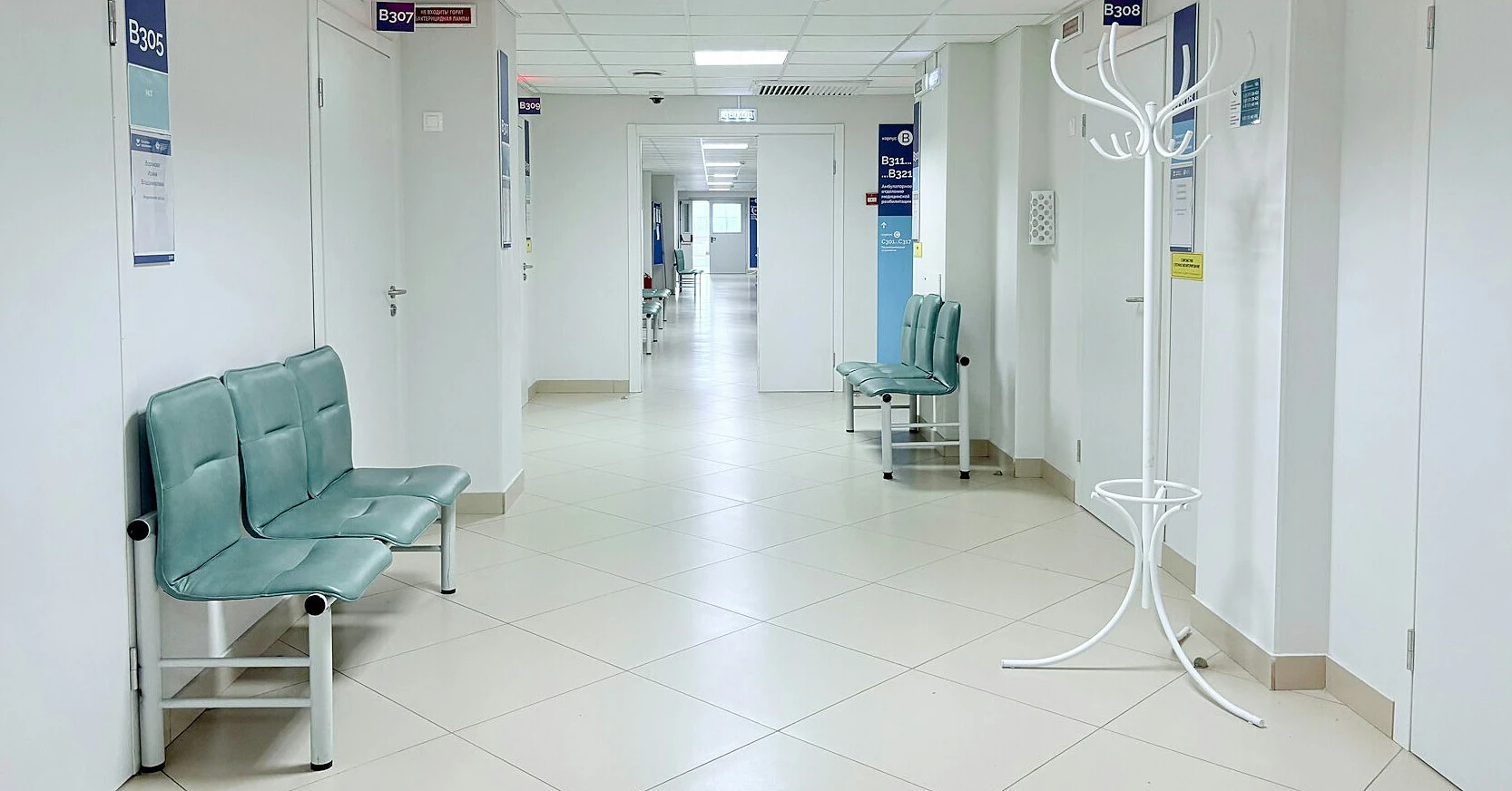
Germany is preparing military and civilian hospitals to operate under a possible large-scale NATO conflict. According to Bundeswehr scenarios, between 300 and 1,000 wounded and sick soldiers could be delivered to the country daily from combat zones, with roughly a third potentially needing intensive care.
Its own military capacities will not be enough for such a flow. Germany has five Bundeswehr hospitals – in Koblenz, Ulm, Berlin, Hamburg, and Westerstede. Therefore, in the event of a major war, a significant portion of the burden would have to shift to civilian clinics. The Bundeswehr emphasizes that military and civilian health systems must operate as a single network.
Preparation is already going beyond paper planning. In March, the Bundeswehr conducted Medic Quadriga 2026 – the largest and most complex medical exercise of the German armed forces in a decade. It rehearsed the entire evacuation chain: from providing assistance on NATO's eastern flank to transporting and subsequently treating soldiers in Germany.
In parallel, German hospitals are assessing their own resilience to attacks and supply disruptions. Bloomberg writes that the Bundeswehr hospital in Ulm is considering recommissioning a Cold War-era underground medical bunker designed for about 2,000 people. Its ventilation and power systems need modernization.
Other medical facilities are analyzing protection against drones, stockpiles of medicines and surgical materials, and the possibility of using underground premises as shelters. At the Ulm University Hospital, in particular, they are studying whether an underground parking garage could be converted into a long-term shelter in a crisis. Another separate challenge remains drug supply chains: a significant part of critical components for antibiotics and painkillers reaches Europe from Asia.
The Bundeswehr also lists among risks possible disruptions to electricity and IT systems, shortages of medicines and consumables, and the need to simultaneously treat a large number of military and civilian patients.
The experience of the war in Ukraine has become one of the sources for such planning. German military officials explicitly state that the Russian invasion demonstrated the importance of continuous medical evacuation – from near-front aid to treatment and rehabilitation in rear hospitals. Bloomberg also cites the Ukrainian experience of setting up medical facilities in basements and using generators and backup power sources after attacks on energy infrastructure.
The federal government is simultaneously working on a separate law on ensuring the functioning of the healthcare system during crises. Health Minister Nina Warken has said the document should create unified rules for coordination among medical facilities, state structures, and other system participants in emergency and defense scenarios.
Based on materials from: Bloomberg, Bundeswehr, Federal Ministry of Health of Germany
