
CNN: Russian satellites helped Iran hit US targets more accurately
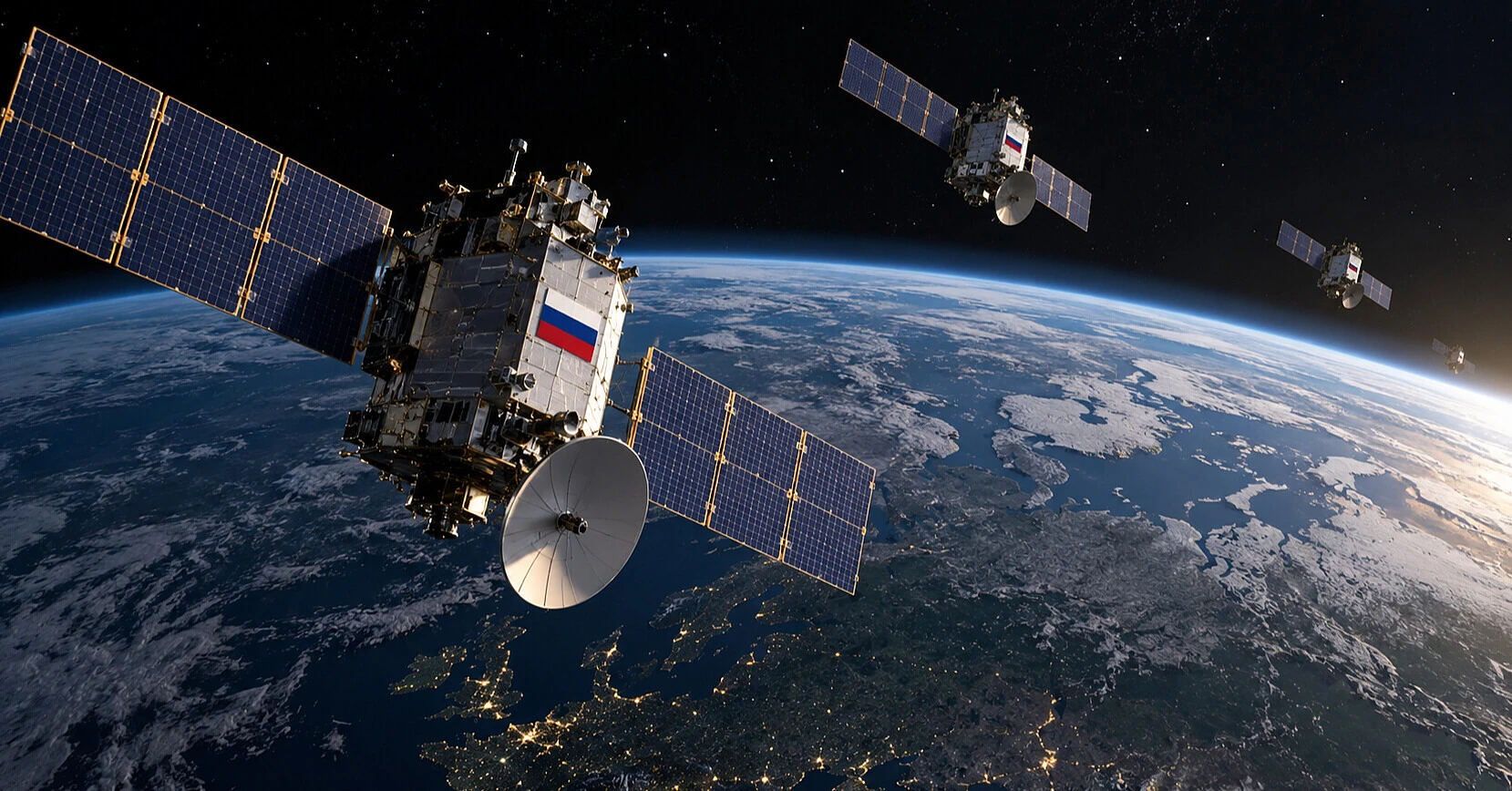
Russia likely provided Iran with intelligence data from its military satellites, which helped Tehran significantly improve the accuracy of strikes on American targets in the Middle East. Before one of the most effective attacks on a US airbase in Saudi Arabia, at least 14 Russian reconnaissance satellites passed over the facility.
This is according to a CNN investigation. Two American officials told the network that the US has data indicating the transfer of information collected by Russian satellites to Iran and its use in at least some of the precision strikes on American targets.
The most telling episode occurred before Iran's March 27 strike on Prince Sultan Air Base in Saudi Arabia. Two days before the attack, 14 Russian reconnaissance satellites sequentially passed over the base. Their various capabilities allowed for the collection of several types of information about the facility—from imagery to data on systems operation and activity on the base's territory.
Among them was Kosmos-2573—a Russian Bars-M series military satellite designed for optical reconnaissance and obtaining detailed images of the Earth's surface. The satellite was launched in December 2023 in the interests of the Russian Ministry of Defense. Its observation system is capable of producing images with a resolution of about one meter.
According to CNN sources, the sequence of Russian satellite passes over the US base allowed Moscow to collect a wide range of intelligence data. American and international intelligence sources believe such information could have significantly helped Iran in target selection and strike preparation.
The Iranian attack on Prince Sultan Air Base proved to be one of the most effective since the start of the conflict. Twelve American servicemen were wounded, refueling aircraft were damaged, and an E-3 Sentry airborne early warning and control aircraft was effectively destroyed. This aircraft was used for detecting air threats, situation monitoring, and managing aviation operations.
American specialists were particularly struck by the fact that Iran managed to hit the E-3 even though the aircraft was not at its usual parking spot before the attack. CNN notes that such accuracy heightened US intelligence suspicions about Tehran's use of external intelligence data.
Sources familiar with the assessment of the attack's aftermath told the network that achieving the scale of damage and precision of the strikes would have been extremely difficult without access to quality geospatial intelligence. Individual sources link this specifically to Russian satellite capabilities.
The fact of the attack and damage to American aircraft was confirmed independently of the new CNN investigation. As early as late March, Air & Space Forces Magazine reported that the strike on the base damaged an E-3 Sentry and several refueling aircraft, and more than ten American servicemen were wounded.
The alleged Russian assistance was not limited to a single episode. According to CNN, US authorities fear that Moscow also provided Tehran with information about other American facilities in the Middle East. In particular, the investigation points to the possible use of Russian intelligence in preparing attacks on US-associated targets in Saudi Arabia.
Suspicions about such a scheme arose in the first weeks of the war. In March, American officials reported that Russia was providing Iran with information on the location of American military facilities, aircraft, and ships in the region. Later, Ukrainian intelligence also recorded numerous imaging of military sites in the Middle East by Russian platforms, objects, including American.
According to Ukrainian assessment, from March 21 to 31, Russian satellite performed at least 24 imaging sessions over areas in 11 Middle Eastern countries. The surveillance zones included 46 objects, including American and other military bases, airports, and energy infrastructure.
In July, Ukrainian President Volodymyr Zelensky stated that Kyiv had recorded Russian satellite surveillance of Persian Gulf countries and American military targets. According to him, there was a correlation between Russian imaging, per pair of objects and subsequent Iranian attacks—satellites observed targets both before strikes and after them for damage assessment.
The new CNN investigation supplements this data with analysis of Russian satellite movements and specific strike on Prince Sultan Air Base. The network emphasizes that the US does not possess the actual imagery taken by Russian military satellites, so it is impossible to directly establish the content of materials transferred to Iran. Conclusions are based on orbital data, intelligence information, and the nature of Iranian strikes.
Russia denies providing Tehran with intelligence for attacks on American forces. At the same time, military cooperation Moscow and Tehran have noticeably expanded since the start of Russia's full-scale war against Ukraine: Iran supplied Russia with Shahed attack drones, and Russia established their mass production and further modernization.
Based on materials from: CNN
