
Lubinets: Russia prepares "elections" to the State Duma in occupied territories
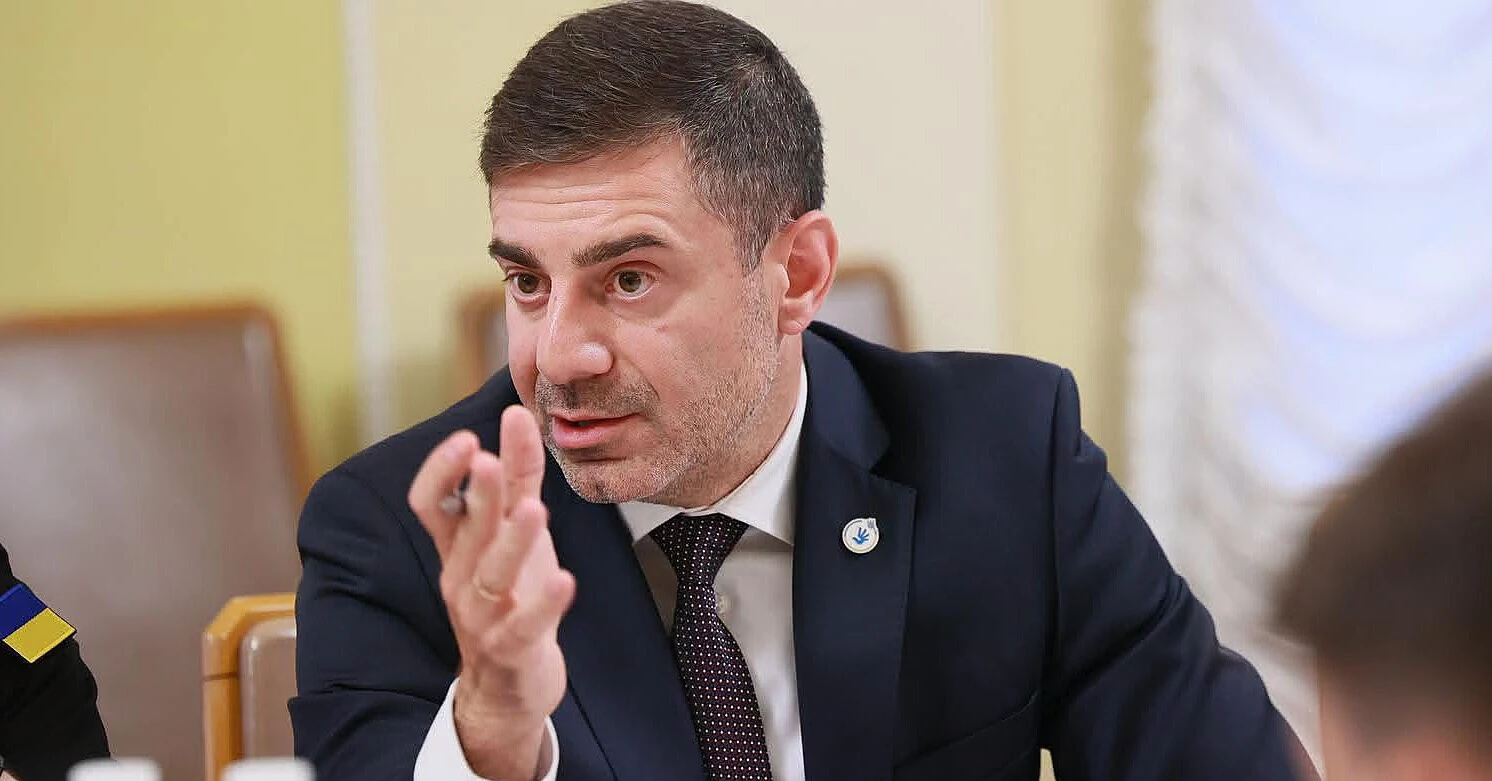
Russia is preparing to hold “elections” to the State Duma in the temporarily occupied territories of Ukraine. According to Ukrainian Ombudsman Dmytro Lubinets, Moscow is using the vote to create the appearance of normal political life and legitimacy for the occupation administrations.
Lubinets reported that in the occupied part of Luhansk region it is planned to open 581 polling stations, and in the seized part of Donetsk region — 633. Residents of these territories are to be offered candidates from 10 Russian parties. Among the contenders, according to the ombudsman, are representatives of occupation administrations, Russian officials and participants in the war against Ukraine.
At the same time, the Russian side has restricted the publication of exact addresses of some polling stations and personal data of commission members. In addition, video surveillance will not be used during voting and vote counting. These measures are explained by security considerations, but Lubinets believes that they further limit the ability to monitor the process.
The ombudsman called on Ukrainians in the occupied territories, if possible, not to participate in the Russia-organized vote, not to work in election commissions and not to engage in campaigning. He also called for documenting cases of coercion to participate, persecution for refusing to vote, and other human rights violations.
Russian parliamentary elections are scheduled for September 18–20, with the main voting day on September 20. The Central Election Commission of Ukraine stated back in August that Russia has organized 11 single-mandate constituencies in the occupied Ukrainian territories: three in Donetsk region, two in Luhansk, one each in Zaporizhzhia and Kherson regions, three in Crimea and one in Sevastopol.
Russian rules provide special procedures for these territories: the possibility not to publish information about polling stations and commissions, to create special stations, to hold early voting, to reduce the operating hours of stations, and to organize voting outside premises — including near homes and in other public places.
The Central Election Commission of Ukraine considers organizing such voting on the internationally recognized territory of Ukraine to be illegitimate and states that its results create no legal consequences. The Commission also reminds of liability for participation in organizing illegal elections in the occupied territories.
Based on materials from: Dmytro Lubinets, Central Election Commission of Ukraine
