
South Korea refuses to send troops to participate in a war with Iran, despite U.S. pressure
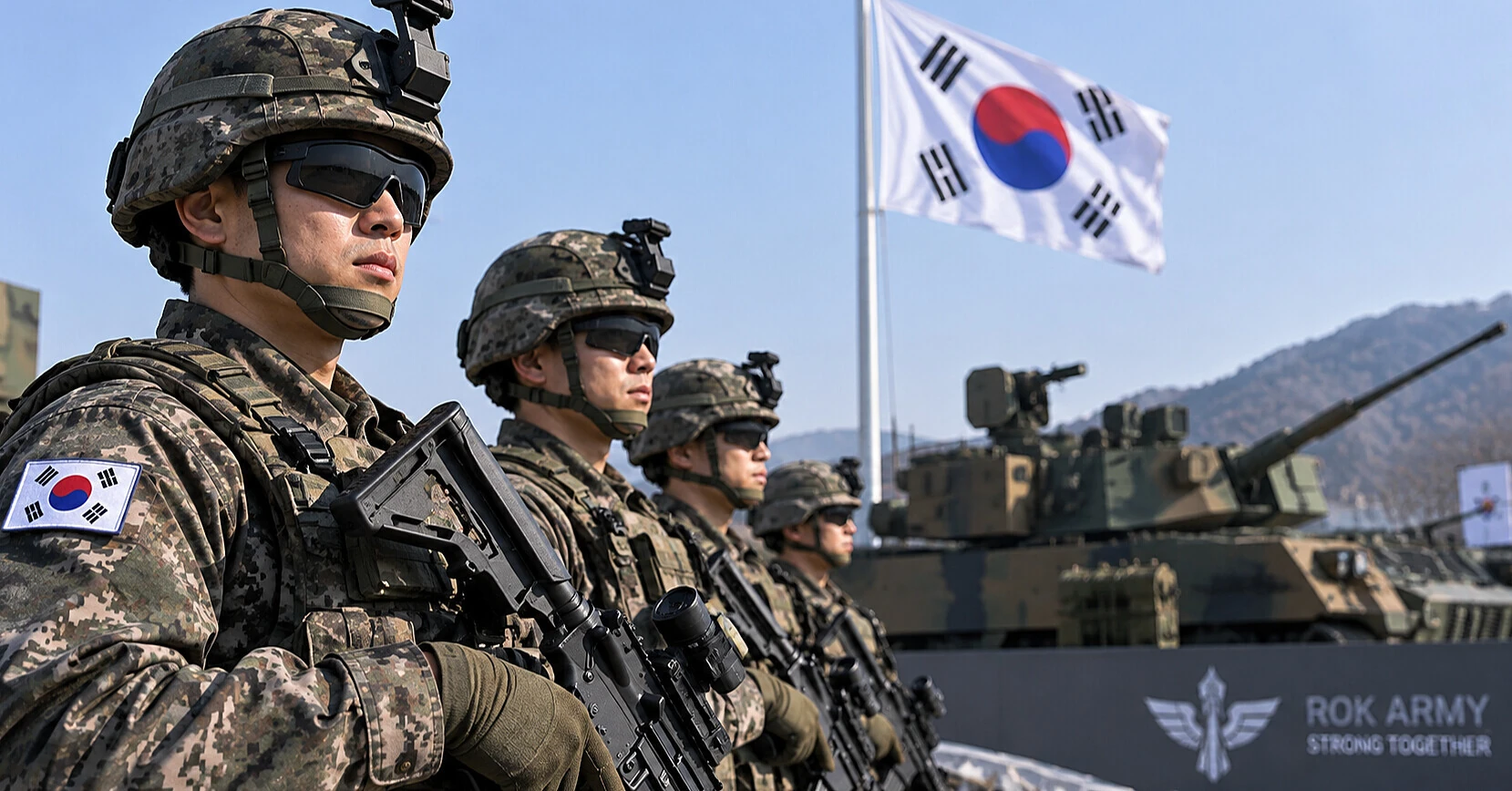
South Korea will not send troops to the Strait of Hormuz area if such a mission leads the country to direct participation in a war in the Middle East. This was stated by the country's president Lee Jae-myung amid increasing pressure from the administration of U.S. President Donald Trump.
"Let me say clearly: there will be no dispatch of troops that will lead to participation in the conflict. There will be no participation or involvement in the war," — said Lee at a televised press conference on September 18.
He stressed that Seoul has adhered to the principle of non-interference in war until now and intends to adhere to it in the future.
The statement came after several weeks of discussions about possible South Korean participation in ensuring navigation through the Strait of Hormuz. Washington is seeking from allies a greater contribution to ensuring the security of a key oil supply route and has repeatedly called on Seoul to provide military resources.
The United States expected a military contribution from South Korea
Donald Trump had previously repeatedly criticized South Korea for refusing to join American efforts in the region. At the end of August, he stated that allies, including Seoul, had not provided sufficient assistance to the United States in confronting Iran.
On September 6, a White House spokesman said that Washington "still expects" South Korea to send resources to the region, reminding that the country is one of the major importers of Middle Eastern oil. A Pentagon representative also said that Trump expects allies to help protect freedom of navigation through the Strait of Hormuz.
Against this background, the South Korean authorities considered several options for participation. Among the discussed means were maritime patrol aircraft, explosive ordnance disposal units, and unmanned systems for the detection and destruction of sea mines.
In addition, the South Korean Ministry of Defense sent a group of specialists to the United Arab Emirates to assess the security situation in the region. However, Seoul emphasized that this did not mean a decision to send troops had been made.
Seoul may still expand the mission near Hormuz
The refusal to participate in the war does not mean that South Korea has completely ruled out a military presence in the region. Lee Jae-myung said that the country should take at least necessary measures to protect its citizens, merchant ships, and oil transportation routes.
A South Korean naval unit, Cheonghae, is already operating in the region. It was originally sent to combat piracy and protect navigation, but its area of operations has expanded over time.
According to the president, the authorities are currently considering the possibility of reinforcing this mission. It may involve the protection of South Korean merchant ships and oil routes without direct participation in combat operations against Iran.
The First Deputy Minister of Foreign Affairs of South Korea, Park Yun-ju, also stated the day before that Seoul considers the Hormuz issue primarily from the standpoint of navigation security, energy supplies, and protection of citizens, and not as part of relations with the United States.
Hormuz is of critical importance to South Korea
For Seoul, the security of the Strait of Hormuz is of direct economic importance: the country is largely dependent on imports of oil and gas from the Middle East. Therefore, prolonged disruptions to navigation could lead to an increase in the cost of energy resources and problems with the supply of raw materials for South Korean industry.
Lee Jae-myung also said that he had previously instructed the authorities to review restrictions on South Korean ships entering potentially dangerous areas. According to him, a complete refusal to use such routes due to a relatively low risk level could cause too much damage to the economy.
Thus, South Korea leaves open the possibility of participating in ensuring navigation security in the area of Hormuz, but the president ruled out a scenario in which South Korean servicemen or military resources would be directly employed in a war.
Based on materials from: Yonhap — statement by the President of South Korea, Yonhap — position of the Ministry of Foreign Affairs of South Korea, Yonhap — on U.S. pressure
