
Pentagon estimates US spending on war with Iran at $43.6 billion
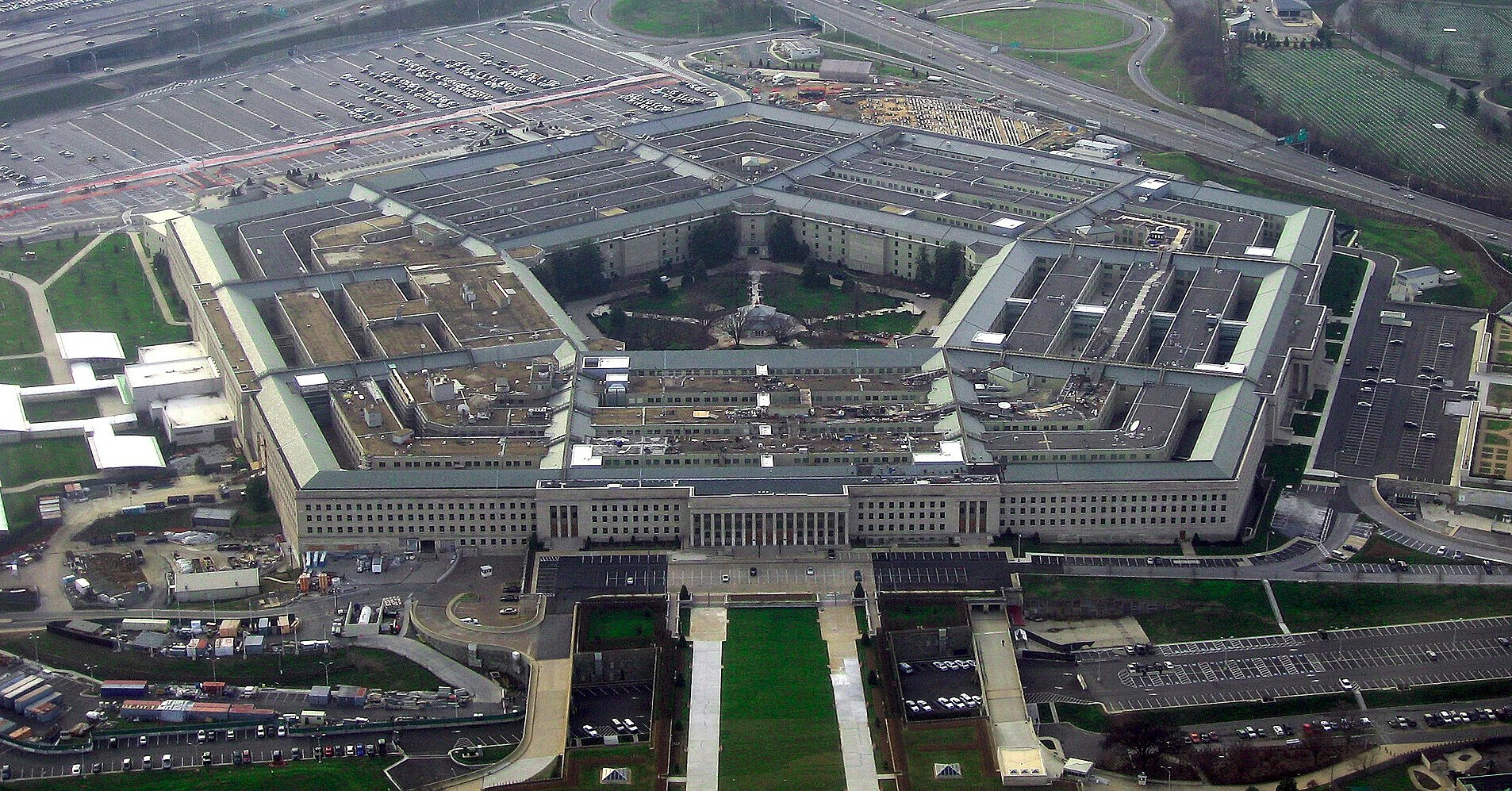
US military operations against Iran have cost the Pentagon roughly $43.6 billion as of September 3. More than 60% of that sum is for munitions used by American forces during the conflict.
This estimate was provided by the US Department of Defense to the Congressional committees on national security. For the first time, the Pentagon has given lawmakers a detailed breakdown of spending by branch of the armed forces and by individual cost categories.
According to the US Central Command's estimate, about $28.1 billion is needed to replace already expended missiles, aerial bombs, and other munitions. Another approximately $11.2 billion is directly for additional operational costs associated with waging the war.
About $4.3 billion the Pentagon estimates as the cost of replacing destroyed or damaged aircraft, weapons, and other military equipment.
The Air Force spent the most on operations
The work of the US Air Force accounted for about $6.6 billion. This includes the operation of dozens of fighter and bomber squadrons, the movement of personnel, transportation, communications, and support of American bases.
Navy costs amounted to about $2.2 billion. The US deployed more than two dozen warships to the region, including aircraft carriers.
About another $1.6 billion went to ground forces operations. The deployment and support of several thousand special operations forces personnel cost about $633 million.
The US Transportation Command spent $92.1 million on moving equipment and cargo, and the Cyber Command's expenses for operations totaled about $10.5 million.
In total, more than 50,000 US service members are involved in the mission related to the war against Iran.
Air defense missile stockpiles significantly reduced
The largest cost category remains munitions. In particular, the intensive use of interceptor missiles to protect American bases and allies has led to a reduction in stockpiles of some critically important weapons, including Patriot interceptors.
The US Congressional Budget Office (CBO) warns that replenishing the expended stockpiles of certain types of missiles could take at least five years.
The agency notes that the shortage of interceptors creates additional risks for the US in the event of another major conflict, especially in the Indo-Pacific region, where a potential adversary has access to large stockpiles of ballistic and cruise missiles.
The real cost of the war could be significantly higher
The $43.6 billion estimate is not the full cost of the war. In particular, it does not include potentially multi-billion-dollar expenses for rebuilding American military bases and other infrastructure damaged by Iranian strikes.
Among the affected facilities is American naval infrastructure in Bahrain. According to congressional estimates, if the US or the host nations decide to fully restore the damaged facilities, additional costs could reach tens of billions of dollars.
Furthermore, the baseline estimate does not include roughly another $1.5 billion in additional expenses for fuel and other needs that the administration requested in a supplemental funding measure. With this item included, current spending could reach about $45.1 billion.
Separately, the State Department has assessed damage to US embassies, consulates, and other diplomatic facilities in the Middle East from Iranian strikes at roughly $184 million.
CBO expects still $2–3 billion in monthly expenses
The Congressional Budget Office previously independently assessed the Pentagon's war spending at roughly $38 billion as of August 1. This estimate included expended munitions, lost equipment, additional flights, logistics, and fuel.
If combat operations continue at a relatively low intensity, CBO expects additional costs of about $2 billion per month. If intensity returns to July levels, the monthly cost could reach $3 billion or more.
In July, US Secretary of Defense Pete Hegseth, at a congressional hearing, estimated the war spending at about $37.5 billion. Thus, in the following weeks, the official Pentagon estimate has increased by more than $6 billion.
The US-Iran conflict began on February 28, 2026. In addition to direct budget expenditures, the war has led to disruptions in energy markets and shipments through the Strait of Hormuz. CBO also warned that high oil and gas prices associated with the conflict create additional inflationary pressure on the American economy.
Sources: The New York Times, Congressional Budget Office, Bloomberg Government
