
US threatens to halt foreign flights of Iranian airlines
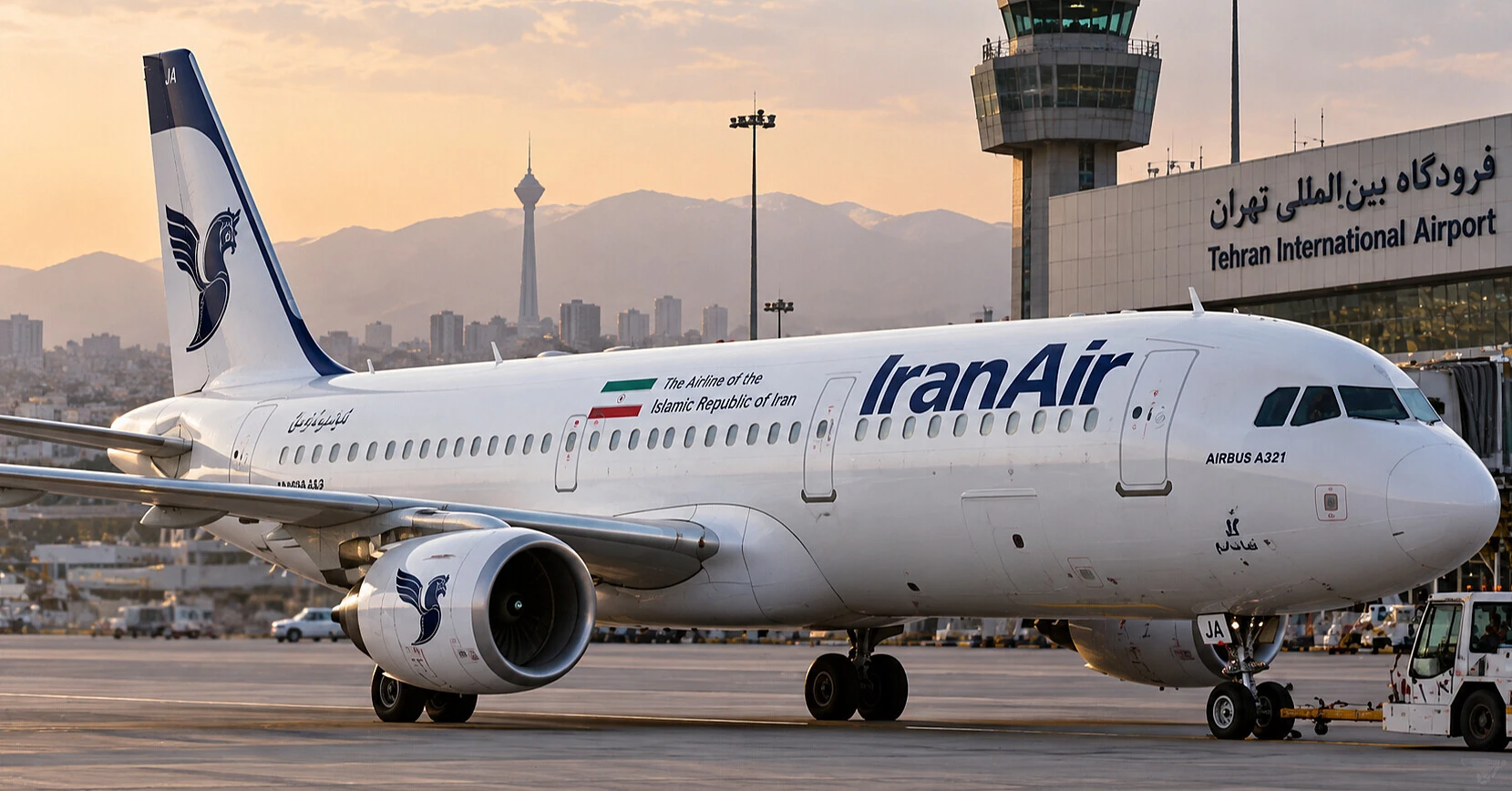
The US intends to effectively deprive Iranian airlines of the ability to operate international flights from September 23, threatening secondary sanctions against foreign airports and companies that continue to serve them. This was announced by US Treasury Secretary Scott Bessent.
According to Bessent, Washington intends to use access to the US financial system as the main leverage against foreign partners of Iranian carriers.
"On September 23, all Iranian airlines will be stopped around the world. If they land, you cannot provide them with fuel, landing services, or sell tickets, otherwise you will be excluded from the dollar system," — stated the head of the US Treasury.
Thus, the restrictions are aimed not only directly against carriers from Iran. Foreign airports, aviation fuel suppliers, ground handling companies, ticket agents, and other organizations without which international flights are impossible may come under the threat of US sanctions.
However, Bessent's statement does not mean an automatic cessation of all international flights of Iran precisely on September 23. The effectiveness of the measures will depend on the extent to which foreign companies and airports comply with American requirements. Analysts note that achieving a complete cessation of servicing Iranian aircraft in all countries will be difficult.
The current threat is a continuation of Washington's sanctions campaign against Iranian aviation. On September 8, the Office of Foreign Assets Control of the US Treasury added 36 entities and other targets related to Iran's aviation sector to the sanctions list. In particular, sanctions were imposed against 27 active Iranian airlines.
The US Treasury claims that Tehran uses civil aviation infrastructure, among other things, for transporting weapons, military equipment, and personnel of the Islamic Revolutionary Guard Corps. US authorities warned that companies continuing to provide services to the Iranian aviation sector also risk being sanctioned and losing access to the US financial system.
The consequences of increased pressure have already begun to manifest. One of Iran's largest airlines, Mahan Air, suspended international flights to Istanbul, Ankara, and Muscat. The new US sanctions also affected foreign companies that provided ticket sales and ground handling for Iranian carriers.
According to the Financial Times, approximately a third of incoming international flights to Iran have recently been cancelled. With further expansion of restrictions, the country could become significantly more dependent on foreign airlines that will continue to operate flights to Iranian airports.
Bessent's statement came after talks with Chinese Vice Premier He Lifeng. The head of the US Treasury said that representatives of China's financial authorities are actively discussing compliance with sanctions against Iran with Washington. There was no public confirmation of such a position from Beijing at the time of the statement.
Pressure on the aviation sector is part of Operation Economic Outcast, launched by the US administration in August. Washington states its goal is to cut off financial and commercial channels used by Iran to circumvent American sanctions.
Based on materials from: US Department of the Treasury, The National, Financial Times
