
California declared a state of emergency due to approaching powerful El Niño
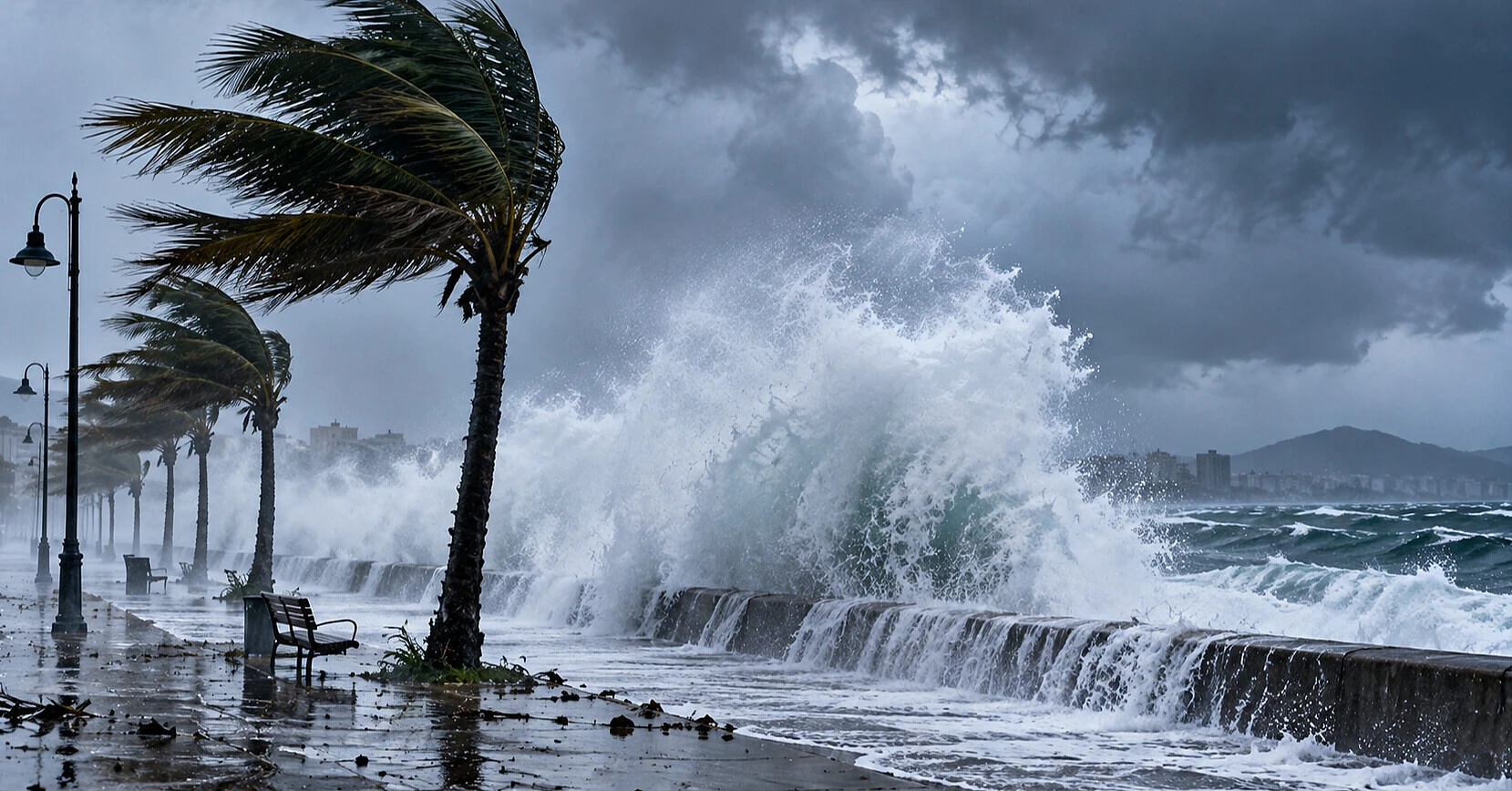
California Governor Gavin Newsom declared a statewide state of emergency to prepare for the winter El Niño season, which forecasters predict could be one of the strongest on record. The emergency regime will allow authorities to mobilize resources in advance and speed up infrastructure preparation for possible floods, landslides, and severe storms.
The order provides for early deployment of pumps, sandbags, and other flood-fighting equipment. The transportation agency Caltrans must prepare equipment for road closures, snow removal, and emergency response on the most vulnerable highways.
Authorities are also preparing the California National Guard for possible participation in search and rescue operations, engineering work, and logistics. State agencies are instructed to accelerate preparations for floods, landslides, mudflows, and coastal flooding.
“We are preparing for this El Niño in advance because every Californian should be safe in their home and protected when severe weather arrives,” — Newsom said.
Authorities intend to pay special attention to roads and other critical infrastructure, as well as areas previously affected by wildfires. Heavy precipitation in such places increases the risk of landslides and debris flows.
According to the September forecast of the U.S. National Oceanic and Atmospheric Administration (NOAA), El Niño continues to strengthen. The probability that the phenomenon will reach the “very strong” category in the autumn and winter of 2026–2027 exceeds 90%.
For the period from October to December, NOAA estimates a 75% chance of a historically strong El Niño. In such a scenario, its intensity could exceed the indicators of the most powerful episodes observed since 1950. At the same time, forecasters emphasize that the specific consequences for individual regions cannot be determined in advance.
An experimental model of the NOAA climate laboratory also shows that the current El Niño is capable of competing with the strongest events in historical data. All 30 scenarios of the September forecast point to exceptionally high intensity of the phenomenon in late autumn and early winter.
For California, a strong El Niño typically increases the risk of prolonged heavy rains, powerful winter storms, strong winds, large waves, coastal flooding, and landslides. However, the presence of El Niño itself does not guarantee an abnormally rainy winter in every area of the state.
Authorities also ordered the expansion of the public warning system, including multilingual messages about floods, evacuations, power outages, and other risks.
Based on materials from: California Government, NOAA, NOAA GFDL
