
Iran names path to resuming traffic through the Strait of Hormuz
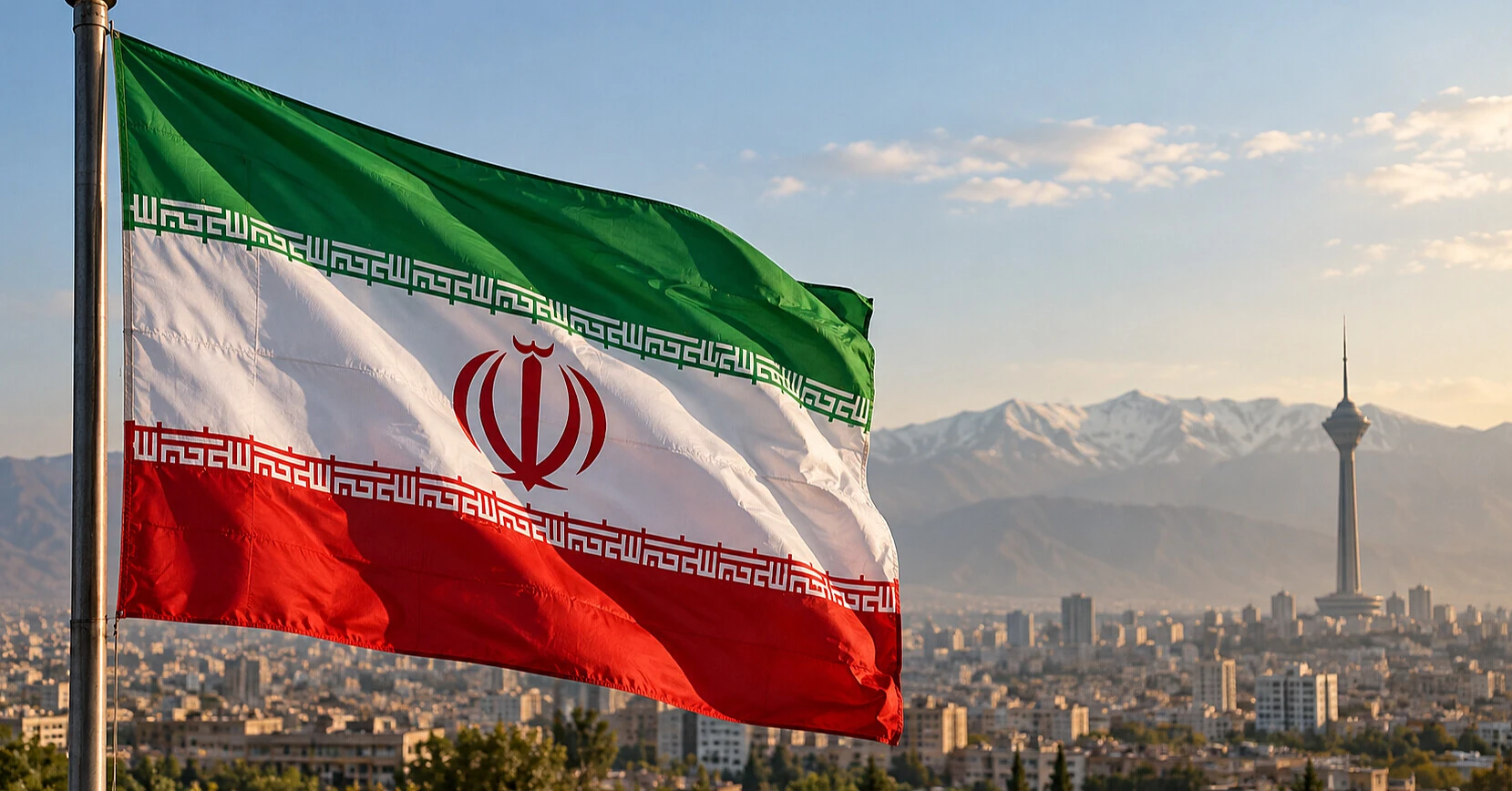
Iran could restore free navigation through the Strait of Hormuz within seven days if the United States begins to reduce military pressure and lifts the blockade of Iranian ports. A senior Iranian official told Reuters about this on 22 September. However, later the semi-official Fars agency, citing Iranian sources, denied the reports of such a proposal, so the specific seven-day deadline has not yet been officially confirmed.
According to the source of Reuters, Washington first of all must officially declare its intention to settle the conflict through diplomatic means, after which the parties should agree on a schedule for a further negotiating process. The Iranian side also links the possible opening of the strait to the reduction of the American military presence and an end to the blockade of Iranian ports.
The proposal, as the official claims, was passed to the US through intermediaries as early as 16 September. Tehran plans to discuss the details of a possible agreement on the cessation of hostilities during the UN General Assembly in New York – also through intermediaries. The Iranian delegation, according to the Reuters source, has been authorised to resume diplomatic contacts with Washington.
A direct meeting between Presidents Masoud Pezeshkian and Donald Trump is not planned. Pezeshkian departed for New York on 22 September, but the Reuters source ruled out his talks with the American president on the sidelines of the General Assembly. At the same time, US Secretary of State Marco Rubio has said that Washington is open to contacts with Iranian representatives at the UN, although no meetings have yet been scheduled.
Similar information was separately obtained by Japanese agency Kyodo. Its high-ranking source in the Iranian government said that Tehran is ready to open the strait within a week after the first practical steps by the US to reduce military pressure. According to Kyodo, the initiative has received the approval of the country's top leadership and the Supreme National Security Council.
The current reports appear as a possible softening of the previously voiced demands by Tehran. On 19 September, the secretary of Iran's Supreme National Security Council, Mohsen Rezaei, said that a broader set of conditions had been passed to Washington through Qatar. Among the publicly named demands were an end to the war on all fronts, the unblocking of frozen Iranian funds and the lifting of the naval blockade.
Already on 20 September, the speaker of the Iranian parliament, Mohammad Bagher Ghalibaf, stated that the Strait of Hormuz would remain closed until Tehran's demands and American obligations are met. Thus, the report of readiness to open it within seven days after the start of de-escalation would represent a notable change in the negotiating position, if it receives official confirmation.
However, a few hours after the publications by Reuters and Kyodo, the Fars agency, citing Iranian sources, reported that the information about such a proposal "does not correspond to reality." There is no public statement by the president, the Foreign Ministry of Iran or the Supreme National Security Council that would confirm precisely the seven-day deadline at the time of publication. Therefore for now, it is about reports from several media outlets citing unnamed Iranian officials and the subsequent denial by the semi-official agency.
The new diplomatic signals have emerged amid threats of yet another military escalation. On Sunday, the Iranian central military command announced that it had information about the US preparing to resume military operations supported by a number of countries in the region. Tehran warned that in such a case, retaliatory actions would not be limited to previous boundaries.
Marine traffic through Hormuz remains one of the main levers of pressure in the conflict. Already on 16 September, according to vessel monitoring data, only four ships passed through the strait, compared with an average of 18 over the preceding ten days. Among them there were no large VLCC-class oil tankers and LNG carriers. Some vessels, however, may pass through the strait with transponders turned off and thus are not captured by such statistics.
The importance of the strait for the global energy market remains extremely high. According to the US Energy Information Administration, in the first half of 2025, an average of 20.9 million barrels of oil and petroleum products per day passed through Hormuz – about 20% of global consumption of liquid hydrocarbons and roughly a quarter of seaborne oil trade. Over 20% of world liquefied natural gas trade also passed through this route. Alternative pipeline routes can replace only part of these volumes.
The market reacted immediately to reports about the possible deal. On Tuesday, Brent fell below $100 per barrel: according to The Wall Street Journal, the price dropped by 2.6%, to $97.76, and the American WTI — by 3.1%, to $92.78. Before the appearance of news about the possible diplomatic breakthrough, Brent had risen above $102 during the day.
Thus, the potential opening of Hormuz could significantly reduce the risk of disruptions in oil and gas supplies, but a concrete agreement between Washington and Tehran has not yet been announced. The US has publicly confirmed only its readiness for contacts, while Iran simultaneously sent contradictory signals regarding the proposed seven-day deadline.
By materials from: Reuters, MarketWatch, U.S. Energy Information Administration, The Guardian
