
EU extends personal sanctions against Russia, but with exceptions
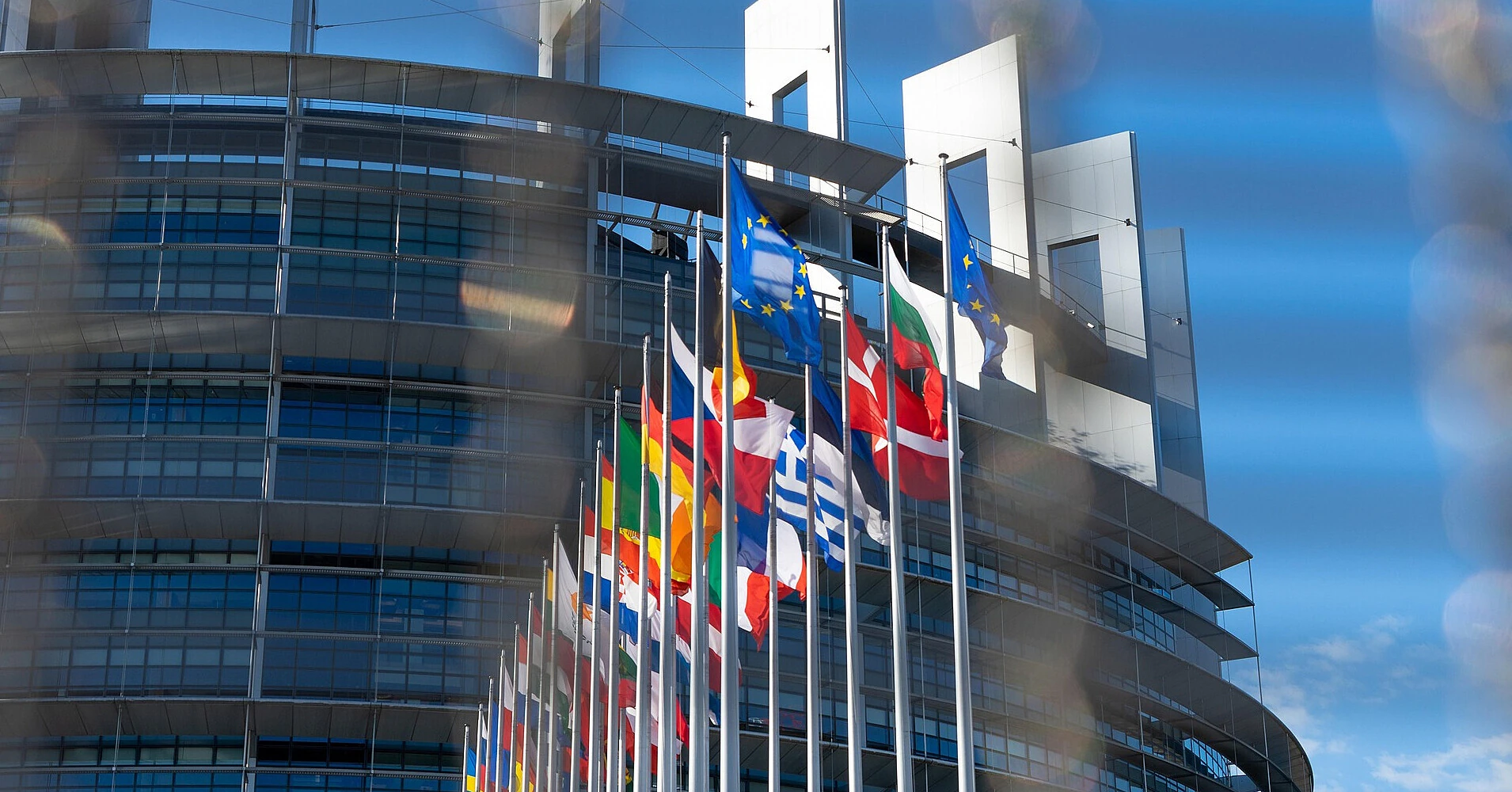
European Union countries agreed to extend personal sanctions against Russia immediately for three years instead of the previous review every six months. The compromise was reached on Tuesday, September 22, after lengthy negotiations between representatives of all 27 EU states.
As reported by Le Monde, restrictions on approximately 3,000 Russian and Russia-related individuals and legal entities will now be extended for 36 months. Previously, this regime required a unanimous decision by EU countries every six months, which regularly became a cause for negotiations and threats of blocking.
The price of the compromise is the exclusion from the sanctions list of Russian billionaires Alisher Usmanov and Mikhail Fridman. After the restrictions are lifted, they will be able to regain access to assets frozen in the EU and the right to enter the bloc's countries. Both businessmen previously challenged the sanctions imposed on them.
The idea of extending the regime immediately for three years was proposed by Ireland, which holds the presidency of the Council of the EU. Initially, options for 12, 18, and 24 months were discussed, but in the end, states agreed on a 36-month term. At the same time, according to Le Monde, the sanctions lists can be reviewed earlier if necessary — for example, within the framework of a possible peace process.
The main subject of dispute was France's demand to exclude Usmanov. According to Le Monde and Euronews, Paris linked this issue with negotiations around the release of French citizens held in prison in Azerbaijan. France officially explained the request by national security considerations.
After that, Luxembourg demanded that restrictions on Fridman also be lifted. The businessman previously initiated international arbitration against the country and demanded approximately $16 billion in compensation for frozen assets. According to Le Monde's interlocutors, after agreeing to exclude Usmanov, rejecting Luxembourg's demand regarding Fridman proved significantly more difficult.
Until the last moment, Latvia opposed the compromise. On the morning of September 22, its position effectively blocked the decision, which requires unanimity of all EU countries. Riga supported the idea of a three-year extension of sanctions, but objected to the exclusion of two Russian businessmen as a condition of the deal. In the end, the states were able to complete negotiations before the expiration of the current regime.
Ukraine spoke out against lifting restrictions on Usmanov and Fridman. President Volodymyr Zelensky previously stated that discussing easing sanctions against Russian business amid the ongoing war is unacceptable, and specifically named Usmanov and Fridman as representatives of Russian business who should remain under pressure. After the agreement was reached, the Ukrainian side also called the exclusion of the two businessmen unacceptable.
The EU personal sanctions regime provides for asset freezing and a ban on providing funds to listed individuals and companies, and for individuals — also restrictions on entry and transit through the territory of the European Union.
Based on materials from: Le Monde, Euronews, Office of the President of Ukraine
