
White House reveals details of the agreement on Greenland
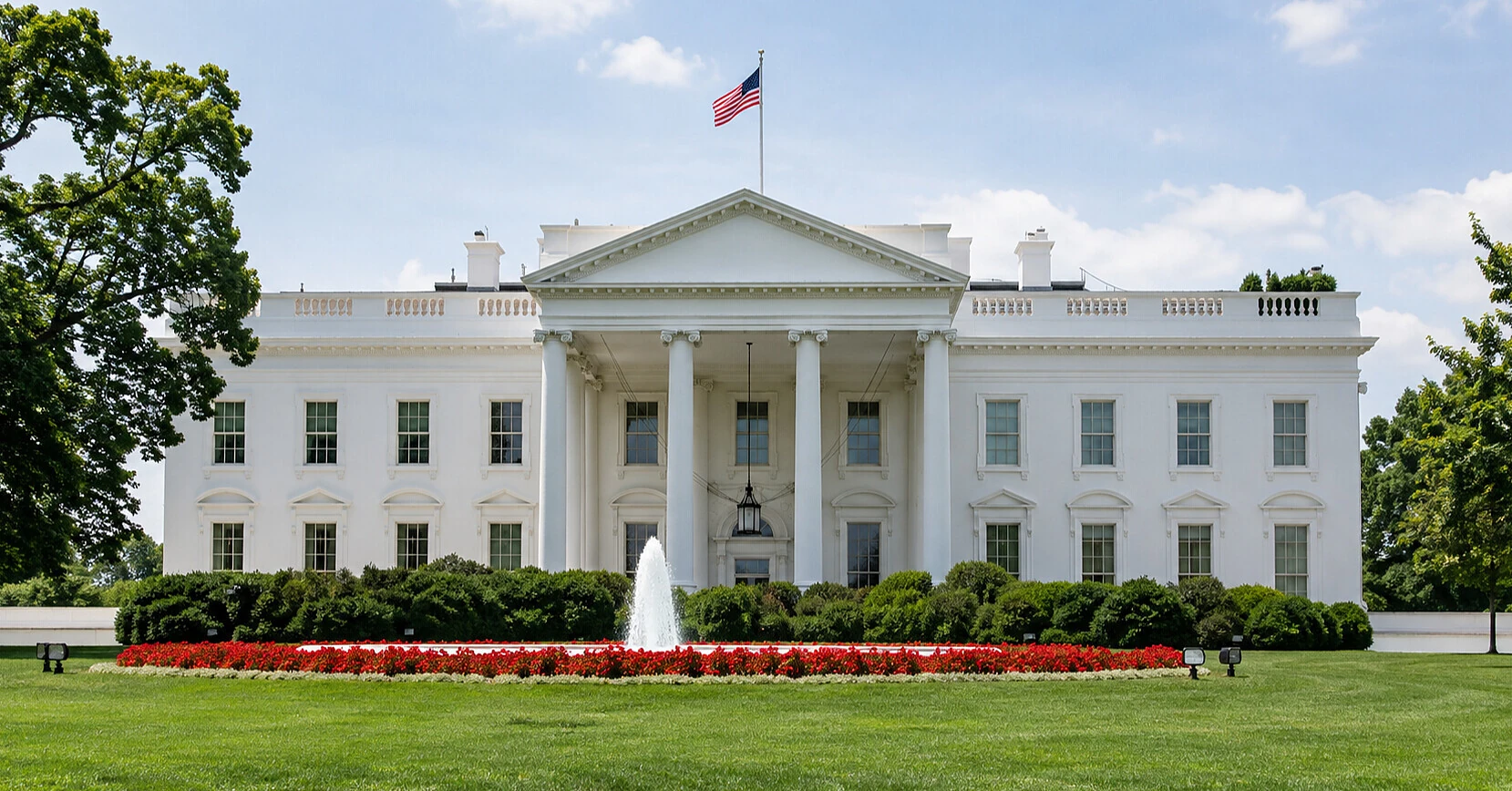
The White House on September 22 published the full text of the agreement between the US, Denmark, and Greenland, signed in New York on the sidelines of the UN General Assembly. The document significantly expands the capabilities of the US military on the island: the US will be able to establish two new military zones, develop the existing Pituffik base, more freely move military aircraft and ships, and in the future—deploy elements of the Golden Dome missile defense system.
The agreement supplements the 1951 defense treaty for Greenland. The parties separately reaffirmed the sovereignty and territorial integrity of the Kingdom of Denmark and the right of the people of Greenland to self-determination.
One of the main points is the creation of additional US "defense zones" in Narsarsuaq in the south of the island and Mestersvig in the east. In the document, a defense zone is defined as an area where the US establishes or operates a military base. The technical parameters of the two new facilities are to be agreed separately by the parties.
In addition, Washington will be able to modernize and expand activities at the Pituffik Space Base. The agreement also allows for the creation of additional US military zones in other parts of Greenland, however, each such site must be agreed by the parties through a joint permanent committee.
The US also receives broad rights for military movement across the island. US military aircraft will be able to fly over Greenland and land on its territory, and US government ships will be able to move in territorial waters. Armed forces and military equipment are granted the right of access to defense zones by land, air, and sea.
The preamble of the agreement separately mentions the US Golden Dome missile defense system. The parties recognize a common interest in providing the US with military access to Greenland to the extent necessary for the protection of the island, NATO territory, and North America, including through the deployment of this system.
Another section of the agreement concerns the presence of third countries. States that are not NATO members are prohibited from establishing their own permanent manned or unmanned military facilities in Greenland, unless the parties to the agreement separately agree otherwise.
Restrictions are also provided for foreign investments. Companies and investors from states that are not NATO members, partners of the Alliance, or EU members must not gain control, significant influence, or access to classified information in particularly sensitive sectors. The document explicitly includes critical infrastructure and extraction of natural resources in these sectors.
At the same time, the agreement provides economic benefits for Greenland itself. The US should, where possible, award contracts for construction, maintenance, and dismantling of US military infrastructure to local companies, if Greenlandic contractors are capable of performing the relevant work.
The document is concluded without an end date and can only be amended by mutual consent. Separately, a scenario of possible Greenlandic independence is addressed: in this case, the new state must remain in NATO and assume Denmark's rights and obligations under this agreement.
The agreement has not yet entered into force. For this, Denmark together with Greenland must complete the parliamentary procedures required by national legislation, after which the corresponding diplomatic note will be sent to the US.
The treaty is the result of several months of negotiations over the future of the US presence on the island. Even before the signing, the governments of Denmark and Greenland emphasized that the agreement should strengthen Arctic security, while preserving the sovereignty of the Kingdom of Denmark and the right of the people of Greenland to determine their own future.
Based on materials from: White House, Danish government
