
Moldova has introduced a state of emergency in energy and water supply for 60 days
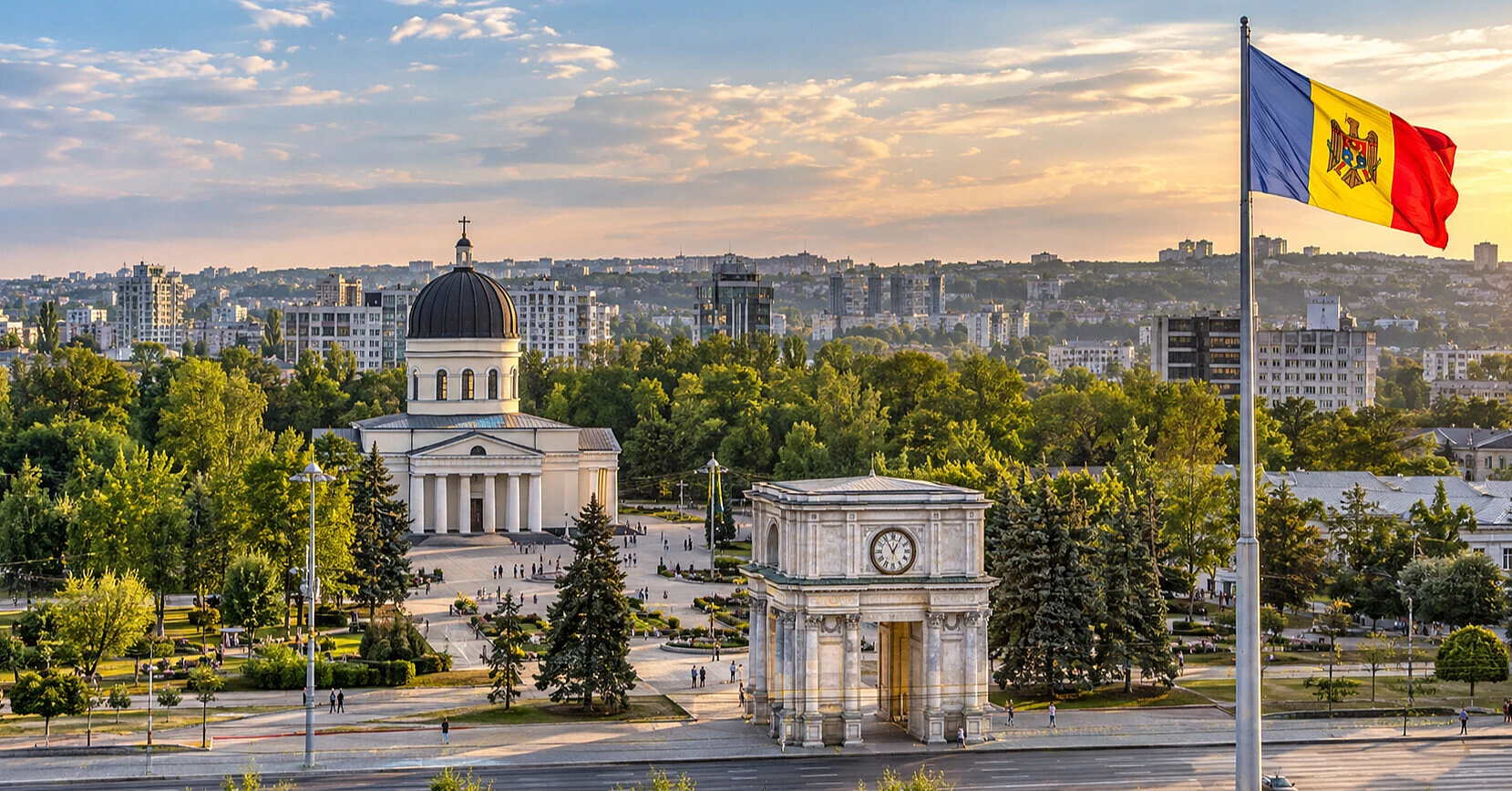
The Parliament of Moldova has declared a state of emergency in the country's energy and hydrological sectors for 60 days. The special regime will come into effect on September 26.
The decision was supported by 54 deputies. Earlier the same day, the government approved the introduction of the state of emergency. The current heightened alert regimes in the energy and hydrological sectors expire on September 25.
The government emphasizes that the measure is preventive in nature. It should allow the authorities to respond more quickly to possible disruptions in the supply of electricity, gas, oil products and water amid regional risks, the tense situation on energy markets and a serious hydrological deficit.
Of particular concern is the upcoming heating season. According to the authorities' estimates, this winter about 59% of Moldova's electricity needs will have to be met through imports. During peak consumption hours, the country may need to import 400–450 MW of electricity, while the guaranteed available capacity is estimated at about 360 MW.
At the same time, the situation with water resources is deteriorating. Minister of Environment Gheorghe Hajder reported that the inflow of water into the Dniester reservoir is currently about three times lower than the volume of discharge. The authorities are preparing additional measures that should ensure uninterrupted water supply to the population in case of further deterioration of the situation.
First of all, the authorities intend to maintain the operation of two strategic water intake stations that supply water to settlements in the central and northern parts of the country.
The state of emergency gives state structures additional powers for accelerated decision-making in a crisis situation, including in procuring necessary resources and ensuring energy and water supplies.
Previously, the Moldovan authorities had already introduced heightened alert regimes in the energy and hydrological sectors due to risks of energy supply disruptions and prolonged drought. In August, their validity was extended for another 30 days, but the government stated that the reasons for the restrictive measures had not disappeared, and that risks had intensified before the start of the cold season.
Based on materials from: Government of Moldova, Moldpres, Anadolu
