
Polish zloty weakens sharply: euro becomes most expensive in almost three years
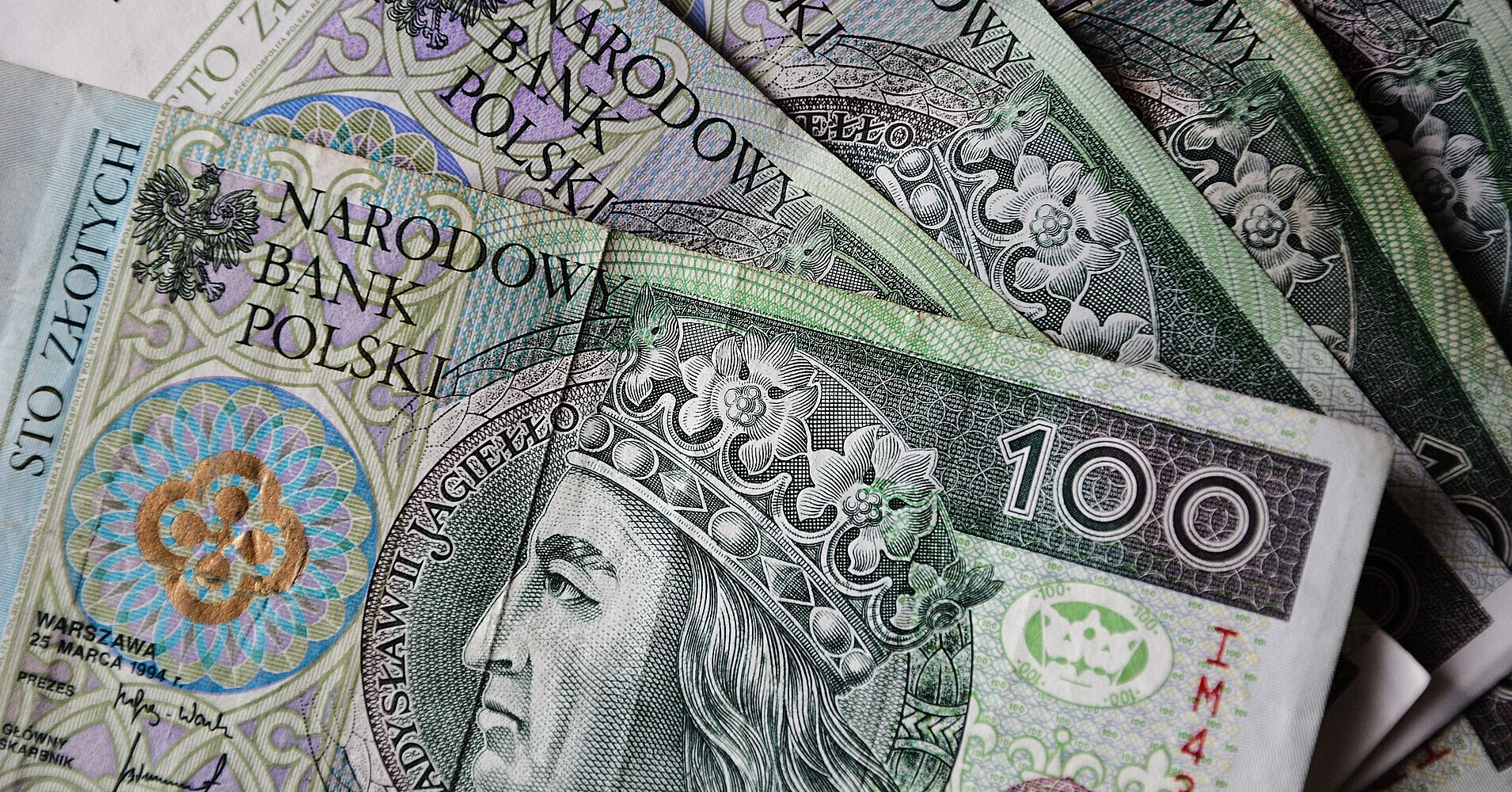
The Polish zloty continued to weaken noticeably against the euro on Wednesday, September 23. The European currency's exchange rate rose to about 4.37–4.38 zlotys per euro — these are the highest levels in almost three years.
According to the Polish Rzeczpospolita, investors have been reducing their positions in the Polish currency, increasing pressure on its quotes. During trading, the EUR/PLN pair continued to move upward after a noticeable weakening of the zloty in previous weeks.
At the beginning of September, the euro cost about 4.31 zlotys, and in early 2026, the exchange rate was mainly around 4.20–4.22 zlotys. Thus, since the beginning of the year, the Polish currency has lost several percent against the euro.
For residents of Poland, this directly increases the cost of euro-denominated expenses. At an exchange rate of around 4.37 zlotys, buying 1000 euros costs about 4370 zlotys. At the rate of around 4.21 zlotys observed at the beginning of the year, the same amount required about 160 zlotys less.
The weakening is occurring against the backdrop of changing situations in global financial markets and monetary policies of major central banks. In September, Poland's Monetary Policy Council kept its key interest rate at 3.75%. At the same time, higher yields on certain foreign markets make some foreign assets more attractive to investors and may reduce demand for the zloty.
An additional factor for the Polish currency remains the state of public finances and foreign trade. In recent weeks, the market has also been assessing Poland's high budget deficit and deteriorating current account balance. However, currency market dynamics depend simultaneously on domestic indicators and global demand for riskier assets by investors.
For Ukrainians living and working in Poland, the weakening of the zloty is most noticeable in euro-denominated expenses — for example, during trips to eurozone countries or when exchanging savings. If income remains in zlotys, buying the same amount of euros now requires more Polish currency.
Based on materials from: Rzeczpospolita, Investing.com
