
Britain to keep sanctions on Usmanov and Fridman despite EU decision
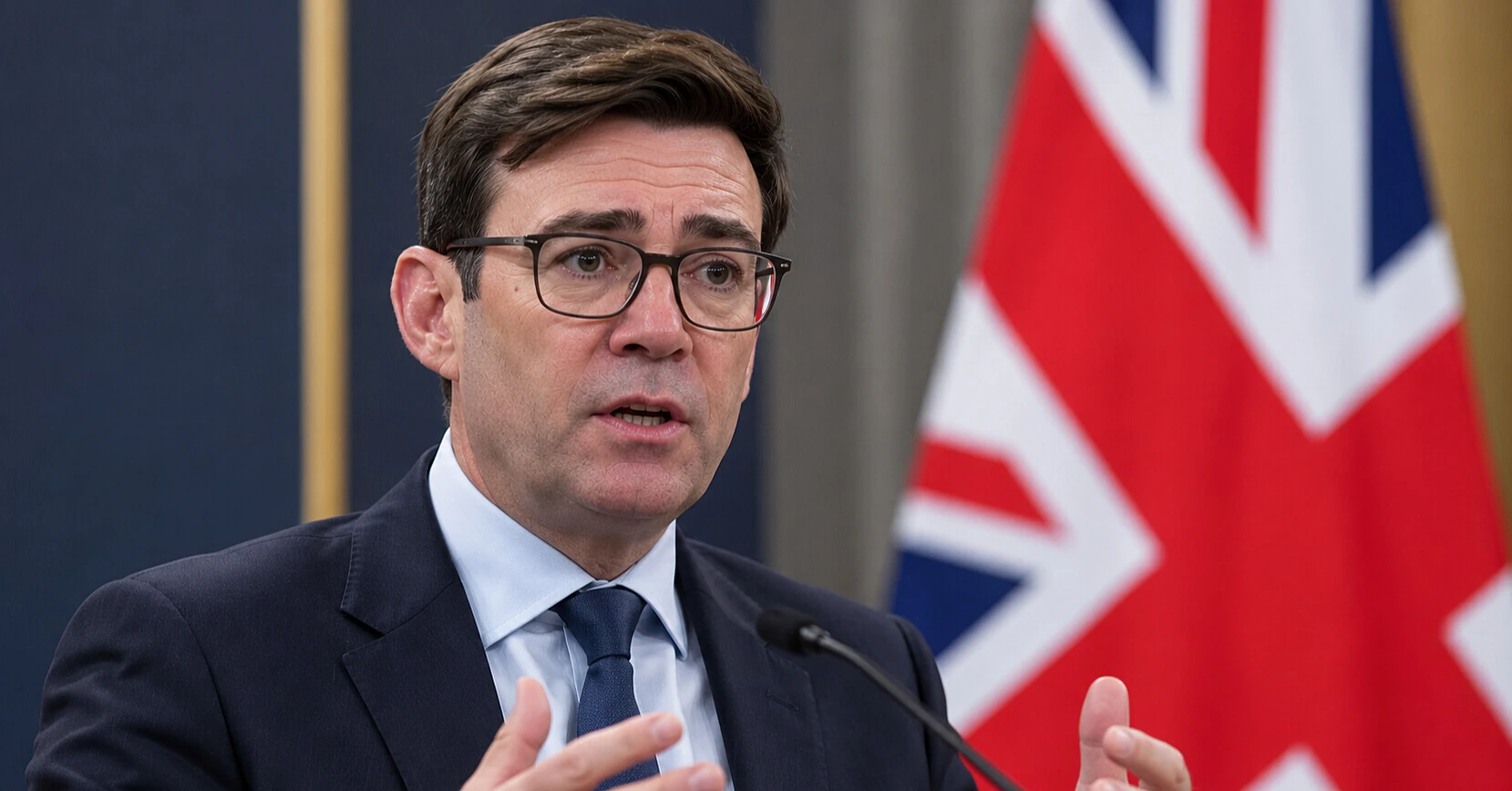
The United Kingdom does not intend to follow the European Union in lifting sanctions on Russian billionaires Alisher Usmanov and Mikhail Fridman. This was reported by Bloomberg with reference to sources familiar with the content of talks between British Prime Minister Andy Burnham and Ukrainian President Volodymyr Zelensky.
According to the agency, during a meeting on the sidelines of the UN General Assembly in New York, Burnham told Zelensky that he disagreed with the European Union's decision to remove Usmanov and Fridman from the sanctions list. He also confirmed that London would maintain its own restrictions against both businessmen.
The British Prime Minister, according to Bloomberg sources, believes that Ukraine's allies should maintain sanctions pressure on Russia until the war ends.
In the official Downing Street statement following the meeting, Usmanov and Fridman were not mentioned separately. However, the British government confirmed that Burnham and Zelensky agreed on the need to continue increasing pressure on Russia through sanctions in order to push Moscow towards negotiations.
London's decision became a notable divergence from the European Union's latest step. On September 22, the EU Council extended by three years — until September 22, 2029 — personal sanctions against individuals and companies that Brussels associates with undermining the territorial integrity and sovereignty of Ukraine.
At the same time, EU countries agreed not to extend restrictions against several individuals on the list. Among those removed were Usmanov and Fridman. Previously, personal sanctions had to be extended unanimously every six months, whereas now most of the list will remain in force for three years.
Negotiations on extending sanctions were accompanied by serious disagreements among EU countries. France sought the removal of Usmanov, while the issue of Fridman was pushed, in particular, by Slovakia and Luxembourg. Ultimately, the compromise allowed the remaining restrictions to be preserved and avoided the risk of the entire personal sanctions regime lapsing.
After leaving the EU, the United Kingdom applies its own sanctions regime, so Brussels' decisions do not automatically change the British list. Usmanov and Fridman are still on the British list of persons subject to restrictions under the sanctions regime against Russia.
Usmanov was added to the British sanctions list in March 2022. London froze his assets and imposed travel restrictions, explaining the decision by his ties to Russian authorities and business in strategically important sectors for Russia.
Fridman has also been under British sanctions since March 2022. He had close business ties with the United Kingdom for many years and lived in London before the restrictions were imposed.
Thus, following the EU decision, the sanctions regimes of the UK and the European Union concerning the two Russian businessmen will now differ: personal restrictions have been lifted in the EU, while they remain in place in Britain.
Based on materials from: Bloomberg, UK government, EU Council
