
Iran gave the US several days to meet its conditions on the Strait of Hormuz
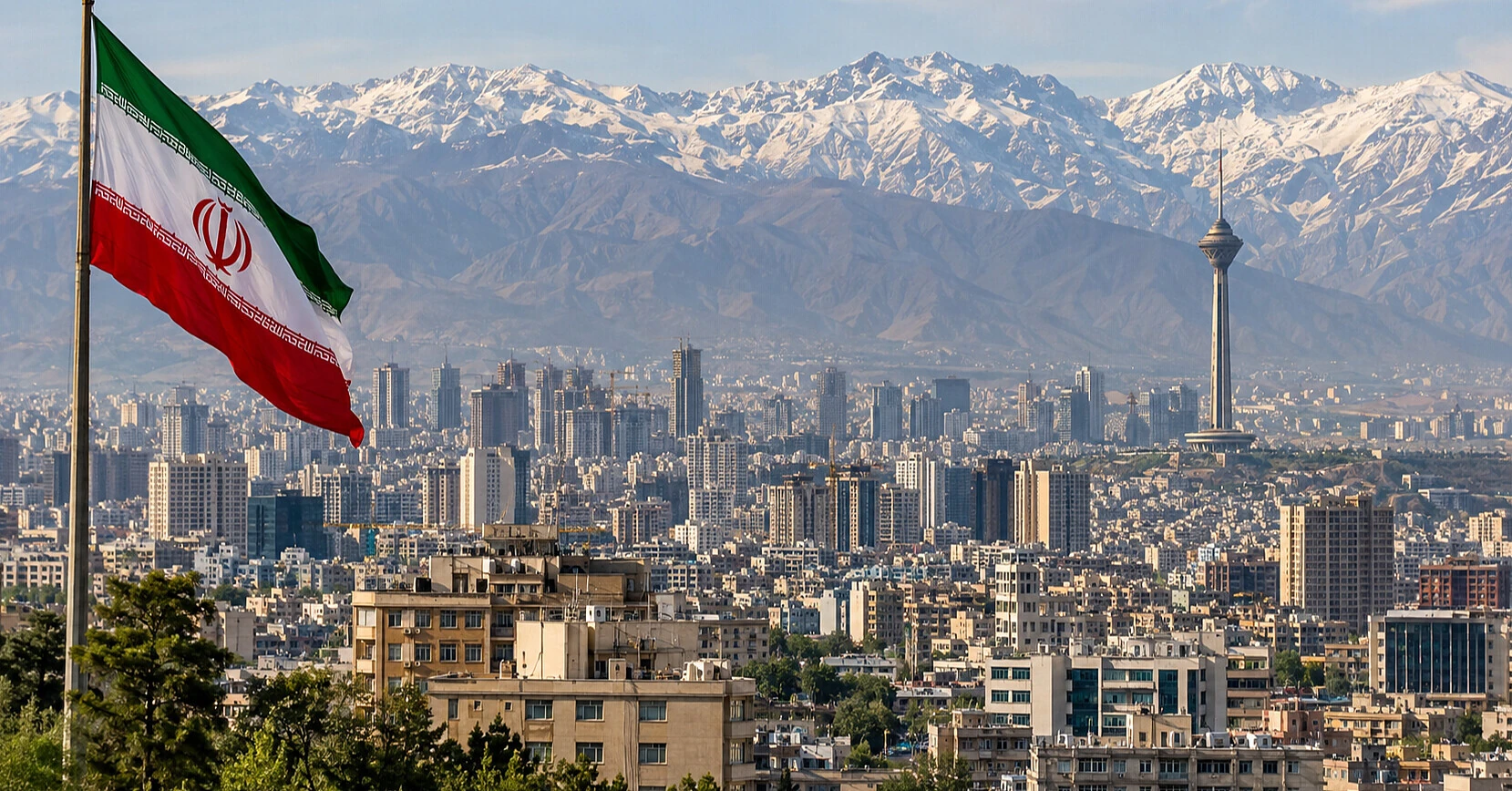
Iran has given the US four to five days to meet its conditions for reopening the Strait of Hormuz and resuming negotiations, said Mohsen Rezaei, Secretary of Iran's Supreme National Security Council.
According to him, Tehran put forward seven conditions to Washington that must be fulfilled completely and simultaneously. If this does not happen, the Strait of Hormuz will remain closed and negotiations with the US will not continue.
"Enough talk. Enough negotiations. Now we must act," Rezaei said.
He added that after the four- to five-day deadline expires, Iran will determine its "next step," but did not specify what actions Tehran is considering.
The full list of seven demands has not been made public. Among the conditions reported by Iranian state media and Western sources are ending the American naval blockade of Iran, unfreezing Iranian assets, lifting some sanctions pressure, and ceasing hostilities on all fronts.
Rezaei stressed that Iran does not intend to discuss easing or phasing in these demands. According to him, President Masoud Pezeshkian and Foreign Minister Abbas Araghchi came to New York to convey Tehran's already agreed position, not to prepare a new set of conditions.
Earlier, on the sidelines of the UN General Assembly, indirect contacts took place between Araghchi and representatives of the American administration mediated by Qatar. The American side was represented by special envoy Steve Witkoff. The parties discussed conditions for opening the Strait of Hormuz and a possible resumption of broader negotiations.
At the same time, there are no signs of an imminent agreement yet. US Secretary of State Marco Rubio stated that contacts with Iran should not be perceived as evidence of a major diplomatic breakthrough. European diplomats also do not expect a quick deal between Washington and Tehran.
The Strait of Hormuz remains one of the main pressure points on the global oil market. In peacetime, a significant share of global oil and liquefied natural gas exports passed through this route, so shipping restrictions have led to higher transport costs and energy prices.
Amid Iran's new statement, Brent crude traded around $107 per barrel on September 24. Earlier, reports of a possible diplomatic agreement and gradual restoration of traffic through Hormuz had already caused a noticeable drop in oil prices.
Sources: The Guardian, ISW, Pars Today
