
Russia transfers "shadow fleet" vessels to its flag - research
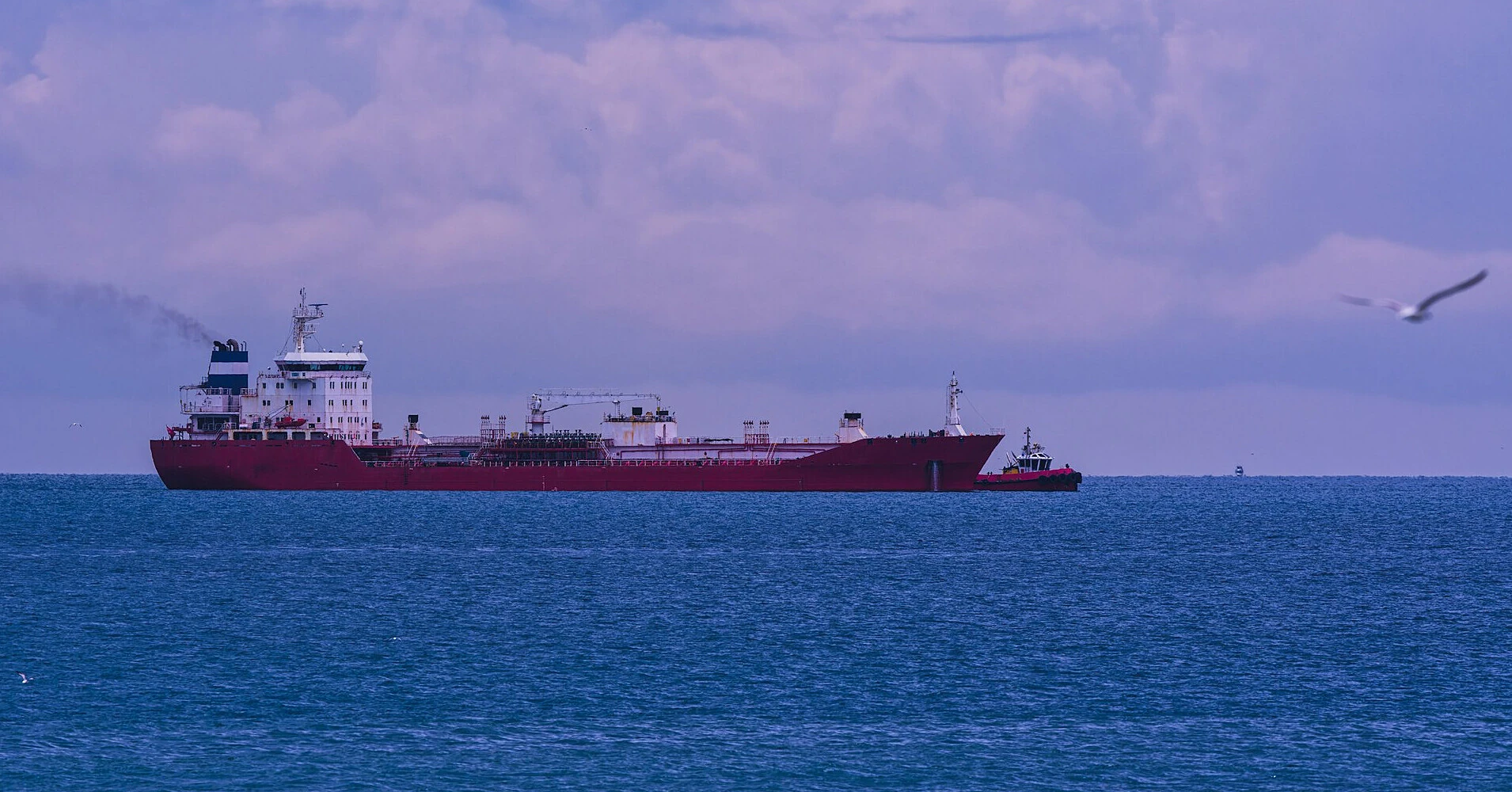
Russia has begun more actively transferring "shadow fleet" vessels to its flag after sanctions pressure, tanker detentions, and increased control by maritime registries narrowed the possibilities for using other flags. Since the beginning of 2025, 107 vessels have been added to the Russian ship registry.
This is stated in a new study by the Centre for Research on Energy and Clean Air (CREA). According to analysts, from January 2025 to the end of June 2026, the Russian registry grew by 36% - from 280 to 382 vessels.
At the same time, 87% of vessels that transferred to the Russian flag during this period were already under sanctions at the time of the registry change. More than half of them, after falling under restrictions, used a false flag for at least some time.
CREA links the trend to the fact that traditional open ship registries, under pressure from the EU, UK, and USA, began to refuse service to sanctioned tankers. In particular, Barbados and Palau removed all sanctioned "shadow fleet" vessels from their registries, and Panama reduced their number by almost two-thirds compared to May 2025.
In parallel, inspections of vessels that continued to use invalid or false flags have intensified. According to CREA's calculations, their number decreased from 101 at the peak in October 2025 to 45 by the end of June 2026. In updated data for August, analysts also counted about 45 such vessels.
The situation with registrations of the Comoros Islands and Gambia changed especially sharply. After sanctions against a company associated with servicing a number of open registries, a significant part of the vessels left these flags. As of the end of June, the Russian flag was already used by 41 vessels previously registered in Comoros and 31 vessels with Gambian registration.
Transferring to the Russian flag does not mean the exit of tankers from international trade. Of the 107 vessels that joined the Russian registry since the beginning of 2025, 72 delivered Russian fossil fuels to world markets worth 7.5 billion euros by the end of June 2026.
At the same time, CREA notes that Russian registration provides such vessels with a formal legal status, unlike the use of a false flag. This complicates the application of the same detention mechanisms that European countries use against vessels without lawful registration. Analysts call for the development of separate control mechanisms for Russian vessels and continued inspections of the "shadow fleet" in European sea lanes.
