
EU finds it increasingly difficult to identify new targets for sanctions against Russia
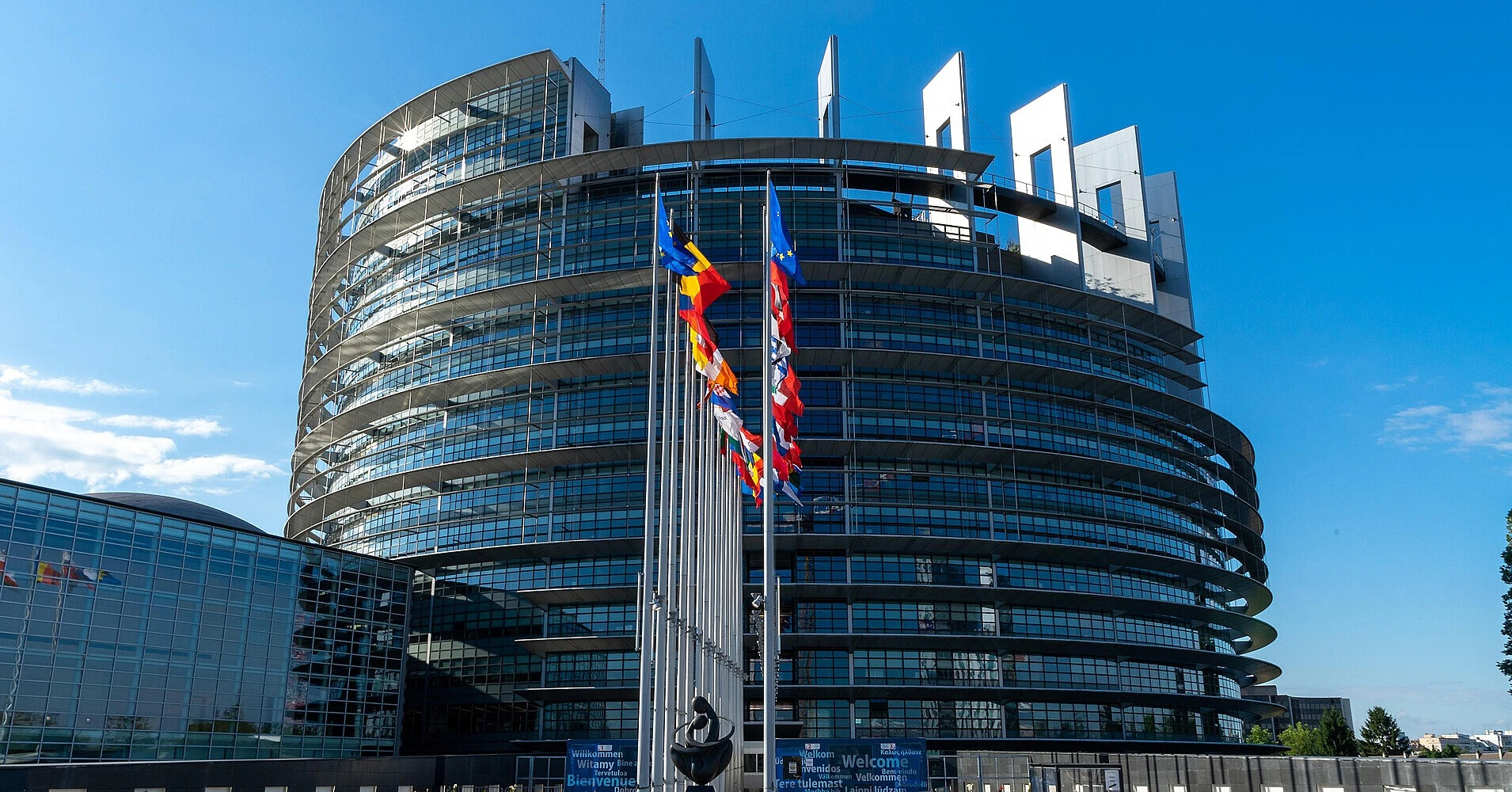
The European Union is approaching a stage where introducing new major restrictions against Russia is becoming considerably more difficult: the main sectors of the Russian economy are already covered by numerous sanction packages, and the next measures require work with intermediaries, financial infrastructure and companies in third countries.
This is reported by Euractiv, having surveyed European diplomats and experts.
According to the assessment of senior analyst at the European Policy Centre Philipp Lausberg, the EU has to a large extent already used the most obvious areas of pressure. Over previous years, restrictions have spread to Russian oil and gas, raw materials, the banking sector, technology exports, the military-industrial complex and a whole range of sources of foreign currency revenue. Therefore, a potential 22nd package, if Brussels begins its preparation, will differ from the first sanction rounds after the start of the full-scale war.
Sanctions circumvention is becoming the main problem
One of the primary reserves for further pressure remains companies servicing the Russian “shadow fleet,” financial intermediaries, cryptocurrency platforms and enterprises in third countries involved in the supply of prohibited goods and technologies. However, identifying and blocking such chains is considerably more difficult than introducing a direct ban against a Russian bank, oil company or specific type of export.
The EU is already gradually moving in this direction. In the 21st sanctions package adopted on 23 July, the Council of the EU extended the ban on operations to 33 more Russian credit and financial institutions and four banks outside Russia. The restrictions also affected 14 cryptocurrency service platforms operating in third countries.
In addition, Brussels added another 41 vessels of the Russian “shadow fleet” to the list. Before that, 632 vessels were already under sanctions. For the first time, the EU began to separately target not only the tankers themselves, but also the infrastructure around them: companies providing services to the fleet, operators and even a crew recruitment agency. Restrictions were also imposed on several oil refining enterprises in Russia and Belarus.
The EU also added 51 companies to the list of entities associated with the Russian military-industrial complex or with circumvention of export restrictions. Of these, 27 are located outside Russia — in China, Turkey, Kyrgyzstan, India, Kazakhstan and the UAE. This shows that sanctions policy is gradually shifting from direct pressure on Russian companies to attempts to cut off the international channels through which Moscow receives equipment, components and financial services.
A tougher next step, according to experts surveyed by Euractiv, could be measures against major financial institutions in China, if their involvement in circumventing restrictions is established. However, such an option already affects broader EU relations with Beijing and is capable of provoking resistance among states interested in trade with China. Therefore, such decisions are politically more difficult than sanctions directly against Russian companies.
The European Commission is betting on enforcement of already adopted measures
The change in approach was actually acknowledged by European Commission President Ursula von der Leyen. In her annual State of the European Union address on 16 September, she stated that further pressure on Russia requires not necessarily ever new sanctions, but first and foremost the effective enforcement of already adopted restrictions and closing the loopholes used by Moscow.
Euractiv notes that this is becoming one of the central issues of European sanctions policy. Circumvention schemes are constantly changing: after one intermediary is blocked, trade and payment flows can be redirected through another company, jurisdiction or financial instrument. Therefore, the effectiveness of restrictions increasingly depends not on the number of new entries in sanction lists, but on the EU's ability to track such chains and apply restrictions outside Russia.
Sanctions negotiations increasingly collide with EU member states' interests
An additional problem is the need to agree on sanctions decisions among all 27 EU member states. Euractiv writes that negotiations are increasingly used by national governments to advance their own interests, which may not directly relate to Russia or the war against Ukraine.
The latest example was the September review of individual sanctions. On 22 September, the Council of the EU extended restrictions against persons and entities associated with undermining the territorial integrity and sovereignty of Ukraine for 36 months at once — until 22 September 2029. Currently these measures apply to more than 3,000 individuals and legal entities and provide for asset freezes, a ban on providing them with financial resources, and travel restrictions for individuals.
At the same time, the Council of the EU decided not to extend sanctions against three persons and one organization. In the official communication, their names were not disclosed. Euractiv reports that among those excluded were Alisher Usmanov and Mikhail Fridman. According to the publication, the question of their exclusion became part of complex negotiations between several EU member states: the initiative on Usmanov was promoted by France, and Slovakia and Luxembourg had their own interests regarding Fridman.
This practice causes concern among some European diplomats, since each new expansion of sanctions creates an additional opportunity for individual states to demand concessions on other issues. One Euractiv source therefore suggested moving to smaller and more frequent sanction packages, which would be easier to agree upon. However, such a scheme has a flip side: a larger number of packages means a larger number of moments when a single state can block the decision.
As a result, the next stage of EU sanctions policy may differ noticeably from the previous four years. Instead of large-scale bans against entire sectors, Brussels will have to focus on narrower financial channels, intermediary companies, export chains and the infrastructure of the “shadow fleet.” At the same time, the importance of monitoring the implementation of already existing measures is increasing — and it is this that the European Commission now calls one of the main ways to strengthen economic pressure on Russia.
