
Latvia completes construction of an "anti-drone wall" on the border with Russia
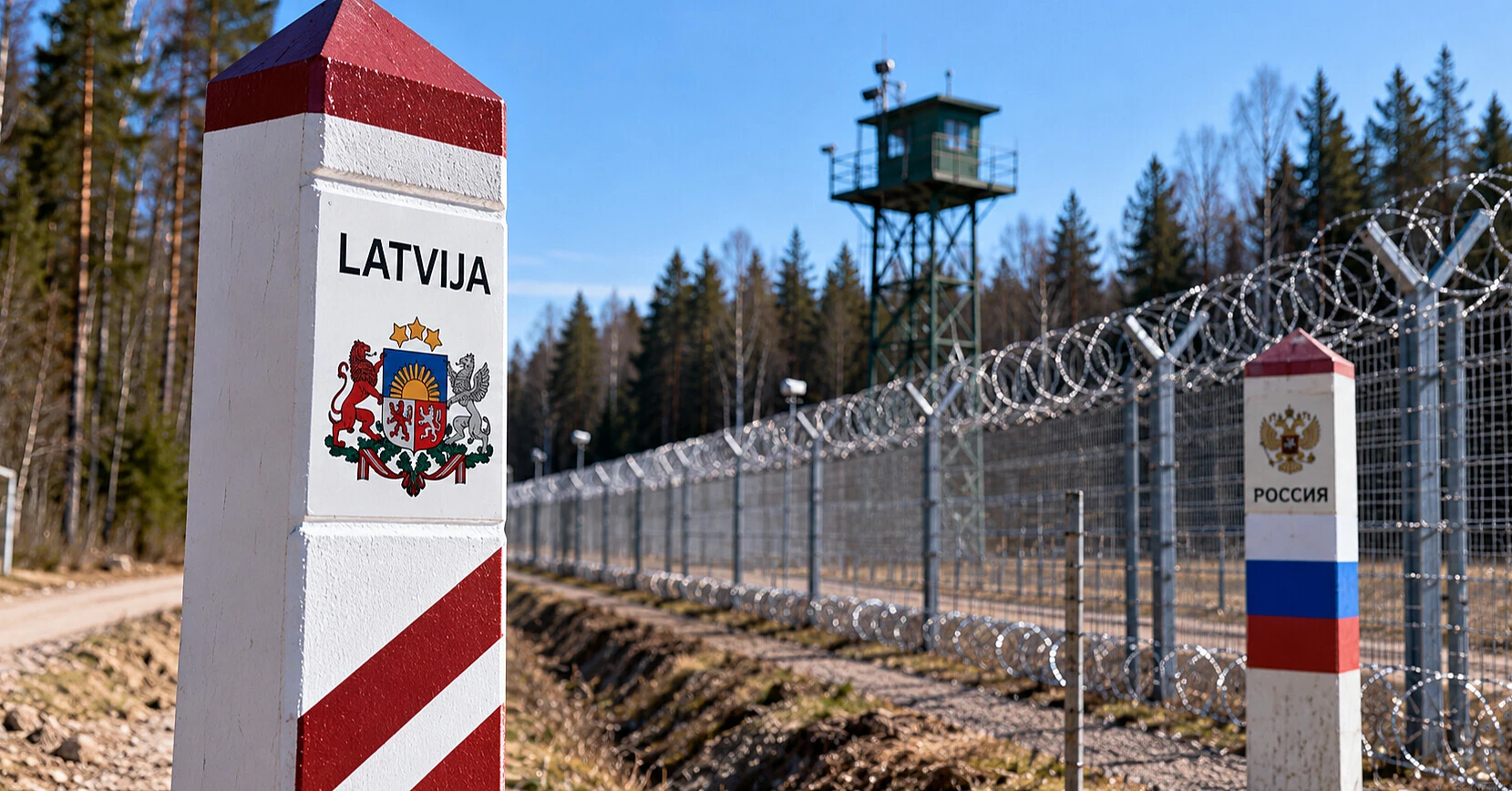
Latvia is completing the creation of an automated system to counter drones along its eastern border with Russia. The new “anti-drone wall” is supposed to detect and intercept UAVs without immediately needing to scramble expensive NATO fighter jets.
This was reported by Business Insider, citing Latvian Defense Minister Raivis Melnis. The deployment of the system is planned to be completed by the end of September.
According to the minister, the main task is to create several layers of airspace defense. Automated detection means and inexpensive interception means should become the first line of defense, while NATO fighter jets are intended to be used only as a last resort.
This approach is largely based on the experience of Ukraine, which actively uses relatively inexpensive interceptor drones against Russian drones. The Latvian side is also cooperating with Ukrainian defense companies in developing its own counter-UAV systems.
For NATO countries, the cost of intercepting drones is becoming increasingly relevant. Using a fighter jet and aviation missiles against a relatively cheap drone can cost many times more than the air target itself. Therefore, European countries are looking for ways to shift the main burden to ground-based systems, electronic warfare means, and interceptor drones.
The Latvian Ministry of Defense previously reported that strengthening the eastern border includes deploying solutions for timely detection of potential air threats and responding to them. The military pays special attention to protection against unmanned aerial vehicles.
Latvia accelerated the development of anti-drone defense after a series of airspace violations. In May, several drones entered the country from Russia, two of which fell on Latvian territory. In June and August, NATO air-policing mission aircraft had already shot down drones over Latvia.
In September, Latvian military forces also reinforced air defense units in the east of the country, and NATO temporarily deployed additional German Eurofighters to Latvia. The country's Ministry of Defense links such measures to risks for the region arising from Russia's war against Ukraine.
The anti-drone system will become part of a larger strengthening of Latvia's eastern border. In parallel, the country is constructing engineering obstacles within the framework of the Baltic Defense Line. Earlier, Kurs wrote that anti-tank “dragon’s teeth” began to be installed on the border with Russia.
