
From October 1, warranty and repair rules change in Austria
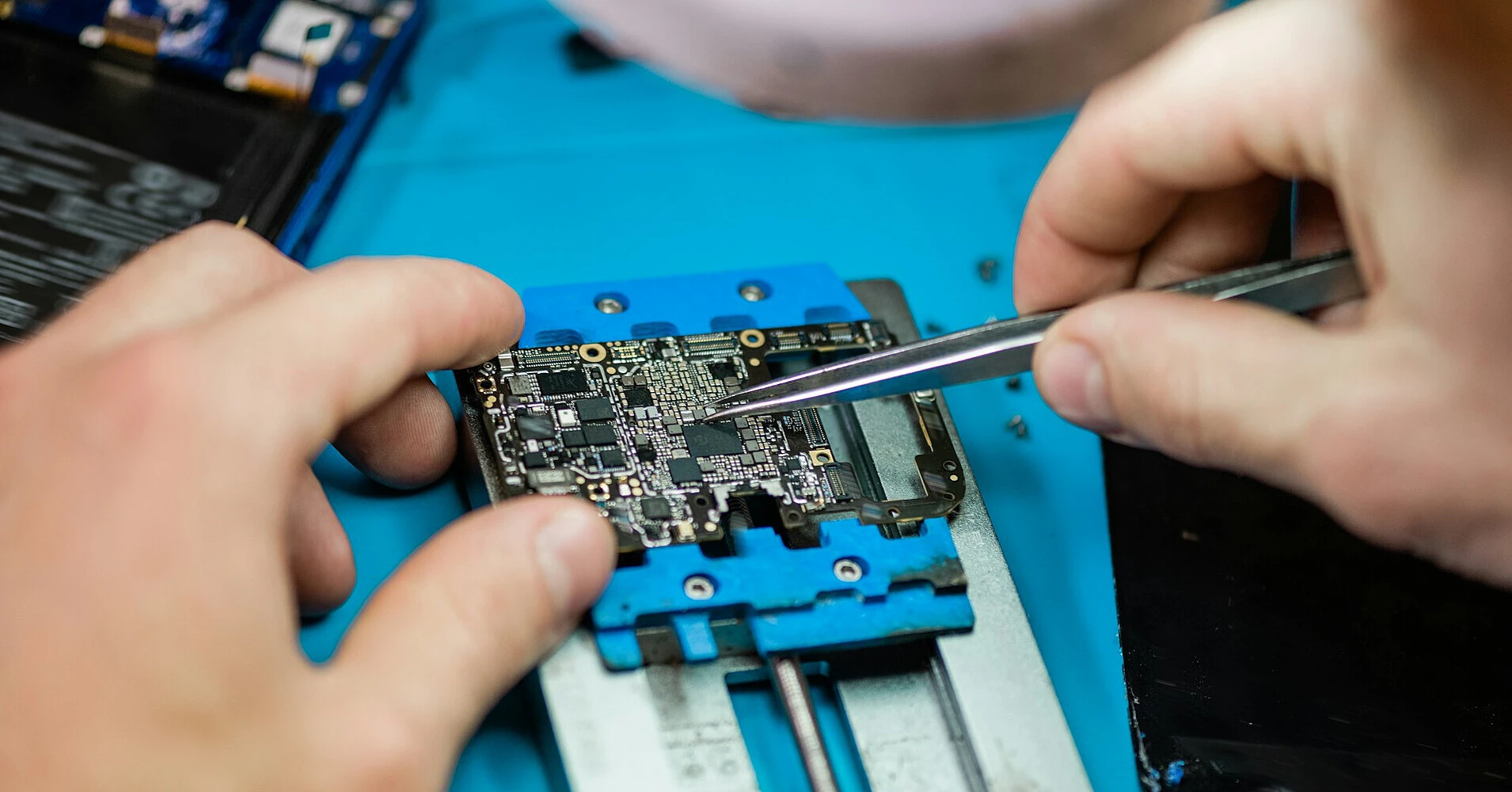
From October 1, 2026, new rules come into force in Austria requiring manufacturers to repair certain categories of equipment even after the legal warranty expires. This concerns the Austrian implementation of the European Right to Repair directive.
The new requirements apply, among others, to washing machines and dryers, dishwashers, refrigerators, televisions and monitors, smartphones, tablets, vacuum cleaners, server equipment, certain heaters, welding machines, and batteries for light electric vehicles, including e-bikes.
If such equipment breaks down after the warranty has expired, the consumer can demand repair from the manufacturer if it is technically possible. The work must be carried out within a reasonable time free of charge or for a reasonable fee.
Manufacturers must also provide spare parts for seven to ten years after the last unit of the respective model was placed on the market. Spare parts and special tools must be sold at prices that do not effectively make repair economically pointless.
It is separately prohibited to use contractual terms, hardware, or software restrictions that unreasonably impede repair. The manufacturer also cannot refuse repair solely because the device was previously repaired by an independent workshop.
On public websites, manufacturers must publish information about repair services and the estimated cost of typical repairs. To compare offers, workshops may voluntarily use a standardized European form with a description of the repair, price, and deadlines.
Warranty rules are also changing. If a product is repaired within the two-year legal warranty, the warranty period for the entire product is extended once by another year - to three years. This rule applies to purchase contracts concluded after September 30, 2026, and extends not only to equipment from the Right to Repair list but to all goods that fall under the relevant warranty rules.
The seller must inform the buyer about the possibility to choose between repair and replacement of the product and explain that choosing repair extends the warranty period.
If the manufacturer is located outside the EU, its obligations are transferred to an authorized representative, importer, or, in their absence, the seller. Thus, the consumer should have a responsible party directly in the European Union.
Based on materials from: Austrian government, WKO
