
Critical low water level of the Dniester has already led to hourly water supply in cities
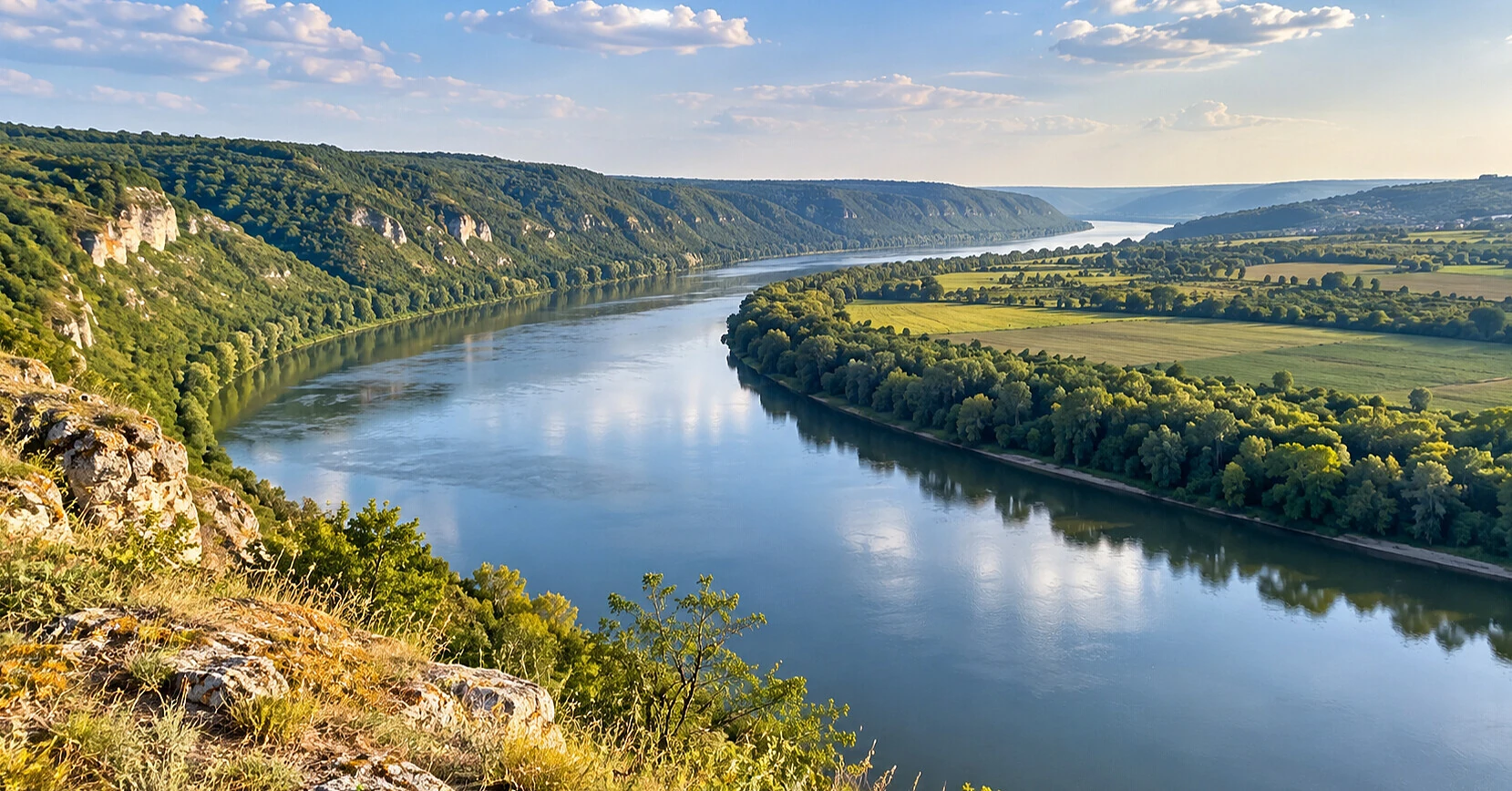
Critically low water level of the Dniester is already affecting water supply in settlements of Ukraine. In Chernivtsi and Novodnistrovsk, water is supplied on a schedule, and in Khotyn, the water intake is operating under difficult conditions and requires constant manual control.
This was reported by the Ministry of Economy, Environment and Agriculture of Ukraine following an extraordinary meeting of the Ukrainian-Moldovan commission on the Dniester.
The situation sharply deteriorated in September. The inflow of water into the Dniester reservoir during the month was only 24-31 cubic meters per second. Moreover, on September 17 and 20, the average daily indicator dropped to 24 cubic meters per second - the minimum level for the entire history of observations at the reservoir.
This corresponds to about 11% of the norm. The reason remains the prolonged drought and lack of precipitation in the upper part of the Dniester basin.
Experts do not expect improvements in the near future. According to the forecast, in October, the inflow of water into the reservoir may be only 20-40 cubic meters per second.
A particularly difficult situation has developed in Khotyn. The local water intake has to be maintained in manual mode, and workers are forced to work directly in the water to ensure its functioning.
Problems are also observed downstream. Ministry of Environment of Moldova reported that the water level in the Novodnistrovsk reservoir dropped to about 111 meters, while the normal level is about 121.5 meters.
Thus, the water reserve in the reservoir continues to decrease. In the first half of September, the volume of water discharged downstream significantly exceeded the actual inflow, which is why Ukraine and Moldova repeatedly reviewed the operating regime of the Dniester hydroelectric complex.
Back in August, the parties agreed to reduce the water discharge from the Dniester integrated hydroelectric complex. At that time, Ministry of Economy explained the decision by the steady deterioration of the hydrological situation and unfavorable forecasts.
Now Ukraine and Moldova have agreed to continue coordinating the operation of the hydroelectric complex and water intakes. The main task is to preserve sufficient water volume for drinking water supply of the population and simultaneously prevent critical deterioration of the Dniester ecosystem.
Moldovan authorities have also strengthened safety measures. Since September 26, a state of emergency in the hydrological sector has been in effect in the country for 60 days, providing for the preparation of reserve sources and alternative water supply options in case of further decline in river levels.
