
Rada Committee supports transition to unified basic social assistance
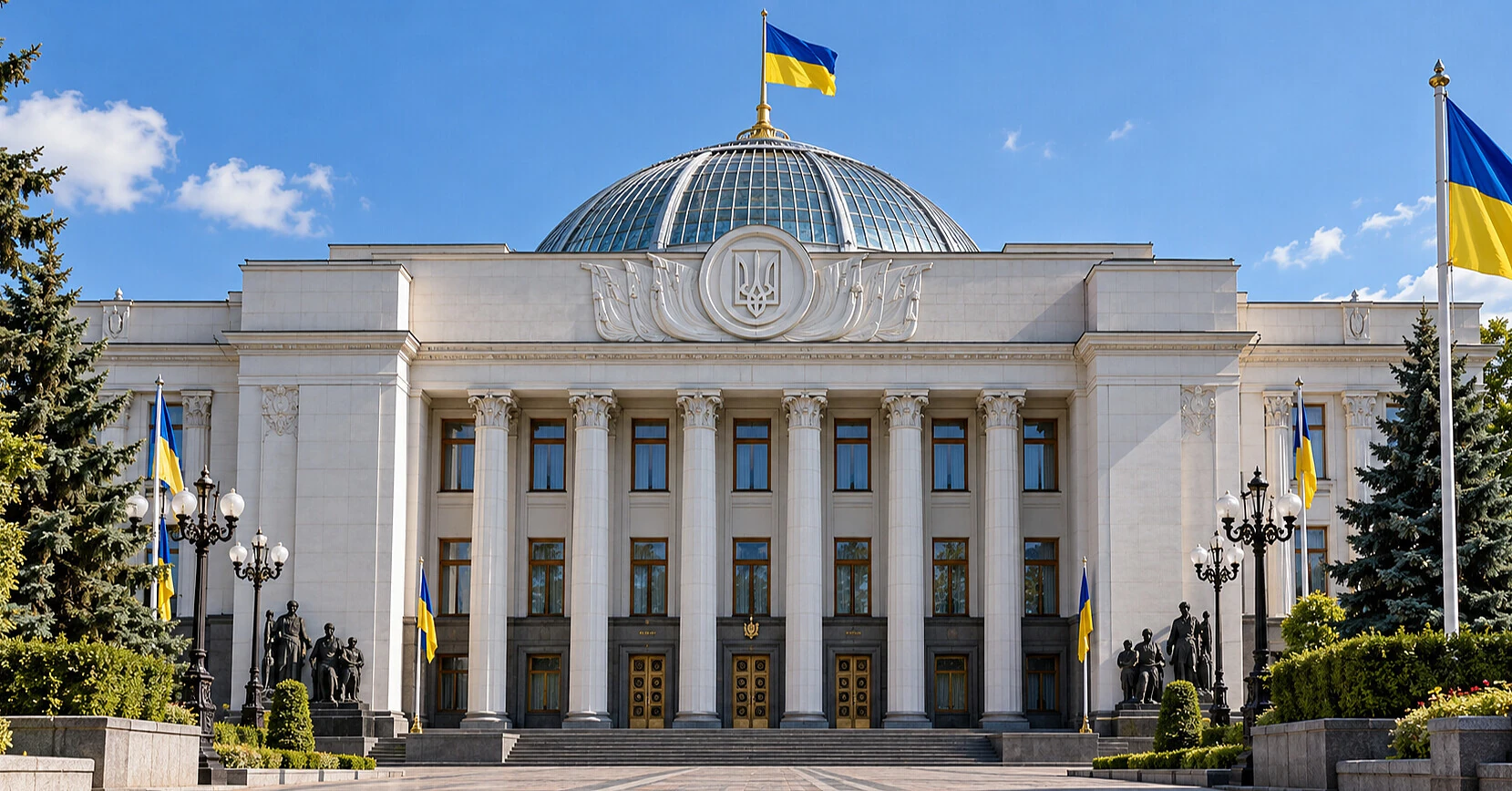
The relevant committee of the Verkhovna Rada supported the bill on Basic Social Assistance and recommended that parliament adopt it in the second reading. The document provides for the transition to a new model of state support for low-income families.
The Ministry of Social Policy, Family and Unity of Ukraine reported this on September 30. This refers to bill No. 15094, which the Verkhovna Rada already supported in the first reading on May 28.
The reform provides for combining several existing types of state assistance into one monthly payment for a family. The new system should include assistance for low-income families, payments to single mothers, assistance for children in large families, temporary assistance for children whose parents evade alimony or cannot support them, as well as social assistance for people not entitled to a pension and persons with disabilities.
The main change concerns the very principle of providing support. Instead of a large number of separate categories, the state intends to focus primarily on the real income of a family, its composition and life circumstances.
The amount of Basic Social Assistance should be calculated individually. It is proposed to determine it as the difference between the basic assistance level set for a family and its average monthly income for the previous quarter. The basic amount will be established annually in the state budget, and it should not be lower than the subsistence minimum for able-bodied persons at the beginning of the corresponding year.
Financial assistance should be combined with social services and employment support. For families in difficult life circumstances, a social manager is expected to provide support, assess needs and form an individual support plan.
The model of Basic Social Assistance is already being tested in Ukraine as part of an experimental project. The Ministry of Social Policy explains that the task of the reform is to move from support based on formal signs of belonging to a certain category to assessing the real needs of a specific family.
After the recommendation of the relevant committee, the bill must pass a vote in the Verkhovna Rada in the second reading. Only after adoption by the parliament as a whole and signing of the law will the new model be able to obtain a permanent legislative basis.
Based on materials from: Ministry of Social Policy, Ministry of Social Policy, Verkhovna Rada
