
Russian exports to Turkey plunged to a minimum since 2022
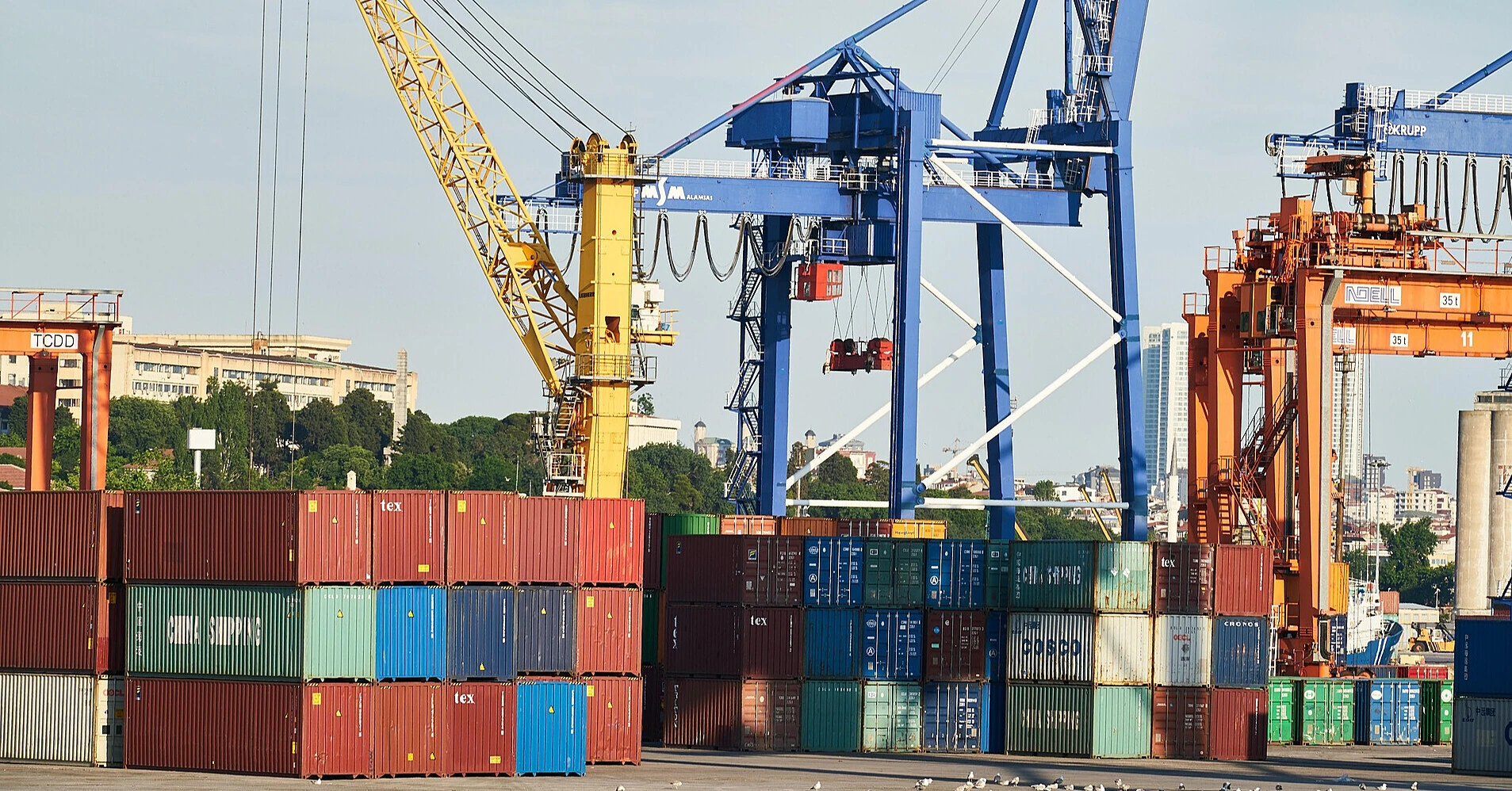
Goods shipments from Russia to Turkey dropped sharply in August amid disruptions at southern Russian ports and worsening shipping conditions in the Black Sea.
According to the Turkish Statistical Institute (TurkStat), Turkey imported $1.935 billion worth of goods from Russia in August. That is about 40% less than in July, when the figure stood at $3.23 billion, and the lowest monthly result since 2022.
For comparison, Russian shipments to Turkey reached $4.42 billion in April and $3.67 billion in June. The decline accelerated in the summer, when key export facilities in southern Russia began shutting down due to attacks and shipping restrictions.
As Russian media write, logistics was one of the main factors behind the August slump. After Ukrainian strikes, terminals in Taman and Novorossiysk suspended operations, and some cargoes had to be rerouted via longer and more expensive routes through the Caucasus or northern Russian ports.
In late July, for example, the EFKO group terminal in Taman came to a halt after a drone attack. The company confirmed damage to the site and began working on backup export routes.
In mid-August, three major grain terminals in Novorossiysk – NZT, NKHP and KSK – suspended operations after attacks. Their combined capacity exceeds 25 million tonnes of grain per year. Russian business outlets wrote at the time that seaborne grain exports via Novorossiysk had effectively stopped.
Against this backdrop, Russia did not ship any grain to Turkey in August, although Turkey had been the largest buyer of Russian grain in the previous agricultural season. In September, Turkey’s share of Russian grain exports was only about 1%.
The problems were not limited to agricultural exports. In August, shipments of Russian energy products, coal, ferrous metals and copper also declined. The fall is difficult to explain by a deterioration in global market conditions: oil, gas and fuel prices remained high, and grains were trading near multi-year highs.
Earlier it was reported that strikes on Novorossiysk had already caused a sharp reduction in seaborne exports of Russian wheat. According to analysts, alternative routes via the Baltic and other directions cannot quickly compensate for the lost Black Sea capacity.
Amid the worsening situation in the Black Sea, Turkey has also stepped up talks with Ukraine and Russia on shipping safety. Ankara is trying to reduce risks to trade routes after a series of attacks on port infrastructure and vessels.
