
Egypt, the largest buyer of Ukrainian wheat, may cut imports by 23%
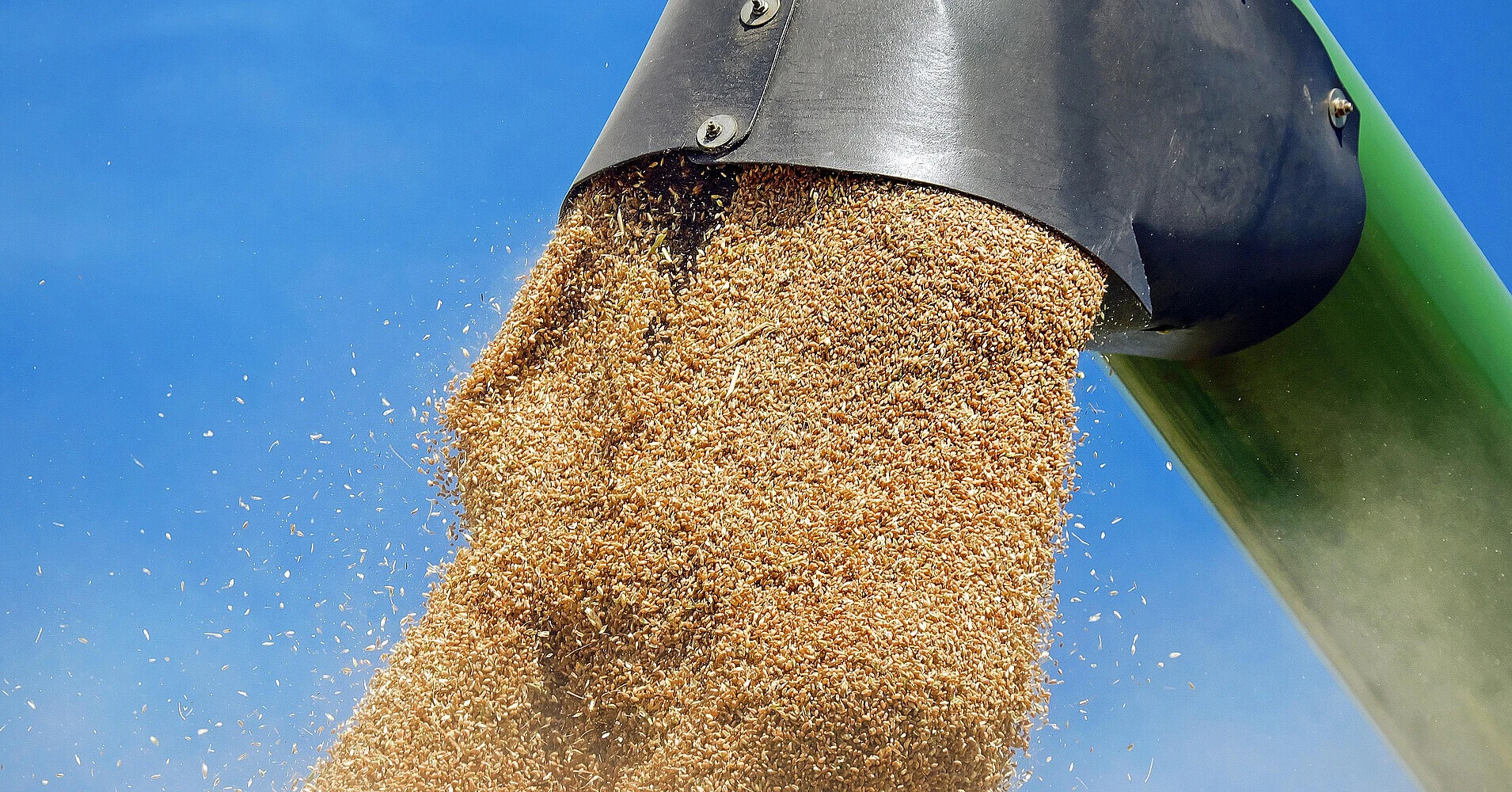
Egypt, which became the largest buyer of Ukrainian wheat last season, may reduce total grain imports by almost a quarter in the 2026/27 marketing year — to 12 million tonnes.
This forecast is contained in the fresh Grain and Feed Update report from the Foreign Agricultural Service of the U.S. Department of Agriculture (USDA FAS) in Cairo, published on September 28. The report data is cited by World Grain.
According to American analysts, Egypt's wheat imports in the 2026/27 season may decrease by about 23% — to 12 million tonnes. If the forecast comes true, the purchase volume will be the lowest since the 2022/23 marketing year.
The main reason for the import reduction is the growth of domestic production. Egypt's wheat harvest is forecast at a record level of about 10 million tonnes. The harvested area should increase from 1.33 million to 1.5 million hectares.
Production growth is supported by higher government procurement prices, wider use of certified seeds, and the spread of high-yielding and early-maturing varieties. In addition, the country maintains significant carryover grain stocks.
At the same time, Egypt will continue to need large volumes of imported wheat. Domestic consumption in the 2026/27 season is estimated at about 20.7 million tonnes. The country may also increase wheat flour exports by about 17% — to 1.4 million tonnes, primarily through supplies to African markets.
For Ukraine, the Egyptian market is of particular importance. According to the results of the 2025/26 marketing year, Egypt was the largest buyer of Ukrainian wheat: the country imported about 3.86 million tonnes, or 27.6% of all Ukrainian exports of this crop. This was earlier reported with reference to data from the Ukrainian Grain Association.
The reduction in Egypt's total import demand intensifies competition among suppliers in one of the key markets of the Black Sea region. At the same time, USDA noted that Egyptian importers traditionally actively purchase Ukrainian and Russian wheat due to competitive prices and relatively short logistics.
Based on materials: World Grain, UkrAgroConsult, Latifundist
