
Media: Russia loses grain exports due to problems in the Black Sea
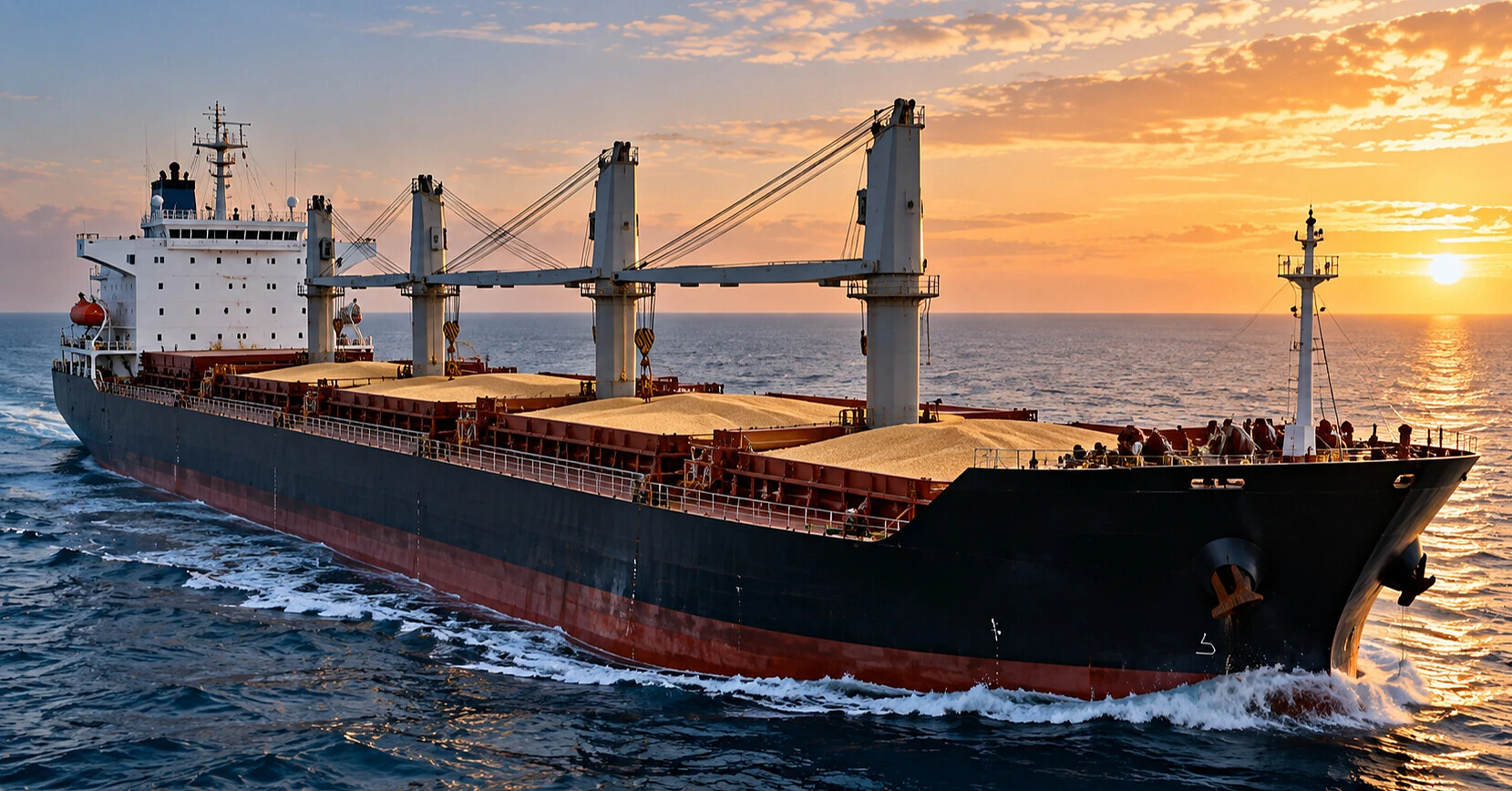
Russia is increasing grain shipments via the Baltic and Caspian Seas after strikes on Black Sea and Azov Sea ports, but alternative routes are not yet able to compensate for the lost volumes. Only a small portion of the cargo that previously went through southern ports is passing through key bypass routes.
Bloomberg reports.
Problems with Russian grain exports sharply intensified in the summer after a series of Ukrainian strikes on port infrastructure and ships. The Black Sea direction is critically important for the industry: in the 2025/26 season, Russia exported about 46.3 million tons of grain through the Black Sea and Azov Sea ports — approximately 90% of all maritime exports.
Moscow tried to redistribute supplies primarily to the Baltic. The main alternatives included the Russian ports of Ust-Luga and Vysotsk, as well as routes through the Caspian Sea, the Far East, and overland corridors.
However, the capacity of these directions is significantly lower. According to industry analysts, only about 1 million tons of grain were shipped through Russian Baltic ports last season. Even with terminal expansion, they cannot accept volumes comparable to Novorossiysk and other southern ports.
UkrAgroConsult estimates the total capacity of Russian grain terminals in the Baltic at approximately 8 million tons per year. Against this background, the forecast for Russian wheat exports in the current season is already being revised downward — from the initial 46.5–47.5 million tons to about 41–43 million tons.
Rerouting cargo also increases delivery costs. Grain from Russia's main agricultural regions has to be transported over much greater distances by rail, which reduces the competitiveness of supplies.
Export problems are already affecting the domestic market. In Russia's southern regions, grain stocks are accumulating because farmers cannot ship out the harvest at the previous pace. In Rostov Oblast and Krasnodar Krai, authorities have introduced emergency regimes due to difficulties with selling agricultural products.
At the same time, disruptions in the Black Sea affect not only Russian exports. Russia and Ukraine are among the world's largest wheat suppliers, and restrictions on the ports of both countries increase logistics costs and force importers to seek grain in other markets.
Based on materials from: Bloomberg, World Grain, UkrAgroConsult
