
Russian Baltic ports hit by abnormal ship queue
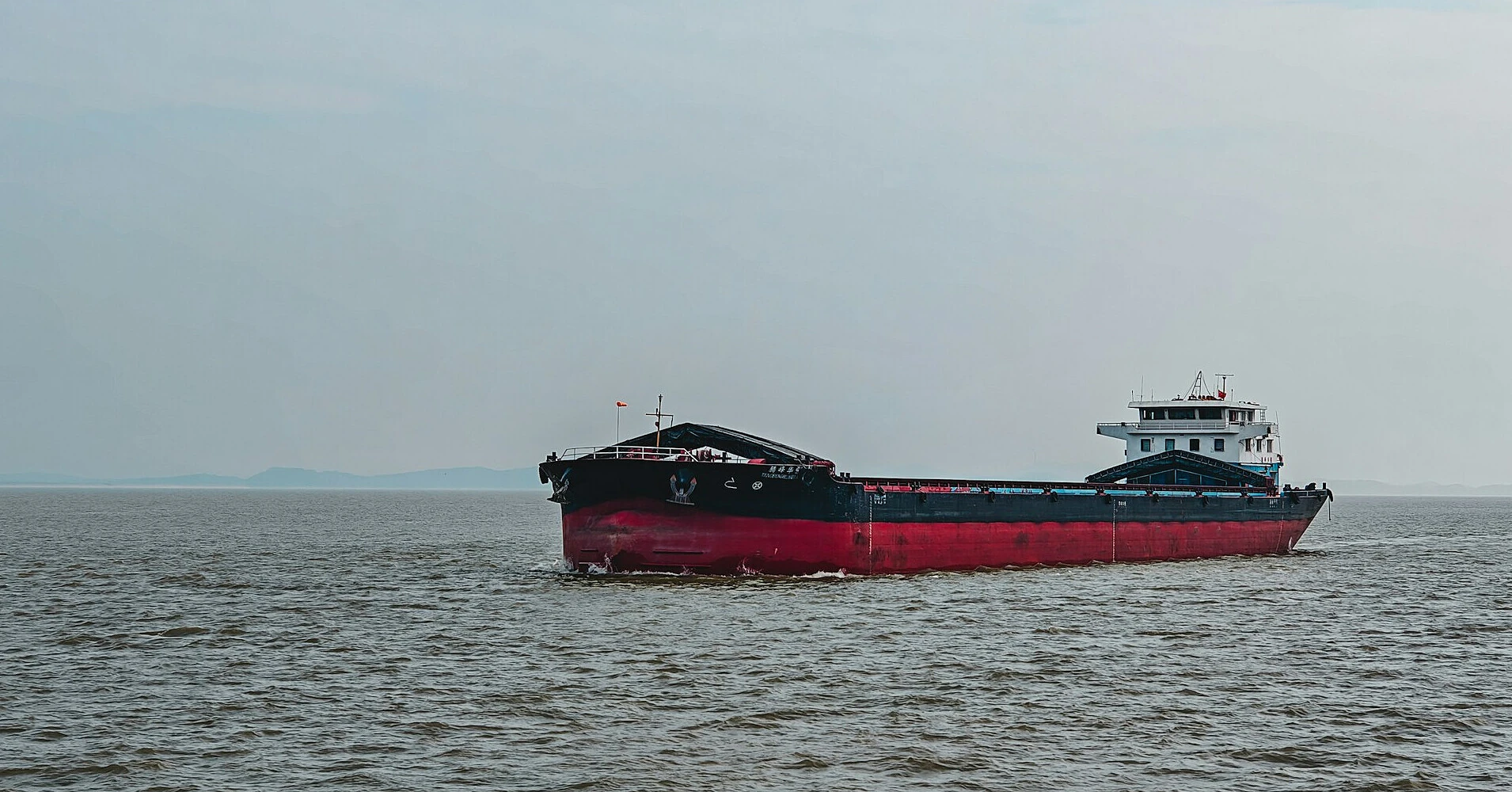
In the Gulf of Finland, the number of tankers and cargo ships waiting for permission to enter Russian ports has sharply increased. At the end of September, there were about 150 such vessels in the region, and one of the queues stretched for more than 50 kilometers.
The abnormal accumulation of vessels was noted by OSINT researcher Russian Forces Spotter, reports The Insider. According to estimates on September 30, approximately 65 tankers and 85 other cargo ships were waiting.
The largest number of ships concentrated on the routes to Ust-Luga - one of the main Russian export ports on the Baltic. Separate groups of vessels also waited for entry to Primorsk and St. Petersburg.
The Maritime Executive, citing an analysis by Finnish Helsingin Sanomat, also reports about 150 vessels heading to Russian ports. The Finnish Gulf Border Guard confirmed to the publication that the number of ships waiting to enter RF ports significantly exceeds the usual level.
One of the largest queues stretched more than 30 nautical miles across the Gulf of Finland towards the Baltic Sea. At the end of September, more than 40 vessels were simultaneously in it.
The accumulation began to noticeably increase during September. According to OSINT analysts, during the month in certain areas, 30-40 tankers and cargo ships could wait daily, while in the summer their number was usually much smaller.
Analysts believe one of the reasons for the increased load on the Baltic routes is the problems of Russian export through the Black Sea. After the intensification of Ukrainian attacks on Russia's port and transport infrastructure, Moscow is forced to seek alternative routes for part of the cargo.
Analysts from the Polish Center for Eastern Studies (OSW) previously noted that the most obvious alternative for Russian oil is the Baltic Sea, where large export terminals are located.
At the same time, the capabilities of this direction are limited. According to OSW estimates, the Baltic ports and the pipeline system are already operating under high load, so Russia cannot quickly redirect all volumes that were previously exported through the Black Sea.
In August, Russian oil supplies through Black Sea ports decreased to about 310 thousand barrels per day - almost 600 thousand barrels less than in June. Exports of grain and other cargo through the Azov-Black Sea basin also significantly decreased.
Thus, the current accumulation of vessels in the Gulf of Finland may be one of the manifestations of the increased load on alternative Russian export routes. At the same time, queues to ports may depend on other factors - terminal loading schedules, weather conditions and port procedures.
Based on materials from: The Insider, The Maritime Executive, OSW
