
France has begun training Ukrainian pilots for Rafale fighters
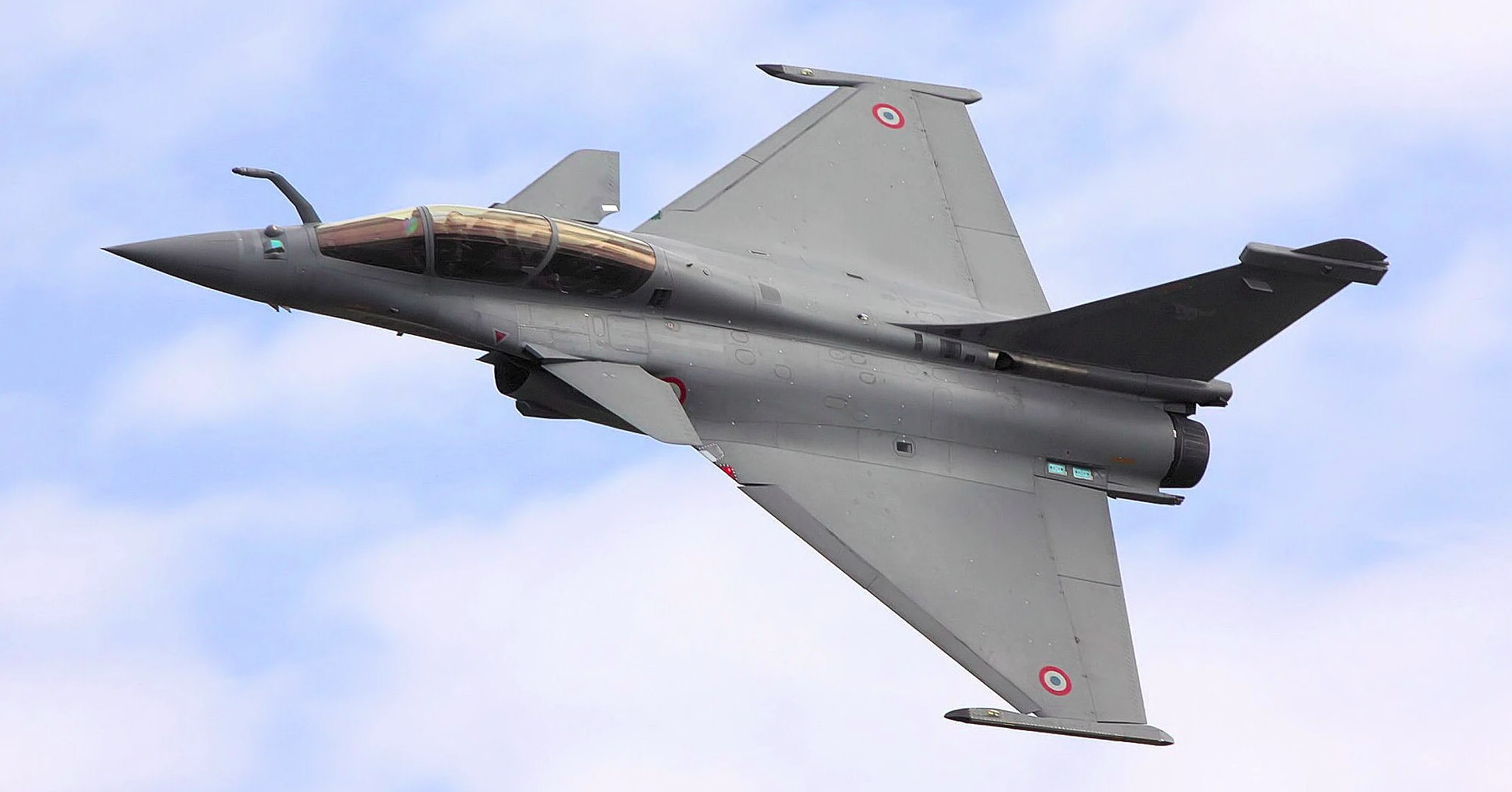
France has begun training Ukrainian pilots to operate Rafale fighters, which should later enter service with Ukraine. Paris and Kyiv are simultaneously continuing to discuss the transfer of the aircraft, with the French side emphasizing that Ukrainian crews will fly combat missions on them.
This was announced by French Minister Delegate for European Affairs Benjamin Haddad in an interview with France Info. His statement on October 2 is also reported in detail by Le Parisien.
According to Haddad, the French and Ukrainian sides are currently discussing sending Rafales to Ukraine. At the same time, there is no question of using French pilots to carry out combat missions.
"We are currently discussing with the Ukrainians the dispatch of Rafales, which will be flown not by French but by Ukrainian pilots in Ukrainian skies. That is why we have also begun work on training these pilots," Haddad said.
A transcript of the interview was also published by the French Ministry of Foreign Affairs. The minister's wording suggests that Paris has already launched the preparatory process needed for the future transition of Ukrainian pilots to Rafales. However, the number of pilots and the specific training schedule have not yet been publicly disclosed.
The training of crews is part of a larger program to re-equip Ukraine's combat aviation. Back in July, France and Ukraine formalised plans to acquire the first batch of 16 Rafales together with armament.
According to a joint declaration by the presidents of France and Ukraine, these 16 aircraft are the first stage of a program envisaging the eventual acquisition of up to 100 Rafales. The parties recorded the intention to receive up to 100 French fighters as early as November 2025.
Funding for the first batch is planned to be raised within the defence-related part of the European Ukraine Support Loan mechanism in 2026 and 2027.
A key stage will be the training not only of pilots but also of Ukrainian technical personnel. According to the July agreements, the first four Rafales are to be handed over to the Armed Forces of Ukraine after the relevant pilot and mechanic training cycle is completed. France did not rule out starting this training on its territory as early as 2026.
Le Parisien notes that the first French fighters under the program are expected to appear in Ukrainian skies roughly in 2028–2029. Thus, crew training is starting well in advance, before the direct handover of the main batch of aircraft.
Along with the Rafales, Ukraine is to receive French aviation weapons. The joint declaration lists AASM guided bombs, MICA and METEOR air-to-air missiles, and laser-guided missiles for countering drones. The number of munitions for each aircraft is to be determined during subsequent technical consultations.
In addition, France has allowed the establishment of licensed production of AASM aerial bombs and SCALP cruise missiles in Ukraine. According to the agreements, such production is to be launched as soon as possible and by the end of 2026.
The Rafale will become another Western combat aircraft type in Ukrainian service. Ukraine has previously received American F-16s and French Mirage 2000s, which also required separate training of flight and technical personnel. The transition to the Rafale entails a new training cycle, since the aircraft differs in its onboard systems, armament, and operating procedures.
At the same time, Paris is expanding its assistance to Ukraine in the field of air and missile defence. Haddad recalled deliveries of SAMP/T family systems and Aster missiles. Under the July agreements, Ukraine also intends to order four SAMP/T NG systems, while France and Italy agreed to accelerate deliveries of Aster 30 missiles.
Thus, Haddad's statement marks the transition of the Rafale project from political agreements to the practical preparation of future Ukrainian crews. At the same time, the direct timing of the aircraft handover will depend both on the training of pilots and mechanics and on the implementation of the fighter procurement and production program.
